
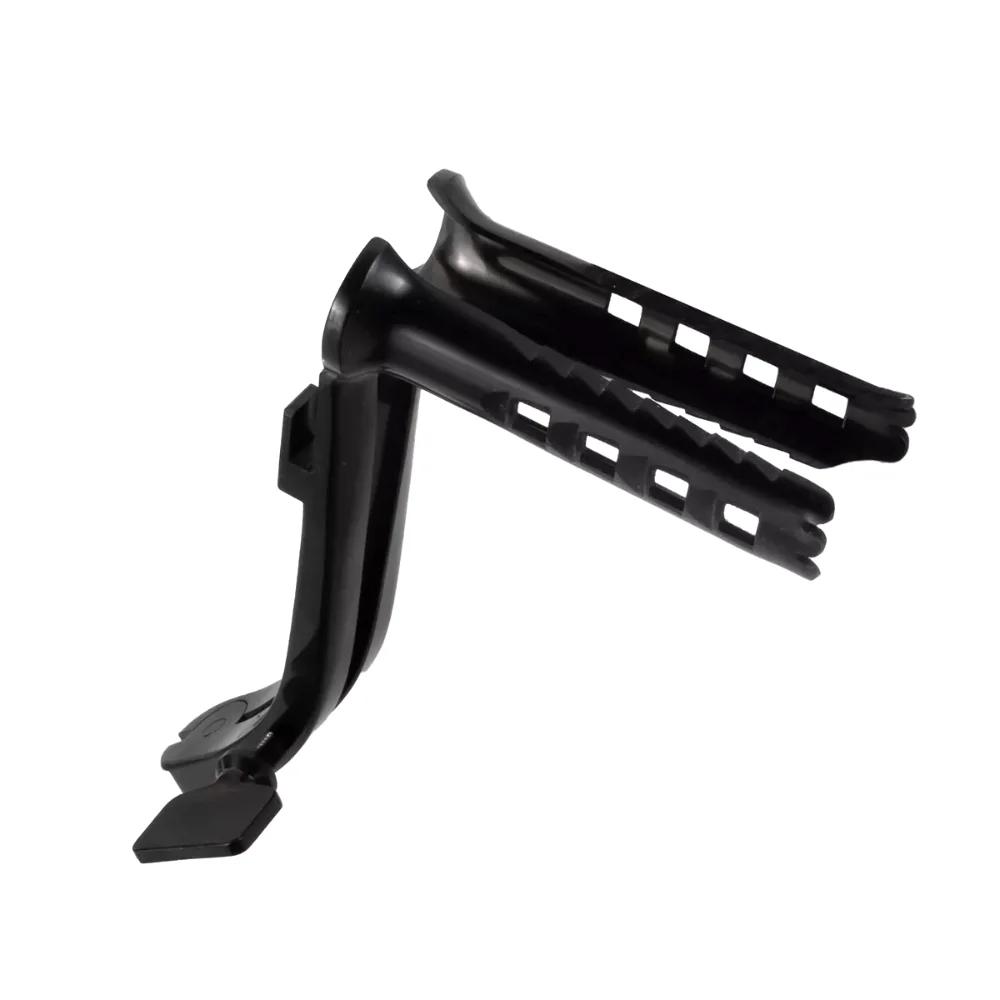
Caspar Lumbar Speculum 85mm Blades
Direct Manufacturer Pricing • Tax Exclusive
The Caspar Lumbar Speculum with 85mm Blades is a specialized spinal surgery instrument designed to assist with surgical exposure during appropriate lumbar procedures. Its specified 85mm blade measurement helps surgical teams identify the required instrument size when preparing for compatible spine surgery.
All import duties, tariffs & taxes are 100% pre-paid for USA, UK, Canada, EUROPE & Australia (AUS). Zero surprise customs bills at delivery.
Hospital & Volume Procurement Pricing
The Caspar Lumbar Speculum with 85mm Blades is a specialized surgical instrument intended to assist with tissue retraction and operative field exposure during lumbar spine procedures. Lumbar specula are used in appropriate surgical approaches to help maintain access to the targeted anatomical area by positioning the blades to retract surrounding soft tissue. The instrument's suitability depends on its specific design, the patient's anatomy, and the requirements of the planned procedure.
During lumbar spine surgery, maintaining adequate exposure helps the surgical team visualize and access the intended operative site. A lumbar speculum can support this process by helping hold surrounding tissue away from the surgical field. The specified 85mm blade measurement provides a useful reference for comparing this instrument with other lumbar specula and selecting a configuration suited to the intended surgical approach.
The Caspar name is associated with specialized spinal instrumentation. However, the precise design and operating mechanism of this particular lumbar speculum should be verified through the manufacturer's specifications. Blade arrangement, curvature, width, adjustment features, and compatibility with other instruments may vary between models.
The 85mm blade specification can help healthcare professionals and purchasing teams distinguish this model from alternatives with different blade measurements. When selecting a lumbar speculum, it is important to consider the required depth of exposure, the surgical approach, the available working space, and the instrument's dimensions. The measurement alone does not establish suitability for every lumbar procedure, so the final choice should be based on the surgeon's requirements and the manufacturer's guidance.
For hospitals, spine surgery departments, and medical instrument suppliers, clearly identified blade measurements support surgical tray organization and product comparison. Buyers should confirm whether the stated 85mm measurement refers to blade length or another manufacturer-defined dimension. The overall instrument length, blade width, material, and adjustment mechanism are not specified in the supplied product title and should be verified before ordering.
Instrument inspection and maintenance are important for reliable function. Before use, examine the speculum for visible damage, blade deformation, worn components, and correct operation of any adjustment or locking mechanism. Instruments that fail inspection should be removed from service according to facility policy.
If the instrument is designated as reusable, it must be cleaned, inspected, and sterilized in accordance with the manufacturer's validated instructions and the healthcare facility's approved protocols. Proper handling and storage help maintain instrument condition throughout its intended service life.
The Caspar Lumbar Speculum with 85mm Blades is an option for facilities sourcing specialized lumbar spine instruments. Confirming its exact dimensions, construction, and compatibility with the intended procedure helps ensure appropriate selection for the clinical environment.
Key Features
Specialized lumbar speculum for spinal surgery
Caspar-pattern surgical instrument
Specified blade measurement of 85mm
Designed to assist with tissue retraction
Supports operative field exposure during appropriate lumbar procedures
Provides a defined blade measurement for instrument selection
Suitable for consideration in professional spine surgery inventories
Blade configuration and adjustment mechanism should be verified
Material and overall dimensions should be confirmed with the manufacturer
Cleaning and sterilization must follow manufacturer instructions
Product Specifications
Specification | Details |
|---|---|
Product Name | Caspar Lumbar Speculum |
Instrument Type | Lumbar Speculum / Retraction Instrument |
Surgical Specialty | Spine Surgery |
Primary Application | Lumbar Surgical Exposure |
Blade Measurement | 85mm |
Blade Configuration | Confirm with manufacturer |
Overall Length | Not specified |
Blade Width | Not specified |
Material | Confirm with manufacturer |
Adjustment Mechanism | Confirm with manufacturer |
Reusable Status | Confirm with manufacturer |
Sterilization Compatibility | Follow manufacturer instructions |
Frequently Asked Questions
1. What is a Caspar Lumbar Speculum used for?
It is intended to assist with surgical exposure during appropriate lumbar spine procedures by helping retract surrounding tissue from the operative field.
2. What is the blade measurement of this model?
The product title specifies 85mm blades. Confirm with the manufacturer what dimension this measurement represents.
3. How does an 85mm blade differ from a 75mm blade?
The stated measurement differs by 10mm. The practical difference depends on the actual blade design and the manufacturer's dimensional specifications.
4. What material is the Caspar Lumbar Speculum made from?
The material is not specified in the supplied product title. Check the manufacturer's documentation for verified details.
5. Does this speculum have adjustable blades?
The adjustment mechanism is not specified. Confirm the instrument's design and operating features with the manufacturer.
6. Can the Caspar Lumbar Speculum be reused?
Reusable status must be confirmed with the manufacturer. If intended for reuse, follow the validated cleaning, inspection, and sterilization instructions.
7. How should I select the correct lumbar speculum size?
Consider the surgical approach, required exposure, blade dimensions, and instrument compatibility. The operating team should confirm the appropriate configuration for the intended procedure.