
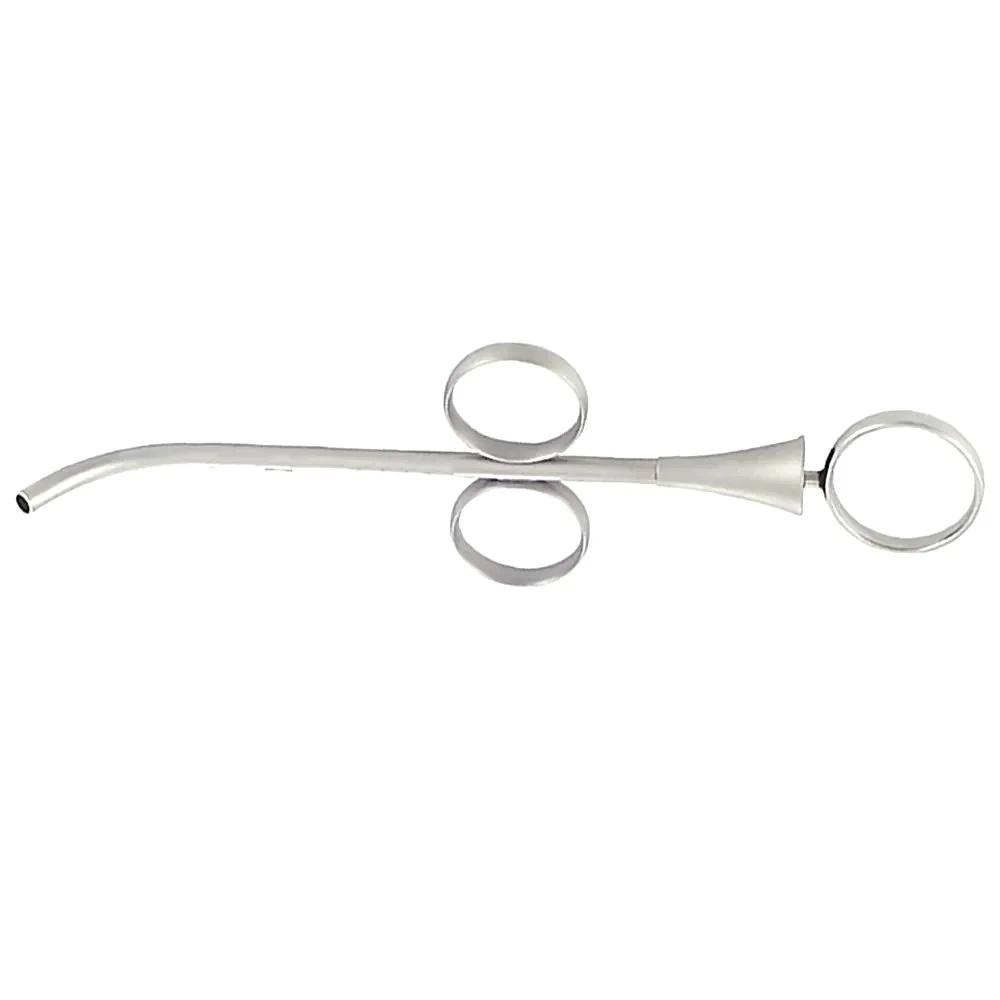
Dental Instruments Bone Carrier SS 60M – 2.5 mm Stainless Steel
Direct Manufacturer Pricing • Tax Exclusive
All import duties, tariffs & taxes are 100% pre-paid for USA, UK, Canada, EUROPE & Australia (AUS). Zero surprise customs bills at delivery.
Hospital & Volume Procurement Pricing
The Dental Bone Carrier is a precision dental surgical instrument designed for controlled handling and placement of bone material during compatible oral and dental surgical procedures. Its 2.5 mm configuration provides a defined working size for applications requiring a compact bone-handling instrument.
Constructed from stainless steel, the instrument is intended for professional dental environments where durability, reliable handling, and appropriate instrument maintenance are important considerations.
Design and Configuration
The instrument features a compact bone-carrier configuration with a 2.5 mm working size. Its design is intended to facilitate controlled handling of bone material while maintaining a practical form for dental surgical applications.
The stainless steel construction provides a durable instrument platform suitable for routine handling, cleaning, inspection, and applicable sterilization processes.
Dental Surgical Applications
The bone carrier is designed for compatible applications involving the controlled handling or transfer of bone material in dental and oral surgery.
Potential applications include:
- Dental bone-handling procedures
- Oral surgical applications
- Bone grafting-related instrument workflows
- Maxillofacial surgical applications where an appropriately sized bone carrier is required
Specific use depends on the surgical procedure, clinician preference, and applicable clinical protocols.
Handling and Use Considerations
The instrument should be handled carefully to preserve the working surface and overall alignment. Before use, inspect the working end for visible damage, deformation, contamination, or other conditions that could affect its intended function.
Use should follow applicable professional dental protocols and the manufacturer's instructions where provided.
Cleaning and Instrument Care
After use, the bone carrier should be cleaned according to the applicable validated instrument-care procedure. Particular attention should be given to the working end and any areas where material may remain after use.
Avoid methods that could scratch, deform, or otherwise damage the stainless steel working surfaces.
Sterilization and Inspection
Where reusable processing is applicable, sterilization should follow the manufacturer's validated instructions and the dental facility's established sterilization protocol.
Before each use, inspect the instrument for corrosion, surface damage, deformation, or other abnormalities. Proper cleaning, inspection, and maintenance can help preserve the instrument's intended working condition.
Technical Specifications
| Specification | Details |
|---|---|
| Instrument Type | Dental Bone Carrier |
| Working Size | 2.5 mm |
| Surgical Specialty | Dentistry / Oral Surgery |
| Application | Bone Handling |
| Material | Stainless Steel |
| Product Type | Simple Product |
| Overall Length | Not specified |
| Working Length | Not specified |
| Sterilization | Follow applicable validated protocol |
Frequently Asked Questions
1. What is this instrument used for?
It is designed for controlled handling and transfer of bone material during compatible dental and oral surgical procedures.
2. What is the working size?
The supplied specification is 2.5 mm.
3. What material is the bone carrier made from?
It is made from stainless steel.
4. Is this a dental instrument?
Yes. It is designed as a dental surgical bone-handling instrument.
5. Can it be used in oral surgery?
It is intended for compatible oral surgical applications where a bone carrier of this configuration is appropriate.
6. Is the instrument reusable?
Reusability has not been explicitly specified. Processing and reuse should follow the manufacturer's validated instructions.
7. What is the overall length?
The overall length has not been specified in the supplied product information.
8. How should it be sterilized?
Sterilization should follow the manufacturer's validated instructions and the applicable dental facility protocol.