
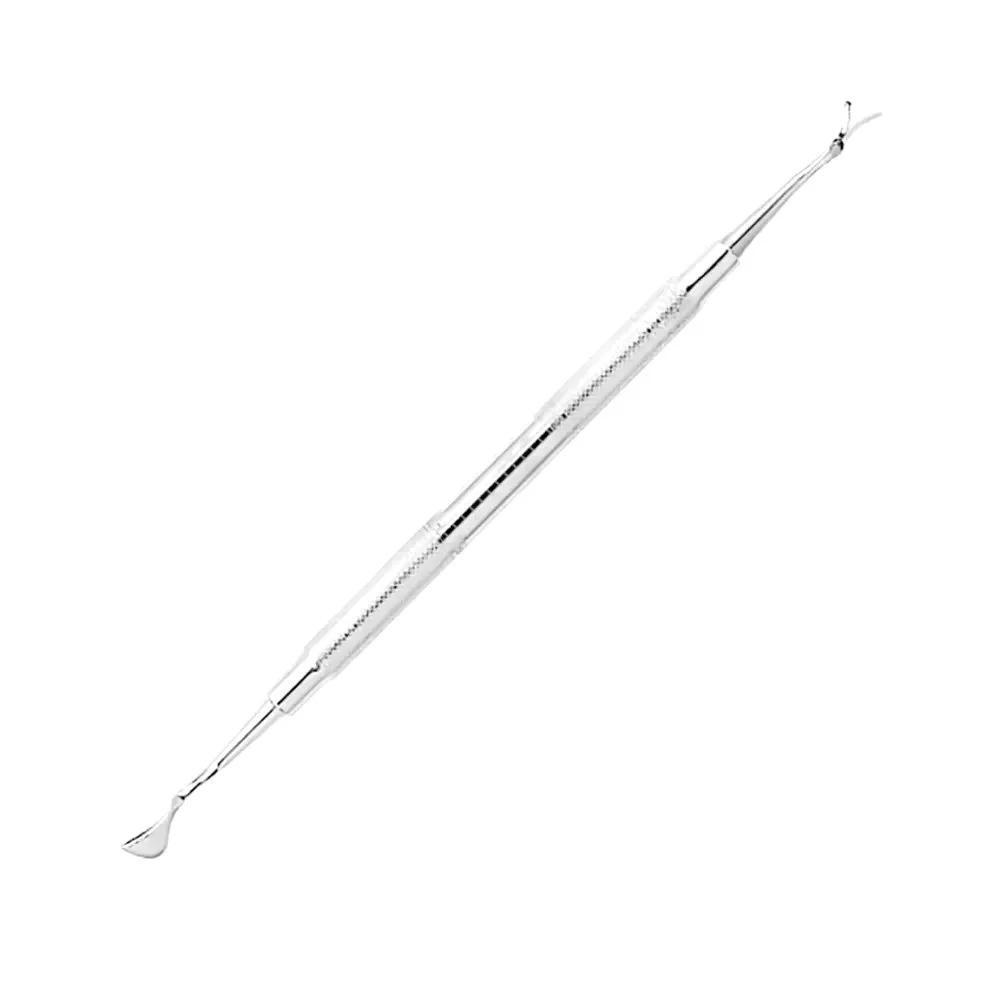
Dental Instruments Periodontal Knife – Kirkland Handle #4
Direct Manufacturer Pricing • Tax Exclusive
All import duties, tariffs & taxes are 100% pre-paid for USA, UK, Canada, EUROPE & Australia (AUS). Zero surprise customs bills at delivery.
Hospital & Volume Procurement Pricing
The Dental Instruments Periodontal Knife – Kirkland Handle #4 is a specialized periodontal surgical instrument designed for controlled incision and management of gingival tissue during periodontal and oral surgical procedures. The Kirkland-style design is commonly associated with periodontal procedures where precise soft tissue handling and access are required.
Periodontal knives are used by dental professionals for selected procedures involving gingival tissue, including gingivectomy and other periodontal surgical techniques. The curved working profile can provide access to the gingival area while allowing the clinician to maintain controlled positioning of the cutting edge according to the surgical technique.
The #4 handle configuration provides a practical grip for intraoral handling and instrument control. A suitable handle design is particularly important during periodontal procedures, where precise positioning and controlled movement are required within a relatively confined operative field.
The Kirkland periodontal knife can be incorporated into periodontal surgery sets, gingivectomy instrument kits, dental surgical trays, and general periodontal instrument collections. It may be used alongside periodontal probes, scalers, curettes, tissue forceps, scissors, and other instruments selected for the specific clinical procedure.
This instrument is intended for use by appropriately trained dental professionals. The exact technique, cutting direction, and application should be determined by the clinician according to the patient's anatomy, treatment plan, and established periodontal surgical protocol.
For instruments intended for repeated use, proper cleaning and reprocessing are essential. Any biological material should be removed promptly using an appropriate cleaning process. Cleaning, disinfection, inspection, and sterilization should be performed according to the manufacturer's validated instructions and the healthcare facility's established protocol.
The sharp working edge should be inspected before each use for damage, deformation, or excessive wear. Proper storage and handling can help protect the cutting edge and maintain instrument performance.
The Dental Instruments Periodontal Knife – Kirkland Handle #4 provides a specialized solution for controlled gingival tissue management, making it a useful addition to professional periodontal surgery and oral surgical instrument sets.
Key Features
- Kirkland-style periodontal knife
- #4 handle configuration
- Designed for gingival tissue incision and management
- Suitable for periodontal surgical procedures
- Useful for selected gingivectomy techniques
- Curved working profile for intraoral access
- Designed for controlled tissue handling
- Suitable for periodontal surgery instrument sets
- Practical handle for precise clinical manipulation
- Useful for professional dental surgical applications
- Sharp working edge requires careful handling
- Reprocessing should follow validated manufacturer instructions
Product Specifications
| Specification | Details |
|---|---|
| Product Name | Periodontal Knife |
| Instrument Type | Kirkland Periodontal Knife |
| Handle | #4 |
| Design | Kirkland Style |
| Application | Periodontal & Oral Surgery |
| Common Uses | Gingival Tissue Incision, Gingivectomy, Periodontal Surgery |
| Working Profile | Curved Periodontal Cutting End |
| Handle Type | #4 |
| Set Compatibility | Periodontal & Dental Surgical Sets |
| Reprocessing | Follow Manufacturer's Validated Instructions |
| Intended Users | Qualified Dental Professionals |
FAQs
What is a Kirkland periodontal knife used for?
A Kirkland periodontal knife is used for controlled gingival tissue incision and management during selected periodontal surgical procedures, including gingivectomy.
What is the handle size of this periodontal knife?
This model features a #4 handle configuration.
What is the Kirkland design?
The Kirkland design refers to a periodontal knife style commonly used for gingival tissue management and periodontal surgical procedures.
Can this knife be used for gingivectomy?
Yes. Kirkland periodontal knives are commonly selected for appropriate gingivectomy techniques by qualified dental professionals.
Is this periodontal knife suitable for periodontal surgery?
Yes. It is designed for controlled gingival tissue management in periodontal and oral surgical applications.
Is the Kirkland periodontal knife reusable?
Reusability depends on the manufacturer's intended-use specifications. If designated as reusable, it should be cleaned, disinfected, inspected, and sterilized according to validated instructions.
How should a periodontal knife be sterilized?
Follow the manufacturer's validated cleaning and sterilization instructions and the healthcare facility's established reprocessing protocol. Specific sterilization parameters should not be assumed without manufacturer guidance.
How should the sharp edge be maintained?
The cutting edge should be protected from contact with other instruments during storage and handling. Inspect it before use and follow the manufacturer's maintenance recommendations.