
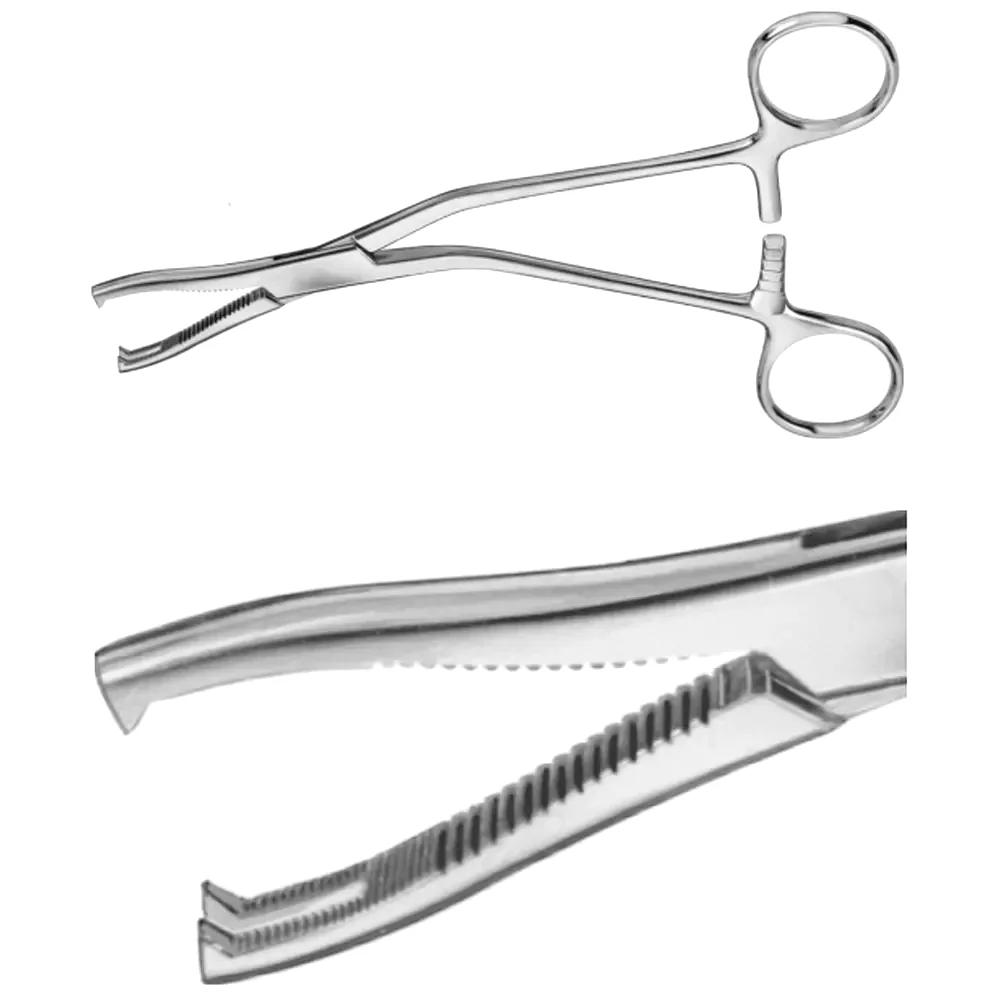
Dingman Bone Holding Forceps
Direct Manufacturer Pricing • Tax Exclusive
Dingman Bone Holding Forceps are specialized orthopedic instruments designed to hold and stabilize bone during appropriate surgical procedures. Their specific jaw configuration and handling characteristics should be confirmed to ensure compatibility with the intended application. Verify the dimensions, material, and manufacturer specifications before ordering.
All import duties, tariffs & taxes are 100% pre-paid for USA, UK, Canada, EUROPE & Australia (AUS). Zero surprise customs bills at delivery.
Hospital & Volume Procurement Pricing
Dingman Bone Holding Forceps are orthopedic surgical instruments intended to help grasp and stabilize bone during selected operative procedures. Bone holding forceps can assist surgical professionals in maintaining bone position while performing appropriate alignment, fixation, or related surgical tasks.
The exact design of this Dingman pattern is not specified in the product title. Details such as overall length, jaw shape, gripping surface, and locking mechanism can vary between instrument models. Buyers should obtain the manufacturer's specifications before selecting the forceps for a particular procedure.
Design and Jaw Configuration
Bone holding forceps generally feature opposing jaws designed to engage bone and provide controlled stabilization. Their shape and gripping pattern influence how they contact the bone and which applications they can support.
For this Dingman model, the precise jaw configuration has not been provided. Confirm whether the jaws are straight or curved, the shape of their working surfaces, the maximum opening capacity, and whether a locking mechanism is included. Proper alignment and smooth mechanical operation are important factors when assessing instrument condition.
Orthopedic Surgical Applications
Bone holding forceps are used in selected orthopedic procedures that require temporary bone stabilization or positioning. Depending on the instrument's design and intended use, they may help maintain alignment while the surgical team performs a related operative step.
The product name alone does not establish suitability for a specific bone, fracture pattern, or fixation technique. The intended applications of these Dingman Bone Holding Forceps should be confirmed through manufacturer documentation and evaluated by qualified healthcare professionals.
Handling and Instrument Performance
Reliable handling is essential for orthopedic instruments. Before use, inspect the forceps for damaged jaws, deformation, corrosion, or other visible defects. Check any joint or locking mechanism for smooth operation and confirm that the jaws align correctly when closed.
The required gripping capacity depends on the surgical task and the instrument's design. Do not assume that these forceps are suitable for every bone size or procedure. Use the instrument only within its documented specifications and applicable clinical protocols.
Material and Construction
The product title does not specify the material or its grade. Orthopedic instruments are often made from stainless steel or other suitable medical-grade materials, but the construction of this particular model must be confirmed with the supplier.
Material grade, surface finish, and manufacturing quality can affect corrosion resistance, durability, and reprocessing compatibility. Buyers should request accurate material information and any applicable manufacturer documentation before purchase.
Cleaning, Sterilization, and Maintenance
Follow the manufacturer's validated instructions for cleaning, inspection, sterilization, and storage, together with the healthcare facility's infection-control procedures. Clean the jaws carefully and pay attention to any joints, hinges, or locking components.
Use only approved cleaning agents and sterilization methods for the specific instrument. Inspect the forceps after reprocessing for corrosion, cracks, jaw misalignment, and impaired mechanical function. Remove damaged or malfunctioning instruments from service.
Choosing the Right Dingman Bone Holding Forceps
Before purchasing Dingman Bone Holding Forceps, confirm the overall length, jaw configuration, opening capacity, locking mechanism, material, and intended applications. These details help determine whether the instrument meets the needs of the orthopedic team.
For hospitals, clinics, and surgical suppliers, accurate product documentation supports informed purchasing, instrument inventory management, and maintenance planning. The manufacturer's specifications should remain the primary reference for clinical compatibility and safe reprocessing.
Key Features
Dingman-pattern bone holding forceps
Designed for orthopedic bone stabilization
Helps maintain bone position during appropriate procedures
Jaw configuration should be confirmed with the supplier
Gripping surface and opening capacity require verification
Locking mechanism is not specified
Material and grade require confirmation
Intended applications depend on manufacturer documentation
Requires inspection before each use
Cleaning and sterilization must follow manufacturer instructions
Product Specifications
| Specification | Details |
|---|---|
| Product Name | Dingman Bone Holding Forceps |
| Instrument Type | Bone holding forceps |
| Pattern | Dingman |
| Specialty | Orthopedic surgery |
| Primary Function | Grasping and stabilizing bone |
| Jaw Configuration | Confirm with supplier |
| Gripping Surface | Confirm with supplier |
| Overall Length | Not specified |
| Opening Capacity | Not specified |
| Locking Mechanism | Confirm with supplier |
| Material | Confirm with supplier |
| Reusable Status | Confirm with manufacturer |
| Sterilization Compatibility | Follow manufacturer instructions |
| Manufacturer / Brand | Not specified |
Frequently Asked Questions
1. What are Dingman Bone Holding Forceps used for?
They are orthopedic instruments intended to grasp and stabilize bone during appropriate surgical procedures. Confirm the exact intended use with the manufacturer.
2. What is the function of bone holding forceps?
Bone holding forceps help maintain bone position during selected surgical tasks, including appropriate alignment and fixation steps.
3. What jaw design do Dingman Bone Holding Forceps have?
The product title does not specify the jaw design. Ask the supplier to confirm the shape, gripping surface, and opening capacity.
4. Are these forceps suitable for all orthopedic procedures?
No. Suitability depends on the instrument's dimensions, jaw design, mechanical properties, and intended use.
5. What material are these forceps made from?
The material is not specified in the title. Confirm the material grade and construction details with the supplier.
6. Do these forceps include a locking mechanism?
The product title does not establish whether a locking mechanism is present. Verify this feature before purchase.
7. Can Dingman Bone Holding Forceps be sterilized?
Use the cleaning and sterilization methods approved by the manufacturer for the exact model.
8. Are these forceps reusable?
Reuse status is not specified. Confirm the manufacturer's instructions before clinical use.
9. How should these forceps be maintained?
Clean and inspect the instrument according to the manufacturer's instructions. Check the jaws, joints, and any locking components for damage or wear before use.
10. What should I verify before ordering?
Confirm the overall length, jaw configuration, opening capacity, locking mechanism, material, intended applications, reuse status, and reprocessing requirements.