
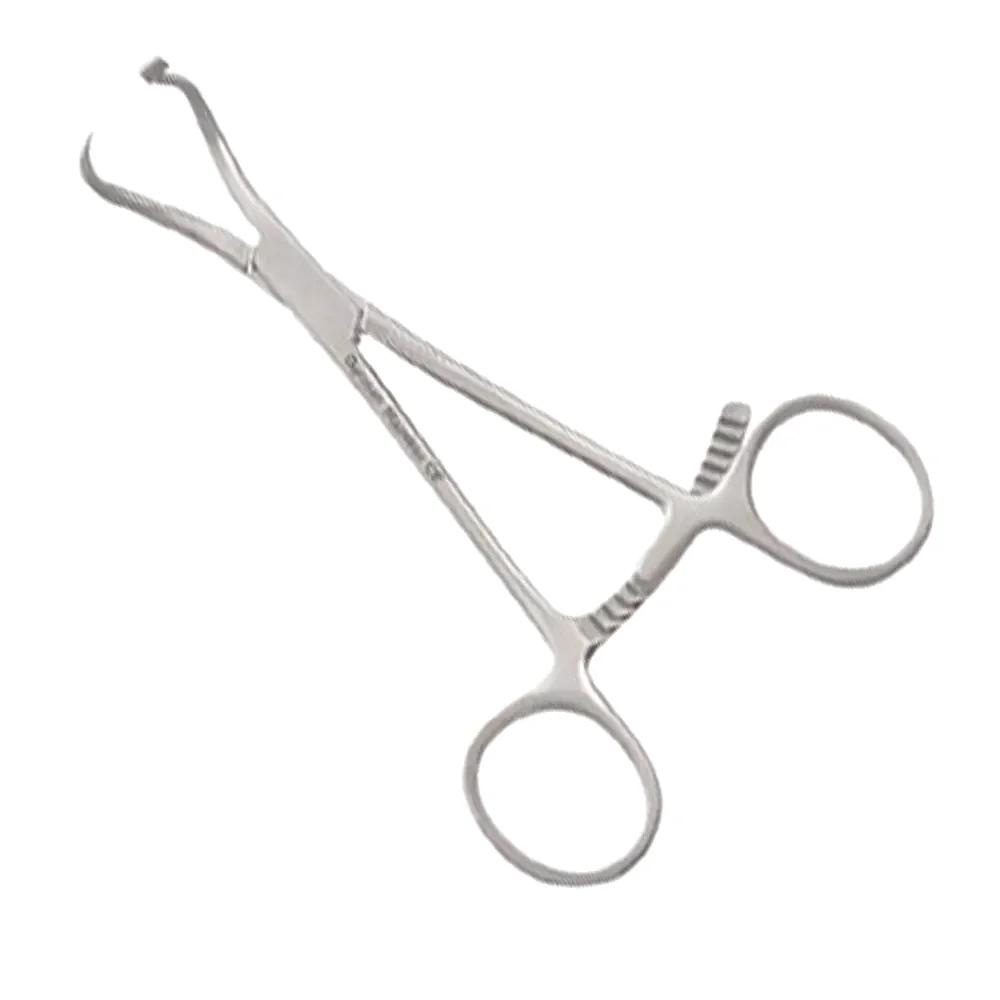
Guide Bone Reduction Forceps for Orthopedic Surgery
Direct Manufacturer Pricing • Tax Exclusive
Guide Bone Reduction Forceps are orthopedic surgical instruments designed to assist with the alignment and temporary holding of bone fragments during fracture reduction. Their suitability depends on the jaw configuration, instrument dimensions, and the specific requirements of the orthopedic procedure.
All import duties, tariffs & taxes are 100% pre-paid for USA, UK, Canada, EUROPE & Australia (AUS). Zero surprise customs bills at delivery.
Hospital & Volume Procurement Pricing
Guide Bone Reduction Forceps are specialized orthopedic instruments used to assist surgeons in positioning and maintaining the alignment of bone fragments during fracture reduction and selected reconstructive procedures. Accurate bone alignment is an important step in orthopedic surgery because it helps establish the desired anatomical relationship before definitive fixation with plates, screws, or other appropriate devices.
These forceps are intended to provide a controlled gripping mechanism for manipulating bone fragments when their design is appropriate for the operative site. The term “guide” may refer to a particular instrument configuration, so the exact jaw design, guiding feature, and intended application should be confirmed with the manufacturer or supplier before purchase.
Design and Functional Characteristics
Bone reduction forceps generally feature opposing jaws connected to handles that allow the surgeon to apply controlled compression or maintain a selected position. Depending on the model, the jaws may have pointed tips, serrated gripping surfaces, or other specialized profiles designed to engage bone securely.
The guiding configuration of this model cannot be confirmed from the product title alone. Buyers should verify whether the instrument includes a specific guiding feature, pointed reduction tips, or another jaw arrangement. These details influence how the forceps engage bone and which surgical applications they may support.
A suitable jaw profile can help the surgeon maintain control while positioning bone fragments. The instrument must be selected according to the anatomy, fracture pattern, access requirements, and planned fixation method.
Orthopedic Surgical Applications
Guide Bone Reduction Forceps may be considered for orthopedic procedures involving fracture reduction and temporary bone fragment control, subject to the verified design. Potential applications may include:
Aligning bone fragments during selected fracture reduction procedures.
Maintaining reduction while preparing for internal fixation.
Assisting with bone positioning during reconstructive orthopedic surgery.
Supporting temporary stabilization during plate and screw placement.
Holding suitable bone segments during selected trauma procedures.
The appropriate application depends on the instrument's intended use and the surgeon's technique. These forceps do not replace definitive fracture fixation when fixation is clinically required.
Benefits in Bone Reduction Procedures
A properly selected bone reduction instrument can help maintain the intended position of bone fragments while the surgical team prepares for fixation. Controlled handling may reduce the need for repeated repositioning and support an organized operative workflow.
The effectiveness of the instrument depends on the relationship between its jaw design and the bone being treated. Jaw size, tip geometry, handle design, and working length should all be considered when choosing forceps for a particular fracture or anatomical location.
Material and Construction
The material of this specific Guide Bone Reduction Forceps is not identified in the product title. Orthopedic forceps are commonly manufactured from medical-grade stainless steel, but the exact alloy, surface finish, and mechanical characteristics should be verified through the manufacturer's documentation.
Material quality and construction are important because reduction instruments must withstand the forces associated with their intended application. Buyers should confirm the manufacturer's specifications and ensure that the instrument is appropriate for the planned orthopedic procedures.
Cleaning, Sterilization, and Maintenance
Reprocessing requirements depend on the instrument's construction and whether it is designed for reuse. Follow the manufacturer's validated instructions for cleaning, inspection, packaging, and sterilization. Pay particular attention to joints, serrations, and working tips where debris may accumulate.
Inspect the jaws for wear, deformation, damage, or impaired alignment before and after reprocessing. Use only validated sterilization methods compatible with the instrument. Proper handling and routine maintenance can help preserve its condition and support reliable performance throughout its intended service life.
Guide Bone Reduction Forceps are a specialized option for orthopedic departments, trauma centers, and surgical instrument suppliers. Confirming the exact jaw configuration, dimensions, material, and intended use helps ensure appropriate selection for fracture reduction and related orthopedic procedures.
Key Features
Specialized orthopedic bone reduction instrument
Designed to assist with bone fragment alignment
Supports temporary reduction and positioning where appropriate
Suitable for selected fracture management procedures
May assist during preparation for plate and screw fixation
Jaw configuration to be confirmed with the manufacturer
Overall length and jaw dimensions not specified
Material composition to be verified before purchase
Reusability subject to manufacturer specifications
Cleaning and sterilization according to validated instructions
Product Specifications
| Specification | Details |
|---|---|
| Product Name | Guide Bone Reduction Forceps |
| Instrument Category | Orthopedic Surgical Forceps |
| Specialty | Orthopedics / Trauma Surgery |
| Primary Function | Bone fragment reduction and positioning |
| Jaw Design | Confirm with manufacturer |
| Overall Length | Not specified |
| Tip Configuration | Not specified |
| Material | Confirm with manufacturer |
| Finish | Not specified |
| Intended Application | Selected fracture reduction and orthopedic procedures |
| Reusability | Confirm with manufacturer |
| Sterilization | Follow manufacturer's instructions for use |
Frequently Asked Questions
1. What are Guide Bone Reduction Forceps used for?
Guide Bone Reduction Forceps are intended to assist with positioning and temporarily holding bone fragments during selected orthopedic procedures. Their exact function depends on the instrument's verified design.
2. How are bone reduction forceps used in fracture surgery?
When appropriate for the fracture and anatomy, a surgeon uses reduction forceps to bring bone fragments into the desired alignment and maintain that position while assessing reduction or preparing for definitive fixation.
3. Can bone reduction forceps be used during plate and screw fixation?
They may help maintain bone alignment while a suitable fixation system is positioned and secured. The instrument must be compatible with the operative site and the surgeon's chosen technique.
4. What does “guide” mean in Guide Bone Reduction Forceps?
The term may identify a particular model or guiding feature. The exact meaning should be confirmed from the manufacturer's product description, technical drawings, or catalog.
5. What material are Guide Bone Reduction Forceps made from?
The material is not specified in the product title. Confirm the exact material grade and construction with the manufacturer or supplier before purchase.
6. Can Guide Bone Reduction Forceps be sterilized?
Sterilization depends on the instrument's materials, construction, and intended reuse status. Follow the manufacturer's validated cleaning and sterilization instructions.
7. What should buyers check before purchasing bone reduction forceps?
Verify the jaw configuration, overall length, tip design, material, intended applications, and reprocessing requirements. These specifications help determine whether the instrument is suitable for the intended orthopedic procedure.