
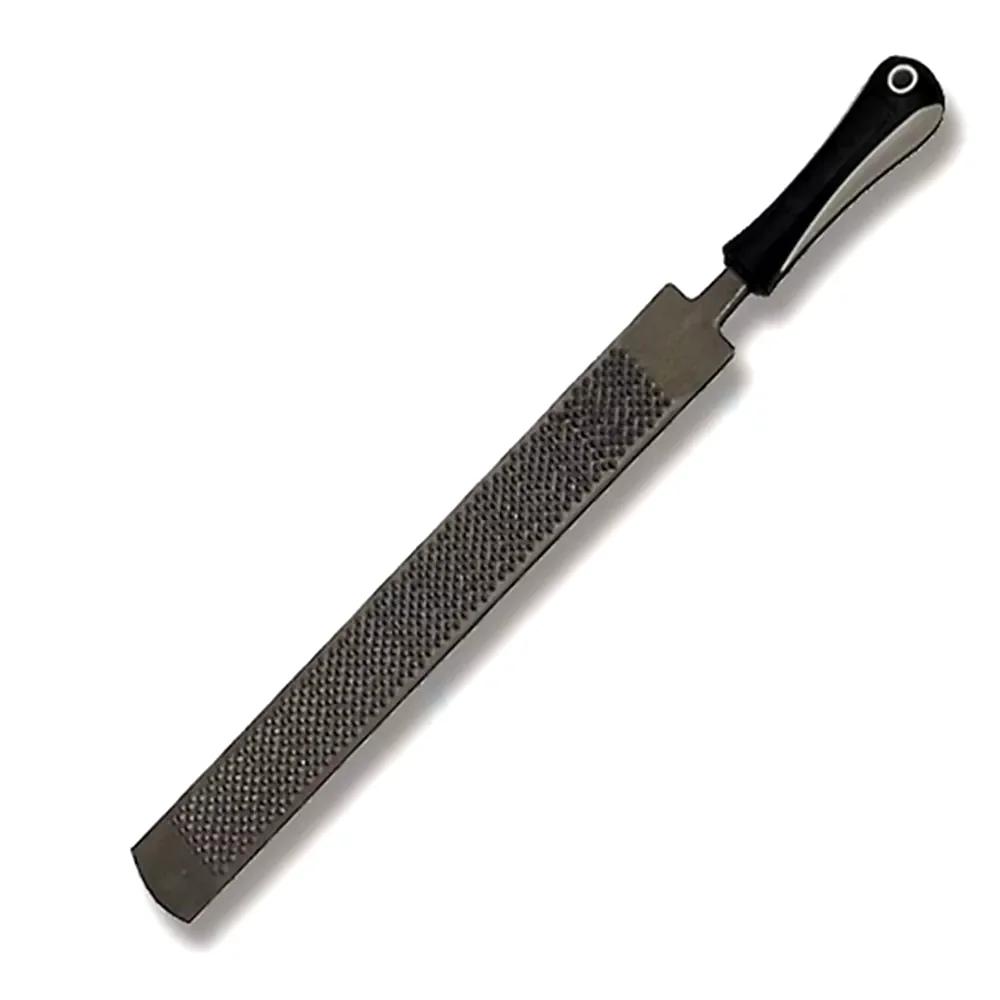
Hoof Rasps Made Of Carbon Steel
Direct Manufacturer Pricing • Tax Exclusive
Carbon Steel Hoof Rasps are designed for shaping, smoothing, and maintaining hoof surfaces during routine veterinary and farriery procedures. Made from carbon steel, they provide a practical option for trained hoof-care professionals who need a dedicated rasp for controlled hoof finishing.
All import duties, tariffs & taxes are 100% pre-paid for USA, UK, Canada, EUROPE & Australia (AUS). Zero surprise customs bills at delivery.
Hospital & Volume Procurement Pricing
Carbon Steel Hoof Rasps are specialized hoof-care tools used to shape and smooth hoof surfaces during routine maintenance. They are intended for use by trained farriers, veterinary professionals, and qualified hoof-care specialists who require a suitable rasp for managing hoof condition and maintaining an appropriate hoof shape.
The rasping process helps refine areas after trimming and can assist with removing small amounts of hoof material in a controlled manner. The appropriate technique depends on the animal, hoof condition, and professional assessment. Using a suitable rasp helps the operator work progressively rather than removing excessive material in a single pass.
Carbon Steel Construction
Carbon steel is commonly used in tools that require a durable working surface and effective material removal. In a hoof rasp, the working face is designed to abrade and smooth hoof material through repeated controlled strokes. The effectiveness of the rasp depends on its tooth pattern, surface texture, dimensions, and manufacturing quality.
The exact carbon steel grade, hardness, surface treatment, and corrosion protection for this product are not specified in the title. These details should be confirmed with the supplier before purchase, particularly when selecting a tool for frequent professional use.
Carbon steel can be susceptible to corrosion if exposed to moisture or stored without proper care. Thorough drying and suitable storage are therefore important maintenance considerations.
Design and Practical Use
Hoof rasps are generally elongated tools with a textured working surface that allows the user to shape hoof material through controlled movement. The specific length, width, tooth configuration, and handle arrangement can vary by model. As these measurements are not provided for this product, buyers should confirm them before ordering.
The rasp should be selected according to the intended hoof-care task and the user's preferred handling method. A suitable size and working surface can support access to the required area and help the operator maintain control. The tool should be used by trained professionals who understand hoof anatomy and appropriate trimming practices.
Applications in Animal Hoof Care
Carbon steel hoof rasps may be used as part of routine hoof maintenance in equine and other applicable animal-care settings, subject to the model's intended use. Typical rasping tasks may include smoothing trimmed surfaces, refining hoof shape, and maintaining edges after the use of appropriate trimming tools.
A hoof rasp is often used alongside instruments such as hoof nippers and hoof knives. These tools have different functions: nippers remove larger amounts of material when appropriate, knives perform specific trimming tasks, and rasps help refine and smooth surfaces. The selection and sequence of instruments should be guided by professional training and the animal's needs.
Cleaning, Maintenance, and Storage
After use, remove hoof debris from the rasp's working surface using a method recommended by the manufacturer. Avoid techniques that may damage the teeth or working face. If cleaning with moisture is permitted, dry the tool thoroughly before storage.
Because carbon steel may rust, keep the rasp in a dry environment and follow the supplier's recommendations for corrosion prevention. Inspect the working surface periodically for worn teeth, damage, or reduced effectiveness. Replace the instrument when its condition no longer supports appropriate use.
Do not assume that the rasp is compatible with medical sterilization processes or chemical disinfectants. Follow the manufacturer's specific cleaning and maintenance instructions, and store the tool securely to protect its working surface and prevent accidental injury.
Choosing the Right Carbon Steel Hoof Rasp
When selecting a carbon steel hoof rasp, consider its overall length, working-face dimensions, tooth pattern, handle configuration, and intended animal-care application. Confirm the carbon steel grade and maintenance requirements if these factors are important to your purchasing decision.
Carbon Steel Hoof Rasps provide a dedicated option for trained professionals who need a tool for hoof shaping and finishing. Appropriate selection, correct technique, and regular maintenance can help support consistent performance during routine hoof-care work.
Key Features
Made from carbon steel, as specified in the product title
Designed for hoof shaping and surface smoothing
Suitable for consideration in veterinary and farriery toolkits
Supports controlled removal of small amounts of hoof material
Working surface intended for rasping and finishing
Can complement hoof nippers and hoof knives
Suitable for trained hoof-care professionals
Requires regular inspection for wear and damage
Needs thorough drying and appropriate storage to help prevent rust
Exact dimensions and tooth pattern should be confirmed with the supplier
Product Specifications
| Specification | Details |
|---|---|
| Product Name | Carbon Steel Hoof Rasps |
| Instrument Category | Veterinary and farriery tool |
| Instrument Type | Hoof rasp |
| Material | Carbon steel |
| Primary Function | Hoof shaping, smoothing, and finishing |
| Intended Users | Trained farriers and veterinary professionals |
| Working Surface | Textured rasping surface; exact pattern not specified |
| Overall Length | Not specified |
| Width | Not specified |
| Tooth Pattern | Not specified |
| Handle Type | Not specified |
| Animal Compatibility | Confirm with supplier |
| Cleaning | Follow manufacturer instructions |
| Corrosion Care | Keep dry and follow supplier recommendations |
| Sterilization Compatibility | Not specified |
| Packaging | Confirm with supplier |
Frequently Asked Questions
1. What are carbon steel hoof rasps used for?
Carbon steel hoof rasps are used to shape, smooth, and refine hoof surfaces during appropriate hoof-care procedures.
2. Why is carbon steel used for hoof rasps?
Carbon steel is commonly used for tools that require a durable working surface. Its performance depends on the steel grade, heat treatment, and quality of the rasp teeth.
3. Who can use a hoof rasp?
Hoof rasps are intended for trained farriers, veterinary professionals, and qualified hoof-care specialists who understand safe hoof-trimming techniques.
4. Can carbon steel hoof rasps be used for horse hoof care?
They may be suitable for equine hoof maintenance when the product's design matches the task. Confirm the manufacturer's intended application before use.
5. How do you clean a carbon steel hoof rasp?
Remove hoof debris using a manufacturer-approved method. If moisture is used, dry the rasp thoroughly and store it in a dry location to help prevent corrosion.
6. Do carbon steel hoof rasps rust?
Yes. Carbon steel can corrode when exposed to moisture or unsuitable storage conditions. Proper drying and maintenance help reduce this risk.
7. What is the difference between a hoof rasp and hoof nippers?
Hoof nippers are designed to cut and remove hoof material, while a rasp is used to shape and smooth surfaces through abrasion.
8. What should I check before purchasing a carbon steel hoof rasp?
Check the overall length, working-face dimensions, tooth pattern, handle design, material specifications, and intended application to ensure the tool meets your requirements.