
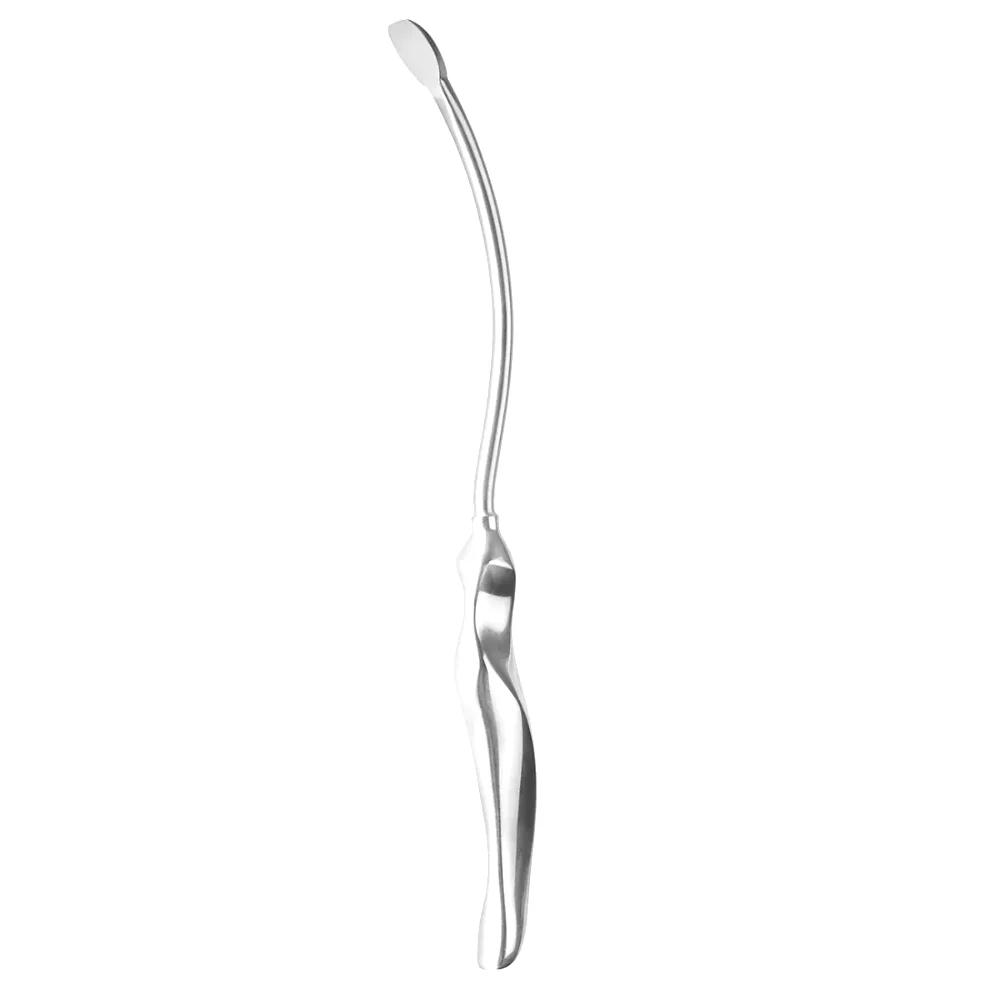
Inner Facelift Parietal Periosteal Dissector
Direct Manufacturer Pricing • Tax Exclusive
The Inner Facelift Parietal Periosteal Dissector is a specialized surgical instrument designed for tissue dissection involving the parietal periosteal plane in selected facial plastic surgery procedures. Its precise tip design, dimensions, and intended applications should be confirmed with the manufacturer before purchase.
All import duties, tariffs & taxes are 100% pre-paid for USA, UK, Canada, EUROPE & Australia (AUS). Zero surprise customs bills at delivery.
Hospital & Volume Procurement Pricing
The Inner Facelift Parietal Periosteal Dissector is a specialized instrument intended for consideration in facial plastic and reconstructive surgery settings. Its name indicates an association with dissection involving the parietal periosteum, the connective tissue membrane covering the parietal region of the skull. The instrument's exact role depends on its working-end configuration and the surgical technique for which it was designed.
Periosteal dissectors are used by trained surgeons to separate or elevate tissue from underlying bone when required by a procedure. Different dissector patterns are designed for specific anatomical regions and approaches. The manufacturer's instructions should be consulted to establish the precise intended use of this particular inner facelift instrument.
Specialized Dissector Design
The working end of a periosteal dissector is important for controlled instrument handling. Factors such as tip shape, width, curvature, edge profile, and shaft length may affect access and maneuverability within the intended surgical field.
The available product title does not specify these measurements or describe the exact working-end geometry of this model. Buyers should request product photographs and a detailed specification sheet to verify the instrument's design before ordering. This is especially important when matching a replacement instrument to an existing facial surgery set.
Applications in Facial and Reconstructive Surgery
Facial plastic surgery may involve dissection and tissue mobilization across carefully defined anatomical planes. A periosteal dissector may be used to separate tissue from bone where appropriate to the surgical approach. However, the term "inner facelift" does not independently establish every clinical application or confirm suitability for a particular technique.
Surgeons should select the instrument according to the planned procedure, anatomical requirements, and the manufacturer's intended-use documentation. Use around the scalp and craniofacial structures requires appropriate training and familiarity with the relevant anatomy.
Material and Construction
The material composition of this specific Inner Facelift Parietal Periosteal Dissector has not been provided. Buyers should confirm the material grade, surface finish, shaft construction, working-end dimensions, and overall length with the supplier.
Verified material information helps medical facilities assess the instrument's durability, maintenance requirements, and compatibility with their instrument processing procedures. Claims about stainless steel grades, manufacturing standards, or corrosion resistance should only be made when supported by manufacturer documentation.
Cleaning, Sterilization, and Maintenance
Inspect the instrument before each use for deformation, corrosion, surface damage, or other defects that could affect its function. Particular attention should be given to the working end and shaft.
Cleaning, disinfection, sterilization, and storage must follow the validated instructions supplied for the specific instrument. Reusable status and compatibility with a particular sterilization method should be confirmed rather than assumed. Appropriate inspection and maintenance help healthcare facilities manage their surgical instruments in accordance with established protocols.
Selecting the Right Parietal Periosteal Dissector
When sourcing an Inner Facelift Parietal Periosteal Dissector, verify the instrument pattern, tip profile, overall length, material, and intended applications. Confirm whether its dimensions and configuration match the requirements of the surgical team and existing instrument inventory.
This instrument is intended for professional medical use. Final selection should be based on documented product specifications and the requirements of qualified facial plastic and reconstructive surgeons.
Key Features
Product Name: Inner Facelift Parietal Periosteal Dissector
Instrument Category: Facial plastic and reconstructive surgery
Instrument Type: Periosteal dissector
Design Reference: Inner facelift and parietal periosteal dissection
Intended Application: Tissue dissection or elevation, subject to manufacturer specifications
Working-End Shape: Not specified; confirm with supplier
Shaft Configuration: Not specified
Overall Length: Not specified
Material: Not specified; confirm with manufacturer
Surface Finish: Not specified
Reusable Status: Confirm with manufacturer
Cleaning and Sterilization: Follow manufacturer-approved instructions
Intended Users: Qualified surgical professionals
Product Specifications
| Specification | Details |
|---|---|
| Product Name | Inner Facelift Parietal Periosteal Dissector |
| Instrument Type | Periosteal dissector |
| Category | Facial plastic and reconstructive surgery |
| Design Pattern | Inner facelift / parietal periosteal |
| Intended Application | Confirm with manufacturer |
| Working-End Shape | Not specified |
| Working-End Width | Not specified |
| Shaft Design | Not specified |
| Overall Length | Not specified |
| Material | Not specified; confirm with supplier |
| Surface Finish | Not specified |
| Reusable Status | Confirm with manufacturer |
| Sterilization Method | Follow validated manufacturer instructions |
| Brand/Manufacturer | Not specified |
| Country of Origin | Not specified |
| SKU | IFPD-001 |
Frequently Asked Questions
1. What is an Inner Facelift Parietal Periosteal Dissector?
It is a specialized surgical instrument identified for parietal periosteal dissection in an inner facelift context. Its precise intended use depends on the manufacturer's specifications.
2. What is a periosteal dissector used for?
A periosteal dissector is generally used to separate or elevate tissue from the surface of bone during selected surgical procedures.
3. What does parietal periosteal refer to?
It refers to the periosteal tissue covering the parietal region of the skull. The instrument's specific application should be confirmed with the manufacturer.
4. What are the dimensions of this instrument?
The overall length and working-end dimensions are not specified in the available product information. Request exact measurements from the supplier.
5. What material is this dissector made from?
The material has not been specified. Contact the supplier to confirm the material grade and construction.
6. Can this instrument be sterilized?
The approved sterilization method depends on the material and manufacturer's validated instructions. Follow the specific reprocessing guidance provided for the instrument.
7. Is this dissector reusable?
Its reusable status has not been confirmed. Verify the manufacturer's instructions for use, cleaning, inspection, and reprocessing.
8. What should buyers check before ordering?
Confirm the working-end design, shaft configuration, overall length, material, intended application, reusable status, and manufacturer-approved reprocessing instructions.
9. Who should use this instrument?
It is intended for qualified surgical professionals with appropriate training in the relevant facial plastic or reconstructive procedures.