
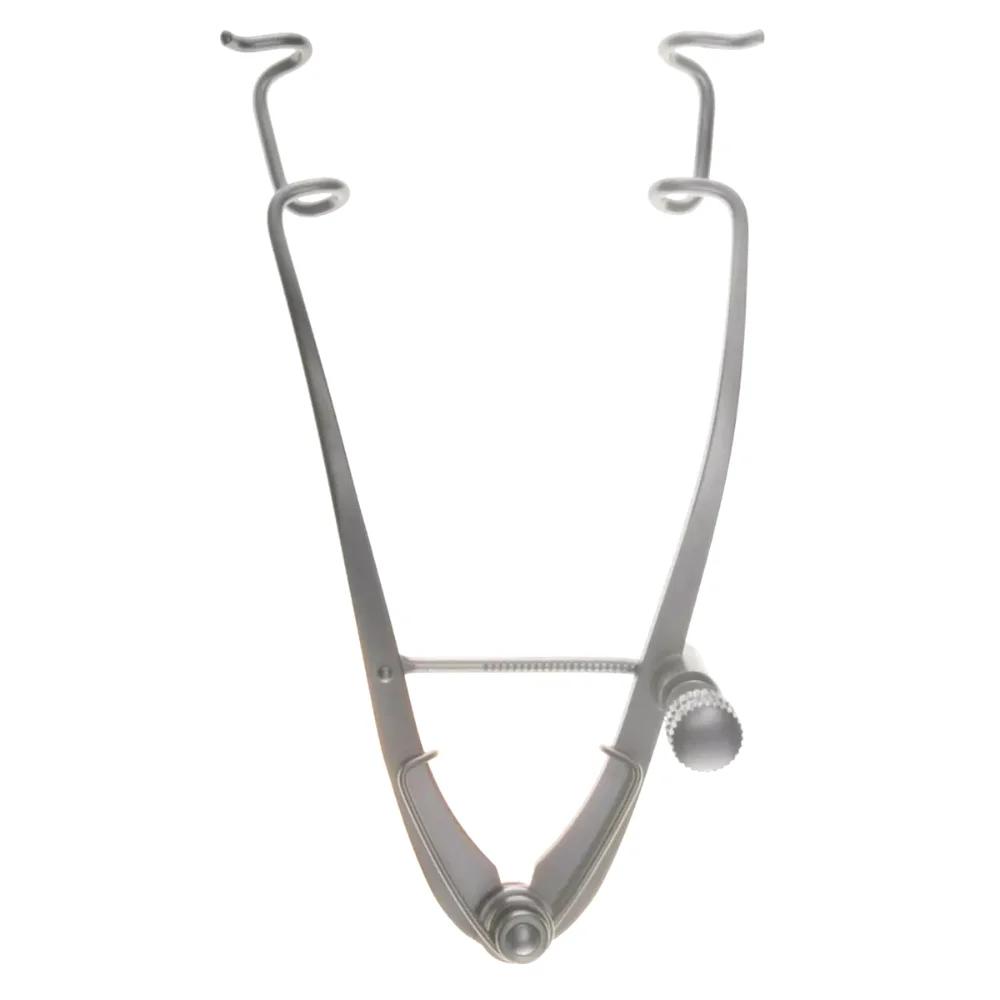
Knapp Eye Speculum Open Blades
Direct Manufacturer Pricing • Tax Exclusive
The Knapp Eye Speculum with Open Blades is an ophthalmic surgical instrument designed to retract the eyelids and maintain access to the eye during examination and surgical procedures. Its open-blade configuration supports eyelid separation while allowing the surgical team to work within the designated operative field.
All import duties, tariffs & taxes are 100% pre-paid for USA, UK, Canada, EUROPE & Australia (AUS). Zero surprise customs bills at delivery.
Hospital & Volume Procurement Pricing
The Knapp Eye Speculum with Open Blades is a specialized ophthalmic instrument used to hold the eyelids apart during eye examinations and surgical procedures. By maintaining eyelid separation, the speculum helps provide consistent access to the ocular surface and surrounding operative area. It is intended for professional ophthalmic environments where controlled eyelid retraction is required.
Eye specula are important components of ophthalmic instrument sets because they help prevent the eyelids from obstructing the surgical field. The Knapp Eye Speculum is designed for applications in which the open-blade configuration is appropriate for the procedure and the patient's anatomical requirements. The exact design and intended applications should be confirmed against the manufacturer's specifications.
Purpose and Ophthalmic Applications
The primary function of the Knapp Eye Speculum is to maintain separation of the upper and lower eyelids during selected ophthalmic examinations and surgical procedures. By keeping the eyelids retracted, it allows clinicians to access the eye without repeatedly repositioning the eyelids manually.
This type of instrument may be considered for use in ophthalmic operating rooms, eye clinics, and specialized surgical departments. Depending on its specific dimensions and design, an eye speculum may be used during procedures involving the anterior segment of the eye and other ophthalmic interventions requiring eyelid retraction. Suitability for a particular procedure must be determined by the operating ophthalmologist.
Open-Blade Design and Functional Features
The open-blade configuration is the defining feature of this Knapp Eye Speculum. Its blades are designed to engage the eyelids and maintain separation, helping preserve access to the operative field. The instrument's overall geometry, blade curvature, and contact surfaces influence how it fits and functions during use.
Depending on the model, the speculum may incorporate a spring mechanism or another opening and positioning arrangement. However, the precise mechanism, blade dimensions, and adjustment features should be verified with the supplier rather than assumed from the product name alone.
Appropriate blade positioning is important for effective eyelid retraction. The instrument should be selected according to the patient's anatomy, the intended procedure, and the clinician's preferred technique. It should be applied by trained professionals using appropriate care to avoid unnecessary pressure on the eyelids and surrounding ocular tissues.
Material and Construction
Reusable ophthalmic specula are commonly manufactured from surgical-grade stainless steel because it offers strength, corrosion resistance, and suitability for repeated reprocessing when designed for that purpose. The exact material of this Knapp Eye Speculum should be confirmed in the manufacturer's documentation.
Smoothly finished surfaces and properly formed blades are important characteristics of an ophthalmic instrument. The working surfaces should be inspected for rough edges, deformation, corrosion, or other damage that could affect performance or patient contact.
Benefits for Ophthalmic Practice
The Knapp Eye Speculum with Open Blades supports consistent eyelid retraction during procedures where unobstructed access to the eye is necessary. Its dedicated design can help clinicians maintain a stable operative field and organize instruments for ophthalmic examinations and surgical workflows.
For hospitals, ophthalmology clinics, and medical supply distributors, selecting the correct eye speculum involves checking blade configuration, dimensions, material, and compatibility with the intended application. Accurate product specifications help buyers choose an instrument that meets clinical and equipment requirements.
Cleaning, Sterilization, and Maintenance
Reusable Knapp eye specula must be cleaned, inspected, and sterilized according to the manufacturer's validated instructions and the healthcare facility's infection prevention protocols. The appropriate sterilization method, including whether steam autoclaving is permitted, depends on the specific model and material.
Inspect the blades, joints, and opening mechanism, if present, before and after use. Remove damaged or deformed instruments from service and follow the manufacturer's guidance for maintenance and storage. Proper handling and validated reprocessing help preserve instrument condition and support safe clinical use.
The Knapp Eye Speculum with Open Blades is a specialized option for ophthalmic instrument collections. Verifying the exact model specifications and intended use helps ensure appropriate selection for professional eye care and surgical settings.
Key Features
Specialized ophthalmic surgical instrument for eyelid retraction
Open-blade configuration for maintaining eyelid separation
Supports access to the ocular surface and operative field
Suitable for selected ophthalmic examinations and surgical procedures
Designed for use by trained ophthalmic professionals
Purpose-specific construction for eye care applications
Blade geometry and dimensions should be confirmed with the supplier
Surgical-grade stainless steel may be used, depending on the model
Reusable status and sterilization compatibility require verification
Inspection helps identify blade deformation, corrosion, or surface damage
Product Specifications
Specification | Details |
|---|---|
Product Name | Knapp Eye Speculum Open Blades |
Instrument Type | Eye Speculum |
Surgical Specialty | Ophthalmology |
Primary Function | Eyelid retraction |
Blade Configuration | Open blades |
Instrument Material | Confirm with manufacturer |
Overall Length | Not specified |
Blade Dimensions | Not specified |
Opening Mechanism | Confirm model-specific design |
Reusable or Single-Use | Confirm with manufacturer |
Sterilization Method | Follow manufacturer instructions |
Intended Users | Ophthalmologists and qualified clinical professionals |
Frequently Asked Questions
1. What is a Knapp Eye Speculum with Open Blades used for?
It is used to hold the eyelids apart during selected eye examinations and ophthalmic surgical procedures, helping maintain access to the ocular surface.
2. What does the open-blade design mean?
The term describes the blade configuration used to engage and retract the eyelids. The exact shape and opening mechanism depend on the specific model.
3. Is the Knapp Eye Speculum used in ophthalmic surgery?
Yes, eye specula are used in ophthalmic surgery when eyelid retraction is required. The suitability of this particular model depends on its specifications and the intended procedure.
4. What material is a Knapp Eye Speculum made from?
Reusable eye specula are commonly made from surgical-grade stainless steel. The material of this specific model should be verified with the manufacturer or supplier.
5. Can the Knapp Eye Speculum be autoclaved?
Autoclaving is appropriate only if the specific instrument is designed for steam sterilization. Follow the manufacturer's validated cleaning and sterilization instructions.
6. How do I choose the right eye speculum?
Consider blade configuration, overall dimensions, opening mechanism, patient anatomy, and the intended ophthalmic procedure. Confirm the instrument specifications before purchasing.
7. How should an open-blade eye speculum be maintained?
Clean and sterilize the instrument according to the manufacturer's instructions. Inspect the blades and any moving mechanism for deformation, corrosion, or damage before use.
8. Who uses a Knapp Eye Speculum?
It is intended for use by qualified ophthalmologists and other appropriately trained clinical professionals in suitable eye care and surgical settings.