
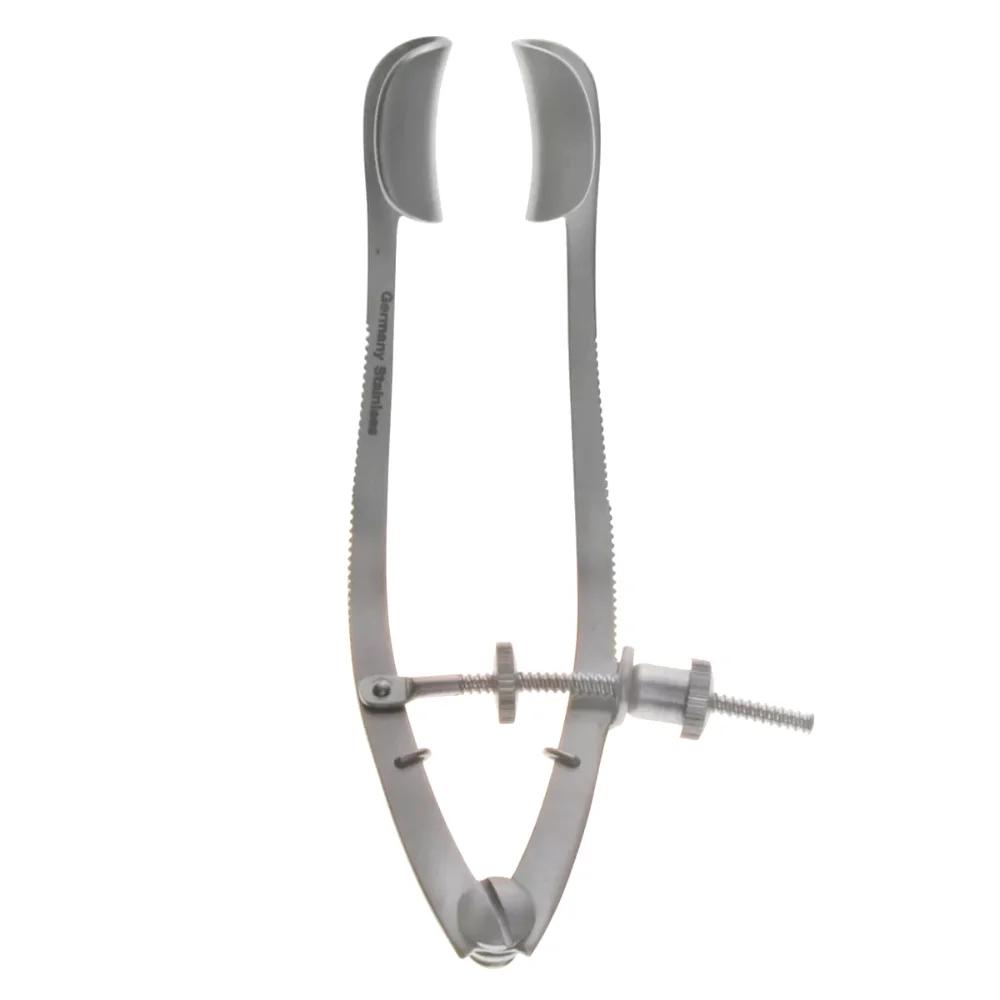
Lancaster Eye Speculum with Solid Blades
Direct Manufacturer Pricing • Tax Exclusive
The Lancaster Eye Speculum with solid blades is an ophthalmic surgical instrument designed to retract the eyelids and maintain access to the operative field during eye procedures. Its solid-blade design supports stable eyelid positioning and provides convenient access for ophthalmic examination and surgery.
All import duties, tariffs & taxes are 100% pre-paid for USA, UK, Canada, EUROPE & Australia (AUS). Zero surprise customs bills at delivery.
Hospital & Volume Procurement Pricing
The Lancaster Eye Speculum with Solid Blades is a specialized ophthalmic instrument designed to hold the eyelids apart during eye examinations and surgical procedures. By maintaining eyelid retraction, this eye speculum helps provide consistent access to the ocular surface while reducing the need for continuous manual retraction. Its practical design makes it a useful addition to ophthalmic instrument sets used in hospitals, eye clinics, and surgical facilities.
Purpose and Ophthalmic Applications
The primary purpose of the Lancaster Eye Speculum is to provide controlled eyelid separation during ophthalmic procedures. Maintaining an accessible operative field is important when the surgeon needs an unobstructed view of the eye and surrounding structures. The instrument supports this requirement by keeping the eyelids retracted while allowing the surgical team to work within the designated area.
This ophthalmic speculum may be used in selected eye examinations and surgical procedures where its design is appropriate. Potential applications include anterior segment procedures, ocular surface interventions, and other ophthalmic operations requiring eyelid retraction. Suitability depends on the specific procedure, patient anatomy, and the clinician's preferred instrumentation.
Solid-Blade Design
The defining feature of the Lancaster Eye Speculum is its solid-blade construction. Unlike wire-loop designs, solid blades provide a continuous blade surface for contact with the eyelids. This configuration offers an alternative for ophthalmic professionals selecting instruments according to procedural requirements and personal preferences.
The blade geometry and overall dimensions influence how the speculum fits and distributes contact against the eyelids. Proper instrument selection is essential to support adequate exposure while avoiding unnecessary pressure on delicate periocular tissues. Users should confirm that the blade dimensions and configuration match the intended clinical application.
Material and Construction
Ophthalmic instruments are commonly manufactured from medical-grade stainless steel, although the exact material of this Lancaster Eye Speculum should be confirmed with the supplier. Stainless steel is widely used in reusable surgical instruments because it offers mechanical strength, corrosion resistance, and compatibility with validated cleaning and sterilization processes when properly manufactured and maintained.
The instrument should be inspected before use to ensure that the blades are smooth, properly aligned, and free from visible damage. Any available locking or adjustment mechanism should function correctly according to the manufacturer's instructions. Exact construction details should be verified against the product specifications.
Benefits for Ophthalmic Professionals
The Lancaster Eye Speculum provides a practical option for maintaining eyelid retraction during procedures requiring access to the eye. Its solid blades offer an alternative to other eyelid speculum configurations, allowing ophthalmic teams to select an instrument that meets their procedural needs.
A suitable speculum can help maintain a more consistent operative field and reduce the need for an assistant to hold the eyelids manually throughout a procedure. Correct sizing, careful placement, and appropriate handling are important for patient comfort and tissue protection. The instrument should always be used by trained healthcare professionals in accordance with established ophthalmic practice.
Cleaning, Sterilization, and Maintenance
Reusable ophthalmic instruments require thorough cleaning and appropriate sterilization between patients. After use, the Lancaster Eye Speculum should be processed according to the manufacturer's validated instructions, including any requirements for disassembly, detergent selection, rinsing, drying, packaging, and sterilization.
The instrument should be examined after cleaning for residue, corrosion, deformation, or other damage that could affect performance. Sterilization parameters must follow the manufacturer's instructions and the healthcare facility's validated infection-control procedures. The instrument should not be reused if its condition compromises safe operation.
Durability and Instrument Selection
With appropriate handling, processing, and storage, a well-manufactured ophthalmic speculum can support repeated clinical use when specifically designed for reuse. Avoiding impact damage, improper cleaning agents, and unsuitable sterilization methods helps preserve the instrument's condition.
When purchasing a Lancaster Eye Speculum with Solid Blades, ophthalmic departments should confirm the overall length, blade dimensions, material, reusable or single-use status, and compatibility with their intended procedures. Accurate specifications help ensure that the selected instrument meets clinical and reprocessing requirements.
Key Features
Specialized Lancaster eye speculum for ophthalmic applications
Solid-blade design for eyelid retraction
Helps maintain access to the ocular operative field
Suitable for selected eye examinations and surgical procedures
Designed for controlled positioning of the eyelids
Alternative to wire-loop ophthalmic speculum designs
Intended for use by trained ophthalmic professionals
Material should be confirmed with the supplier
Cleaning and sterilization must follow manufacturer instructions
Inspection supports safe handling and reliable performance
Product Specifications
Specification | Details |
|---|---|
Product Name | Lancaster Eye Speculum |
Instrument Type | Ophthalmic eyelid speculum |
Blade Design | Solid blades |
Specialty | Ophthalmology |
Primary Function | Eyelid retraction |
Applications | Selected eye examinations and ophthalmic procedures |
Material | To be confirmed with supplier |
Overall Length | Not specified |
Blade Dimensions | Not specified |
Mechanism | Confirm product configuration |
Reusability | Confirm manufacturer specifications |
Sterilization | According to validated manufacturer instructions |
Packaging | Confirm with supplier |
Frequently Asked Questions
1. What is a Lancaster Eye Speculum with Solid Blades used for?
A Lancaster Eye Speculum with Solid Blades is used to retract the eyelids and maintain access to the eye during selected ophthalmic examinations and surgical procedures.
2. What is the purpose of solid blades on an eye speculum?
Solid blades provide a continuous contact surface against the eyelids, offering an alternative to wire-loop designs. The appropriate design depends on the procedure and the clinician's requirements.
3. Is the Lancaster Eye Speculum used in ophthalmic surgery?
Yes, an appropriately selected Lancaster Eye Speculum may be used in ophthalmic procedures that require eyelid retraction. The surgeon should confirm its suitability for the intended operation.
4. What material is used to manufacture a Lancaster Eye Speculum?
Reusable ophthalmic specula are commonly made from medical-grade stainless steel. The exact material and grade of this particular instrument should be verified with the supplier.
5. How should a Lancaster Eye Speculum be sterilized?
The instrument should be cleaned and sterilized according to the manufacturer's validated reprocessing instructions and the healthcare facility's infection-control procedures. Single-use models must not be reprocessed for reuse.
6. What should buyers check before purchasing an eye speculum?
Buyers should verify the blade dimensions, overall length, material, mechanism, intended applications, and reusable or single-use status to ensure compatibility with their clinical requirements.
7. How does a solid-blade eye speculum differ from a wire speculum?
A solid-blade speculum uses continuous blades to contact and retract the eyelids, while a wire speculum uses shaped wire loops. The choice depends on the instrument design, clinical application, and surgeon preference.