
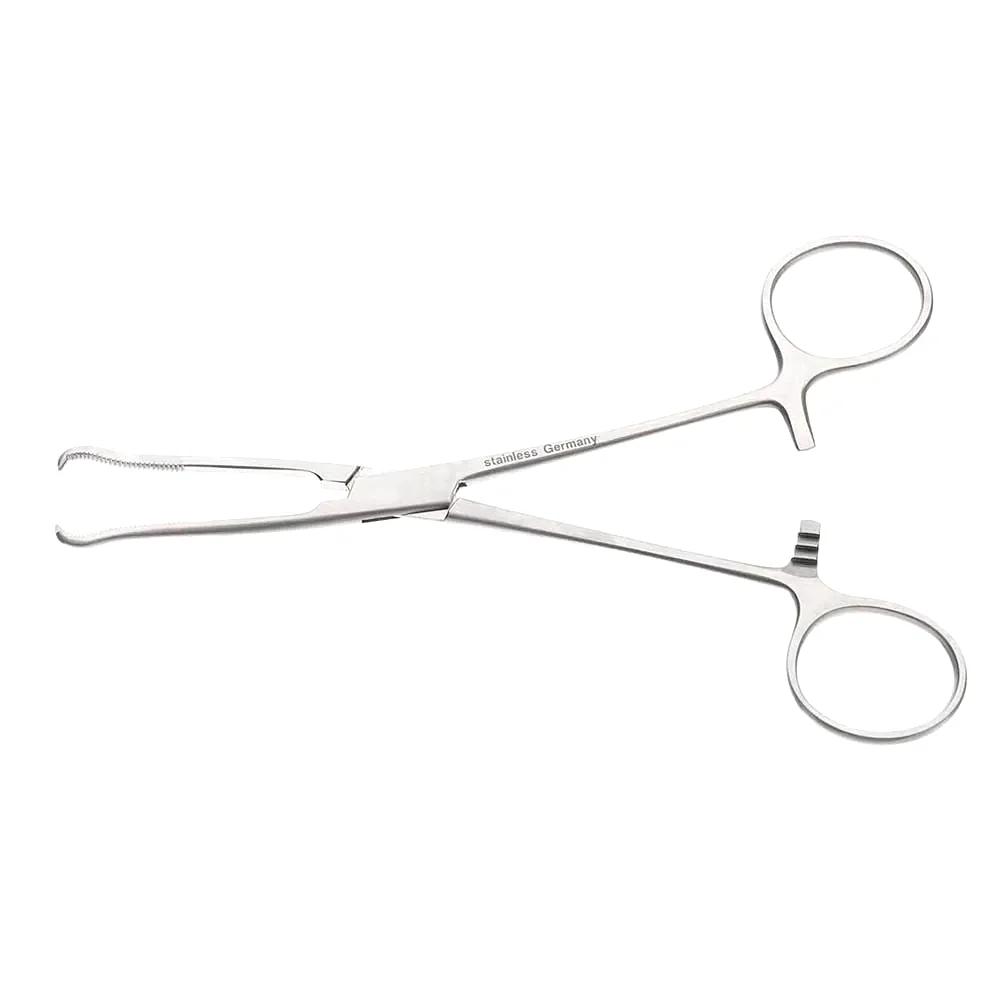
Locke Phalangeal Bone Holding Forceps
Direct Manufacturer Pricing • Tax Exclusive
Locke Phalangeal Bone Holding Forceps are specialized orthopedic instruments designed to grasp and stabilize bone during selected surgical procedures involving the fingers and toes. Their bone-holding function supports controlled positioning during fracture management and other procedures requiring precise skeletal alignment.
All import duties, tariffs & taxes are 100% pre-paid for USA, UK, Canada, EUROPE & Australia (AUS). Zero surprise customs bills at delivery.
Hospital & Volume Procurement Pricing
The Locke Phalangeal Bone Holding Forceps are specialized orthopedic surgical instruments designed to grasp and stabilize bone during procedures involving small skeletal structures. Phalangeal bones are found in the fingers and toes, where accurate positioning is important during selected fracture treatments, reconstructive procedures, and other orthopedic interventions. These forceps help the surgeon maintain control of the bone while performing the required surgical steps.
Purpose and Orthopedic Applications
Bone holding forceps are used in orthopedic surgery to grasp and stabilize bone fragments during fracture reduction, fixation, and related procedures. The Locke Phalangeal Bone Holding Forceps are intended for applications where controlled handling of small bones is required, subject to the specific design and dimensions of the instrument.
Potential applications include selected procedures involving phalangeal fractures, digital reconstruction, and other interventions involving small bones of the hand or foot. The appropriate instrument depends on bone size, fracture configuration, surgical approach, and the surgeon's preferred technique. These forceps may be used alongside compatible orthopedic instruments such as reduction forceps, bone clamps, small-bone retractors, and fixation instruments.
Design and Functional Features
The primary function of phalangeal bone holding forceps is to provide a controlled grip on bone during surgical manipulation. The working ends are intended to engage the bone securely enough to support stabilization while allowing the surgeon to maintain the required position.
The precise jaw pattern, tip shape, locking mechanism, and overall dimensions of the Locke model should be confirmed with the supplier, as these details are not specified in the product title. Depending on the configuration, bone holding forceps may feature specialized gripping surfaces and a handle mechanism designed to maintain a stable hold during the procedure.
Proper instrument selection is important when working with small bones because excessive pressure or inappropriate jaw placement may damage delicate bone structures. The instrument should be used by trained orthopedic professionals in accordance with established surgical techniques.
Material and Construction
Orthopedic bone holding forceps are commonly manufactured from medical-grade stainless steel because of its strength, corrosion resistance, and suitability for repeated reprocessing when the instrument is designed for reuse. However, the precise material grade and surface finish of the Locke Phalangeal Bone Holding Forceps should be confirmed through manufacturer documentation.
Reliable construction is important for maintaining jaw alignment, grip stability, and overall instrument function. Regular inspection can help identify worn gripping surfaces, corrosion, loose joints, deformation, or other damage that could affect performance.
Benefits in Orthopedic Surgery
The Locke Phalangeal Bone Holding Forceps support controlled bone handling during procedures where small skeletal structures require stabilization. Maintaining a stable grip can assist the surgeon during fracture reduction, alignment assessment, and preparation for fixation, depending on the procedure and instrument configuration.
These forceps may be considered for orthopedic, hand surgery, podiatric, and reconstructive instrument inventories where suitable small-bone holding instruments are required. Their use should be determined by the specific clinical application and the characteristics of the bone being treated.
Cleaning, Sterilization, and Maintenance
Reusable bone holding forceps must be cleaned and reprocessed according to the manufacturer's validated instructions and the healthcare facility's infection prevention protocols. Bone and tissue residues should be removed through the specified cleaning process before the required disinfection and sterilization stages.
Before use, inspect the jaws, joint, handles, and locking mechanism, if present, to confirm that the instrument operates correctly. Follow the manufacturer's instructions for approved sterilization methods, cycle parameters, and storage. Proper maintenance helps preserve instrument integrity and service life.
The Locke Phalangeal Bone Holding Forceps are intended for orthopedic applications requiring controlled stabilization of small bones. Before purchasing, confirm the instrument's dimensions, jaw configuration, material, and locking mechanism to ensure it is suitable for the intended surgical application.
Key Features
Specialized orthopedic bone holding instrument.
Designed for controlled stabilization of small bones.
Intended for selected procedures involving phalangeal structures.
Supports bone positioning during fracture reduction and related procedures.
May be used in appropriate hand surgery and foot surgery settings.
Working-end design should be verified with the supplier.
Jaw configuration intended to support controlled bone engagement.
Material grade should be confirmed through manufacturer specifications.
Requires routine inspection for wear, corrosion, and mechanical damage.
Reprocessing must follow manufacturer-validated instructions.
Product Specifications
Specification | Details |
|---|---|
Product Name | Locke Phalangeal Bone Holding Forceps |
Instrument Category | Orthopedic Surgical Instruments |
Instrument Type | Bone Holding Forceps |
Primary Function | Bone grasping and stabilization |
Intended Application | Selected small-bone and phalangeal procedures |
Surgical Specialty | Orthopedics, hand surgery, and podiatry |
Material | Not specified; confirm with supplier |
Jaw Configuration | Not specified |
Overall Length | Not specified |
Locking Mechanism | Confirm with supplier |
Reusability | Confirm product labeling |
Sterilization | Follow manufacturer instructions |
Intended Users | Qualified surgical professionals |
Frequently Asked Questions
1. What are Locke Phalangeal Bone Holding Forceps used for?
They are intended to grasp and stabilize bone during selected orthopedic procedures involving small bones, including phalangeal structures, when the instrument's design is appropriate.
2. What are phalangeal bones?
Phalangeal bones are the bones of the fingers and toes. They support movement and function in the hands and feet and may require surgical stabilization following certain fractures or injuries.
3. Can phalangeal bone holding forceps be used for fracture reduction?
Suitable bone holding forceps may assist with maintaining the position of bone fragments during fracture reduction. The correct instrument depends on the fracture pattern, bone size, and surgical technique.
4. What material is used to manufacture bone holding forceps?
Orthopedic bone holding forceps are commonly made from medical-grade stainless steel. The exact material used in the Locke model should be verified with the manufacturer or supplier.
5. Are Locke Phalangeal Bone Holding Forceps reusable?
Their reusable or disposable status depends on the specific model. Check the manufacturer's labeling and validated reprocessing instructions before use.
6. How should bone holding forceps be sterilized?
Follow the manufacturer's validated cleaning and sterilization instructions and the healthcare facility's approved reprocessing protocol. The appropriate method depends on the instrument's construction and material.
7. What should buyers check before ordering these orthopedic forceps?
Confirm the overall length, jaw configuration, gripping mechanism, material grade, locking features, and intended surgical application to ensure the instrument meets clinical requirements.