
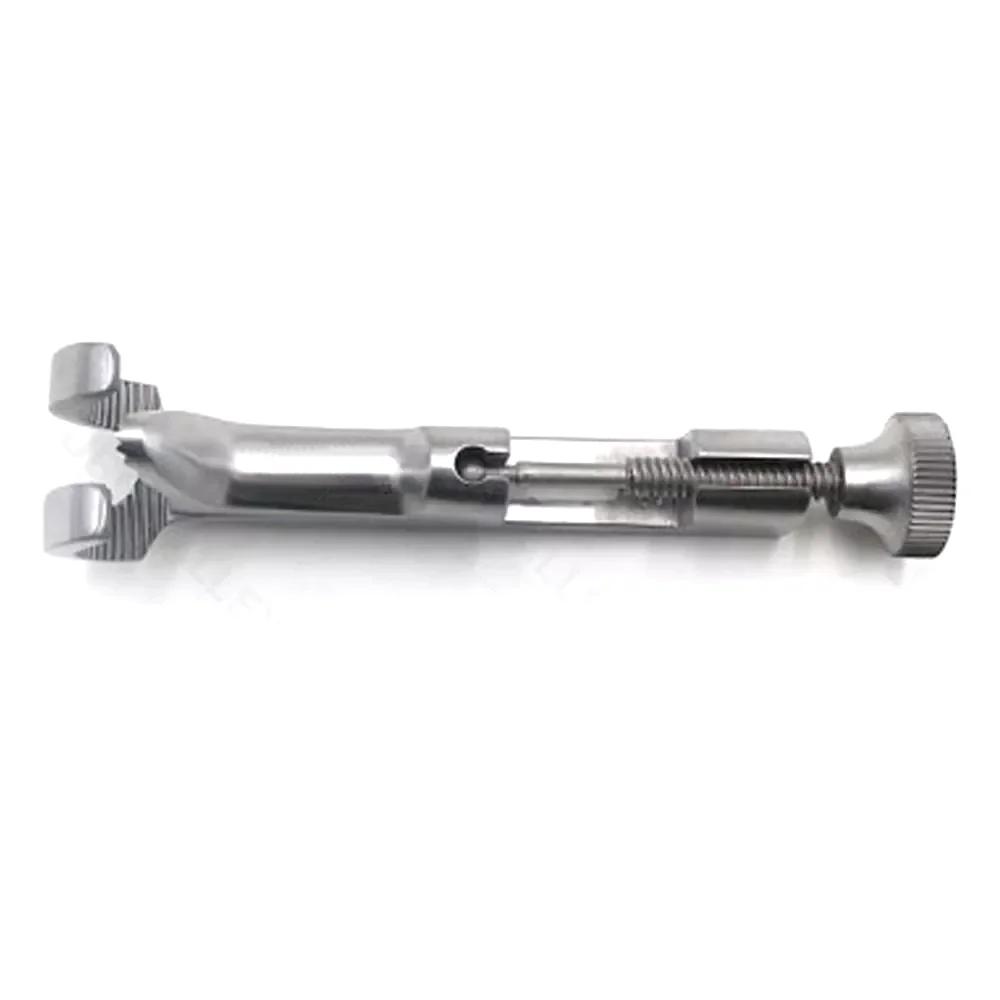
Lowman Bone Holding Clamp – Orthopedic Surgical Instrument
Direct Manufacturer Pricing • Tax Exclusive
The Lowman Bone Holding Clamp is an orthopedic surgical instrument designed to hold and stabilize bone during selected surgical procedures. Its gripping mechanism supports controlled positioning when preparing bone for alignment, fixation, or other appropriate operative steps. Exact dimensions, jaw configuration, and material specifications should be confirmed with the manufacturer.
All import duties, tariffs & taxes are 100% pre-paid for USA, UK, Canada, EUROPE & Australia (AUS). Zero surprise customs bills at delivery.
Hospital & Volume Procurement Pricing
The Lowman Bone Holding Clamp is a specialized orthopedic instrument used to assist with holding and stabilizing bone during appropriate surgical procedures. Bone-holding clamps help surgical professionals maintain control of bone fragments or selected bone structures while performing tasks such as fracture reduction, alignment, and preparation for fixation. The instrument's suitability depends on its specific design, dimensions, and intended use.
Stable bone positioning can be important during orthopedic procedures because it allows the surgical team to maintain the desired alignment while carrying out subsequent steps. A bone-holding clamp provides a mechanical gripping method that can help retain a selected position when applied correctly. The Lowman pattern should be verified against the manufacturer's documentation to establish its precise configuration and recommended applications.
Design and Gripping Function
The clamp's jaws are designed to engage bone and provide controlled holding during an appropriate procedure. Jaw shape, tip profile, gripping surface, and opening range influence how the instrument contacts bone and how it can be positioned in the operative field. These features may vary between models, so the exact jaw configuration of this Lowman Bone Holding Clamp should be confirmed before purchase.
A suitable clamp must match the size and shape of the bone being handled. The amount of force applied should be appropriate for the bone and the surgical task. Improper selection or excessive clamping pressure may damage bone or surrounding tissues. The instrument should therefore be used by qualified professionals in accordance with clinical judgment and the manufacturer's instructions.
Orthopedic Surgical Applications
Bone-holding clamps are used in selected orthopedic procedures to assist with temporary stabilization and manipulation of bone. Depending on its design and approved indications, the Lowman Bone Holding Clamp may be considered for appropriate bone-holding tasks during fracture management or other orthopedic operations.
Not every bone clamp is suitable for every anatomical location or fixation technique. The surgeon must consider bone dimensions, access requirements, the desired holding force, and compatibility with the planned procedure when selecting the instrument.
Handling and Instrument Control
The handle and joint design influence how a clamp opens, closes, and maintains its grip. Some bone-holding clamps use a locking mechanism to retain the selected position, but the presence and configuration of a locking feature on this specific model are not confirmed by the product title.
Before use, the clamp should be checked for smooth operation, appropriate jaw alignment, and secure engagement. Any instrument showing damage, excessive wear, or unreliable gripping action should be removed from service according to facility procedures.
Material and Construction
The product title does not identify the material or grade used in this instrument. Orthopedic clamps are commonly manufactured from medical-grade stainless steel, but the exact material of this model must be confirmed with the supplier. Buyers should verify the alloy, surface finish, corrosion resistance, and available technical documentation rather than assuming a particular grade or certification.
Cleaning, Sterilization, and Maintenance
If supplied as a reusable instrument, the Lowman Bone Holding Clamp must be cleaned, inspected, and sterilized according to the manufacturer's validated instructions. Hinges, joints, jaws, and locking components should receive particular attention during cleaning and inspection. Confirm that the instrument is compatible with the intended reprocessing method before use.
The Lowman Bone Holding Clamp is an option for orthopedic instrument inventories requiring a dedicated bone-gripping instrument. Verifying its dimensions, jaw design, locking mechanism, material, and intended applications helps ensure that it meets the requirements of the intended surgical setting.
Key Features
Lowman-pattern bone-holding clamp
Designed for controlled bone gripping and stabilization
Intended for selected orthopedic surgical applications
Supports temporary positioning of bone during appropriate procedures
Jaw shape and gripping surface require model-specific confirmation
Handle and joint design support manual operation
Locking mechanism details are not specified
Material grade should be confirmed with the supplier
Requires inspection before each use
Cleaning and sterilization must follow manufacturer instructions
Product Specifications
Specification | Details |
|---|---|
Product Name | Lowman Bone Holding Clamp |
Instrument Category | Orthopedic surgical instrument |
Instrument Type | Bone-holding clamp |
Pattern | Lowman |
Overall Length | Not specified |
Jaw Configuration | Not specified |
Jaw Opening | Not specified |
Locking Mechanism | Not specified |
Material | Not specified; confirm with manufacturer |
Finish | Not specified |
Intended Application | Bone holding and stabilization during appropriate orthopedic procedures |
Reusability | Confirm with manufacturer |
Sterility Status | Not specified |
Cleaning and Sterilization | Follow manufacturer instructions |
Manufacturer | Not specified |
Frequently Asked Questions
1. What is a Lowman Bone Holding Clamp used for?
It is an orthopedic instrument designed to hold and stabilize bone during selected surgical procedures. Its exact applications depend on the model's design and approved intended use.
2. Is a Lowman Bone Holding Clamp used for fracture reduction?
Bone-holding clamps may assist with positioning or stabilizing bone fragments during selected fracture procedures. Suitability depends on the instrument's design and the surgeon's technique.
3. What type of jaw design does this clamp have?
The exact jaw configuration is not specified in the product title. Consult the manufacturer's catalogue or product images for confirmation.
4. Does the Lowman Bone Holding Clamp have a locking mechanism?
The title does not confirm whether a locking mechanism is present. Verify this feature with the supplier before purchasing.
5. What material is used to manufacture this clamp?
The material grade is not specified. Confirm whether the instrument is made from medical-grade stainless steel or another material documented by the manufacturer.
6. Is this clamp suitable for all bone sizes?
No. The appropriate clamp depends on bone dimensions, jaw opening, gripping requirements, and the intended procedure.
7. Can the Lowman Bone Holding Clamp be reused?
Reusability depends on the manufacturer's specifications. Follow the instrument's instructions for use and validated reprocessing requirements.
8. How should this orthopedic clamp be sterilized?
Follow the manufacturer's validated cleaning and sterilization instructions. Do not assume compatibility with a particular sterilization method without checking the product documentation.
9. What details should be confirmed before ordering?
Verify the overall length, jaw configuration, opening range, locking mechanism, material grade, and intended applications to ensure the instrument matches the required surgical use.