
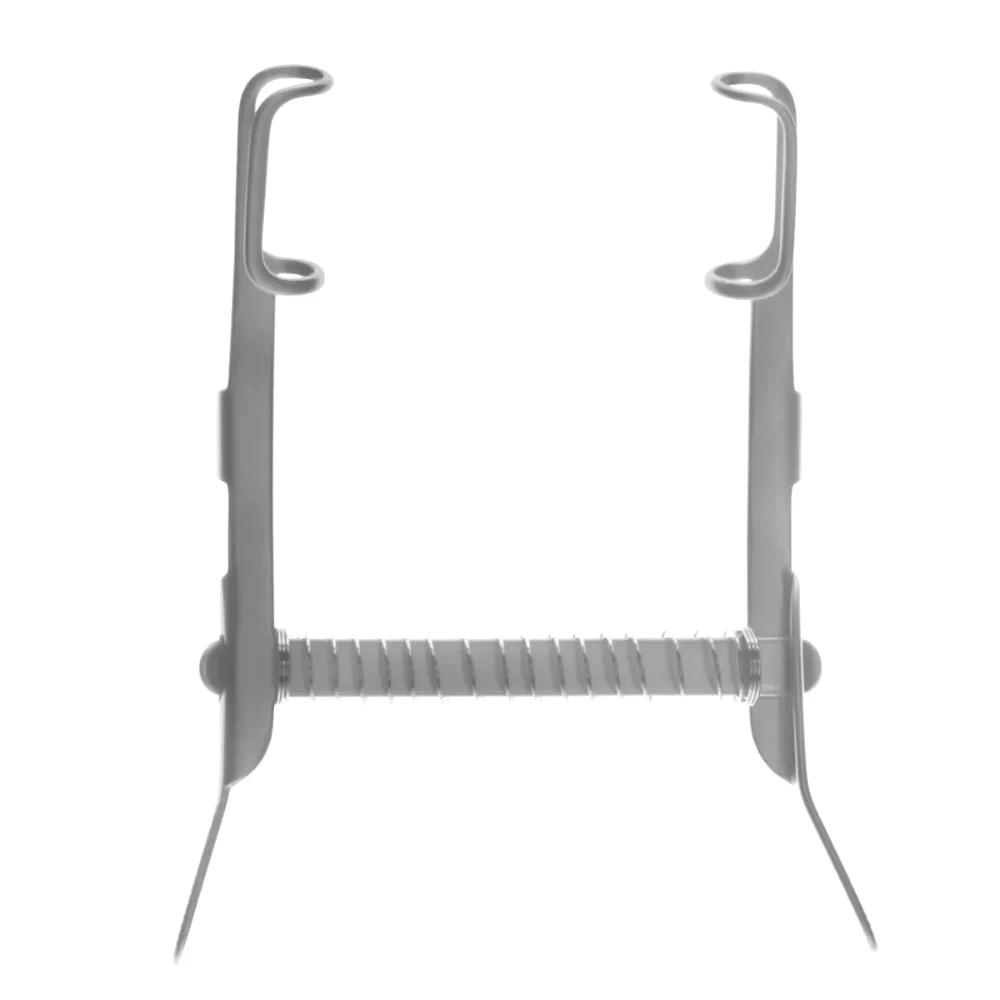
Mellinger Eye Speculum with Fenestrated Blades
Direct Manufacturer Pricing • Tax Exclusive
The Mellinger Eye Speculum with Fenestrated Blades is an ophthalmic instrument designed to retract the eyelids and maintain access to the eye during selected procedures. Its fenestrated blade design features openings in the blade surfaces, providing a distinctive configuration for professional ophthalmic use.
All import duties, tariffs & taxes are 100% pre-paid for USA, UK, Canada, EUROPE & Australia (AUS). Zero surprise customs bills at delivery.
Hospital & Volume Procurement Pricing
The Mellinger Eye Speculum with Fenestrated Blades is an ophthalmic surgical instrument designed to assist with eyelid retraction during eye examinations and selected surgical procedures. By helping keep the eyelids separated, an eye speculum provides access to the ocular area and supports visibility for the ophthalmic professional. Its fenestrated blade design distinguishes it from solid-blade and wire-style specula.
Design and Function
The primary function of an eye speculum is to maintain separation between the eyelids when consistent access to the eye is required. The Mellinger design incorporates fenestrated blades, meaning the blade surfaces contain openings rather than forming completely solid surfaces. This configuration may be preferred in procedures where the specific blade design and contact profile are suited to the practitioner's requirements.
The instrument's precise performance depends on its dimensions, blade shape, opening mechanism, and construction. These specifications should be checked before purchase to ensure the instrument is appropriate for the intended application.
Ophthalmic Applications
Eye specula are used in ophthalmic settings for procedures that require eyelid retraction. Depending on the model's dimensions and design, potential applications may include selected eye examinations and surgical procedures requiring access to the ocular surface. The exact indications for this Mellinger model should be confirmed with the supplier or manufacturer before clinical use.
Fenestrated Blade Design
Fenestrated blades feature openings within the blade surfaces. This design differs from a solid-blade speculum and may affect the instrument's weight, contact surface, and handling characteristics. The appropriate design should be selected according to the procedure, patient requirements, and the preferences of the trained clinician.
A suitable eye speculum should provide the necessary access while allowing careful positioning and controlled contact with the eyelids. The instrument must be handled appropriately to avoid unnecessary pressure or injury to surrounding tissues.
Handling and Instrument Care
Before use, inspect the blades and connecting components for damage, distortion, sharp edges, or other defects that could interfere with performance. Confirm that the instrument opens and closes correctly if its design includes a movable mechanism. Only trained medical professionals should select and use ophthalmic instruments in accordance with established clinical protocols.
Cleaning, disinfection, and sterilization must follow the manufacturer's validated instructions. The material, sterilization compatibility, and reusable status of this specific model are not established by the product title and should be confirmed before use. Appropriate storage after processing helps protect the blade surfaces and maintain instrument condition.
Choosing the Appropriate Eye Speculum
When purchasing a Mellinger Eye Speculum with Fenestrated Blades, consider the overall length, blade dimensions, opening range, material, and intended procedure. Confirming these details helps ensure that the selected instrument matches the requirements of the ophthalmic setting.
This instrument may be suitable for professional ophthalmic instrument inventories when its verified specifications meet the user's clinical and operational needs.
Key Features
Mellinger-style ophthalmic eye speculum
Fenestrated blade configuration
Designed to assist with eyelid retraction
Helps maintain access to the ocular area
Supports visibility during selected eye procedures
Blade openings distinguish it from solid-blade designs
Intended for professional ophthalmic settings
Requires appropriate handling by trained medical professionals
Cleaning and sterilization should follow manufacturer instructions
Exact dimensions and material should be verified before purchase
Product Specifications
Specification | Details |
|---|---|
Product Name | Mellinger Eye Speculum |
Instrument Type | Ophthalmic surgical instrument |
Specialty | Ophthalmology |
Blade Design | Fenestrated |
Primary Function | Eyelid retraction |
Blade Configuration | Blades with openings |
Material | Not specified |
Overall Length | Not specified |
Blade Dimensions | Not specified |
Opening Mechanism | Not specified |
Reusable Status | Confirm with supplier |
Sterilization Compatibility | Confirm with manufacturer |
Intended User | Trained ophthalmic professionals |
Frequently Asked Questions
1. What is a Mellinger Eye Speculum used for?
It is designed to retract the eyelids and help maintain access to the eye during selected ophthalmic examinations and procedures.
2. What are fenestrated blades?
Fenestrated blades have openings in their surfaces, distinguishing them from solid-blade designs.
3. How does a fenestrated eye speculum differ from a solid-blade speculum?
The main difference is the blade construction. Fenestrated blades contain openings, while solid blades have continuous surfaces. The preferred design depends on the procedure and clinician's requirements.
4. Is this speculum used in ophthalmic surgery?
Eye specula are used in ophthalmic procedures, but the suitability of this specific model should be verified for the intended application.
5. What material is this instrument made from?
The material is not specified in the product title. Contact the supplier for confirmed material details.
6. What are the dimensions of the Mellinger Eye Speculum?
The overall length and blade measurements are not provided. Confirm these specifications before ordering.
7. Is the Mellinger Eye Speculum reusable?
The product title does not establish whether it is reusable. Follow the manufacturer's instructions for use and reprocessing.
8. Can this instrument be sterilized?
Sterilization compatibility depends on the instrument's material and manufacturer guidance. Use only validated cleaning and sterilization procedures.
9. Who should use this ophthalmic instrument?
It is intended for appropriately trained ophthalmic professionals working within their clinical scope and established procedures.
10. What should I check before purchasing?
Verify the blade dimensions, overall length, opening mechanism, material, intended applications, reuse status, and sterilization instructions.