
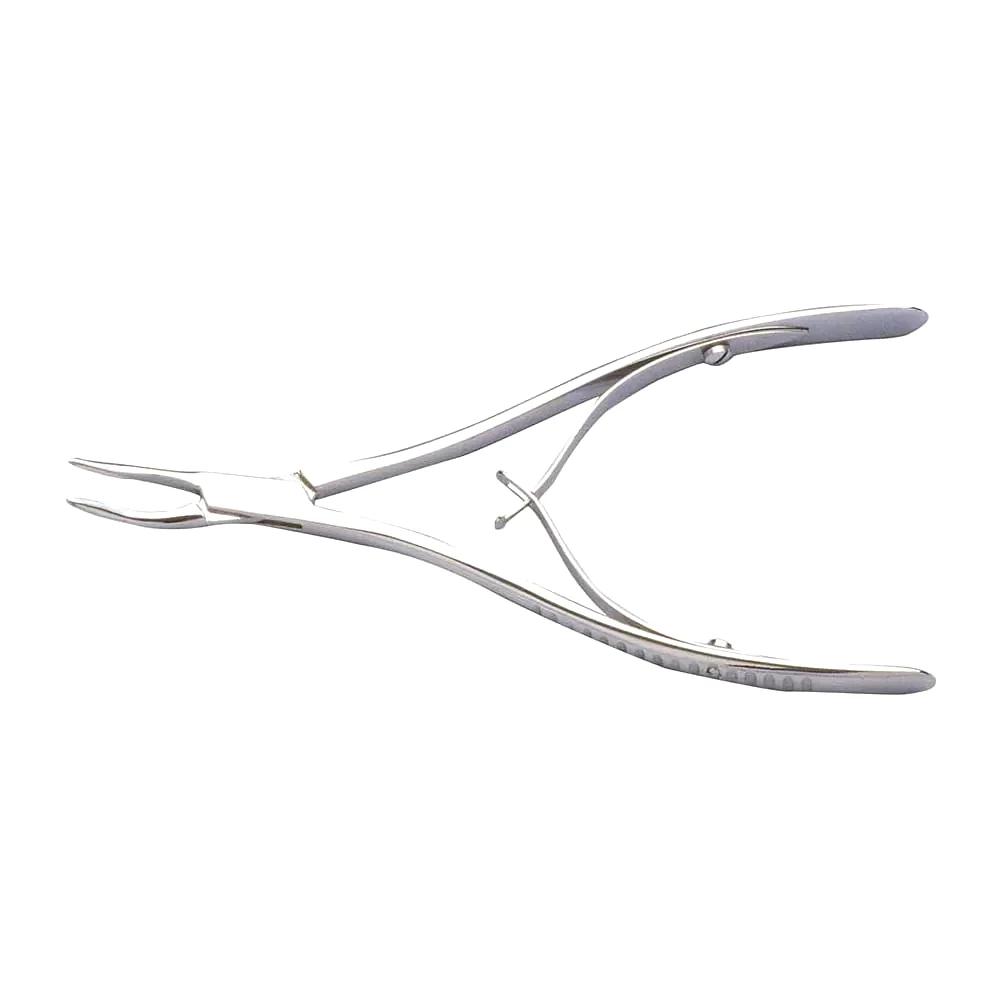
Micro Rongeur – Precision Surgical Bone Instrument
Direct Manufacturer Pricing • Tax Exclusive
The Micro Rongeur is a specialized surgical instrument designed for controlled removal of small bone fragments during selected neurosurgical, orthopedic, and other surgical procedures. Its compact working-end design supports precise bone removal in confined operative areas where careful handling is essential.
All import duties, tariffs & taxes are 100% pre-paid for USA, UK, Canada, EUROPE & Australia (AUS). Zero surprise customs bills at delivery.
Hospital & Volume Procurement Pricing
The Micro Rongeur is a precision surgical instrument used to remove small pieces of bone during procedures that require controlled bone trimming or access to specific anatomical structures. Designed for delicate surgical applications, a micro rongeur typically features compact cutting jaws that allow surgeons to remove bone incrementally while maintaining control over the working area. Its suitability depends on the specific jaw configuration, dimensions, and intended use.
Surgical Applications
Micro rongeurs are commonly associated with procedures that require precise bone removal in restricted surgical spaces. Depending on the instrument design, applications may include selected neurosurgical procedures, spinal surgery, and other operations where controlled removal of small bone fragments is necessary.
In neurosurgery, compatible rongeurs may be used to remove small portions of bone during surgical exposure. In orthopedic and spinal procedures, appropriately designed models can assist with trimming bone or removing small bone fragments when indicated by the surgical technique. The exact application should always be determined by the instrument's design and the clinical requirements of the procedure.
Design and Working-End Features
The Micro Rongeur is designed to provide controlled engagement with bone through a compact cutting mechanism. Rongeurs generally feature opposing jaws that remove small amounts of bone when the handles are compressed. The jaw shape, opening size, cutting profile, and instrument length influence access and performance.
Depending on the model, a micro rongeur may have straight or angled jaws to accommodate different operative approaches. Some designs incorporate a spring mechanism to assist with handle reopening after compression. These features vary by manufacturer and should not be assumed without reviewing the product specifications.
The handle is intended to support stable gripping and controlled movement during use. Smooth articulation and accurately aligned cutting jaws are important for consistent operation. The cutting edges should be inspected regularly to ensure they remain in appropriate condition.
Material and Construction
Surgical rongeurs are commonly manufactured from medical-grade stainless steel because it offers strength, corrosion resistance, and suitability for professional surgical environments. The precise material grade and construction of this Micro Rongeur should be confirmed with the manufacturer.
Durable construction is important because rongeurs apply mechanical force during bone removal. The joint, handles, and cutting jaws must function together correctly to support controlled operation. Regular inspection can help identify wear, jaw misalignment, corrosion, or other damage that could affect performance.
Benefits in Surgical Practice
The Micro Rongeur provides a specialized option for surgical teams requiring a compact instrument for localized bone removal. Its small working end may help improve access in restricted operative areas and support incremental removal when a larger rongeur would be unsuitable.
Choosing an appropriate jaw design can help the surgeon work more effectively within the operative field. A well-maintained cutting mechanism also supports consistent handling. However, instrument selection should be based on the specific procedure, anatomical structures, required bone-removal capacity, and surgeon preference.
The instrument should be used only by qualified healthcare professionals trained in the relevant surgical technique. Careful handling and appropriate force are essential to avoid unintended tissue injury or instrument damage.
Cleaning, Sterilization, and Maintenance
Reusable Micro Rongeurs must be cleaned, inspected, and sterilized according to the manufacturer's validated instructions and the healthcare facility's infection-prevention protocols. Remove biological residue promptly after use, paying particular attention to the cutting jaws, joint, and any spring or moving components.
After cleaning, inspect the cutting edges for damage, dullness, or misalignment. Check the joint for smooth movement and confirm that the handles and reopening mechanism, if present, function correctly. Use only approved cleaning agents and sterilization cycles compatible with the specific instrument.
Proper maintenance, careful handling, and suitable storage help preserve instrument performance and serviceability. Before purchasing, verify the jaw configuration, overall length, material, intended application, and reusable status to ensure the Micro Rongeur meets the requirements of the intended surgical setting.
Key Features
Precision surgical instrument for controlled bone removal
Designed to remove small bone fragments
Suitable for selected neurosurgical and orthopedic applications
Compact working-end design for restricted operative spaces
Opposing cutting jaws for incremental bone removal
Straight or angled configurations may be available
Spring-assisted reopening may be included, depending on the model
Medical-grade stainless steel is commonly used; verify exact material
Requires regular inspection of cutting edges and moving components
Cleaning and sterilization must follow manufacturer instructions
Product Specifications
Specification | Details |
|---|---|
Product Name | Micro Rongeur |
Instrument Category | Surgical bone-removal instrument |
Primary Function | Controlled removal of small bone fragments |
Surgical Applications | Selected neurosurgical, spinal, and orthopedic procedures |
Jaw Configuration | Not specified |
Jaw Shape | Straight or angled, depending on model |
Cutting Mechanism | Opposing cutting jaws |
Spring Mechanism | Confirm with manufacturer |
Material | Verify with manufacturer |
Overall Length | Not specified |
Reusable Status | Confirm with manufacturer |
Cleaning and Sterilization | Follow validated manufacturer instructions |
Intended Users | Qualified healthcare professionals |
FAQs
1. What is a Micro Rongeur used for?
A Micro Rongeur is used to remove small pieces of bone during surgical procedures that require controlled bone trimming or localized bone removal.
2. Is a Micro Rongeur used in neurosurgery?
Yes, appropriately designed micro rongeurs may be used in selected neurosurgical procedures where precise removal of small bone fragments is required.
3. What is the difference between a Micro Rongeur and a standard Rongeur?
A micro rongeur generally has a smaller working-end profile intended for delicate or restricted surgical areas. Exact differences depend on jaw dimensions, cutting capacity, and instrument design.
4. Are Micro Rongeurs available with straight and angled jaws?
Many rongeur product ranges include straight and angled patterns. Availability and suitability depend on the manufacturer's specific models.
5. What material is used to manufacture a Micro Rongeur?
Medical-grade stainless steel is commonly used for surgical rongeurs. The exact material grade of an individual model should be confirmed with the supplier.
6. How should a Micro Rongeur be cleaned and sterilized?
Follow the manufacturer's validated cleaning and sterilization instructions. Carefully clean the jaws and joint, inspect the cutting edges, and use only approved processing methods.
7. What should I check before purchasing a Micro Rongeur?
Confirm the jaw shape, jaw dimensions, overall length, cutting mechanism, material, intended surgical application, and reusable status to ensure the instrument matches your clinical requirements.