
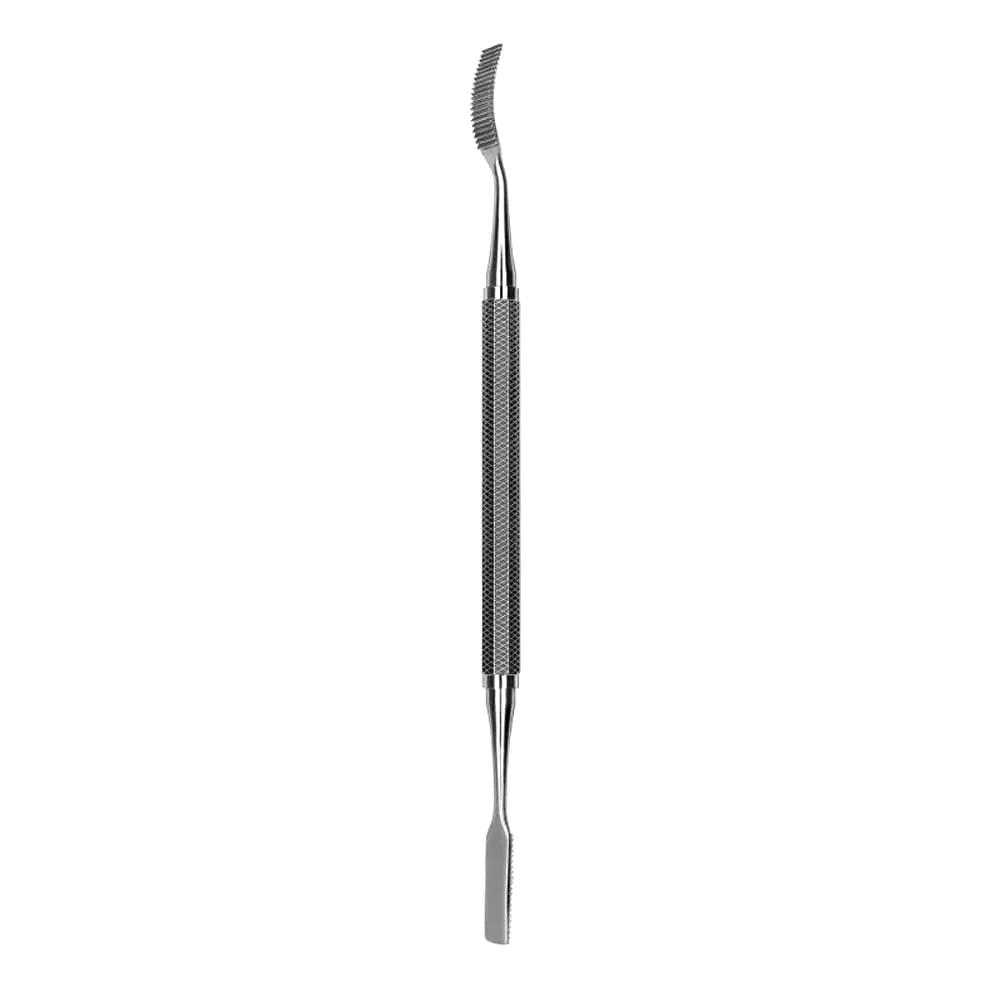
Miller Bone File – Surgical Bone Smoothing Instrument
Direct Manufacturer Pricing • Tax Exclusive
The Miller Bone File is a surgical instrument designed to help smooth and refine bone surfaces during appropriate procedures. Its working surface supports controlled filing and contouring by trained surgical professionals when precise bone finishing is required.
All import duties, tariffs & taxes are 100% pre-paid for USA, UK, Canada, EUROPE & Australia (AUS). Zero surprise customs bills at delivery.
Hospital & Volume Procurement Pricing
The Miller Bone File is a specialized surgical instrument used for smoothing and refining bone surfaces during selected surgical procedures. Bone files help remove minor irregularities and improve surface contours after bone has been cut, shaped, or otherwise prepared. The exact function and suitability of this Miller pattern depend on its working-end design and the manufacturer's specifications.
Designed for professional surgical environments, a bone file provides a manual method of controlled bone finishing. Selecting the appropriate instrument requires consideration of the working surface, overall dimensions, handle design, and the anatomical area being treated.
Surgical Applications
Bone files are used in appropriate orthopedic, oral and maxillofacial, and other surgical procedures where bone-surface refinement is required. Depending on its size and design, a Miller Bone File may be suitable for smoothing accessible bone edges or refining contours as part of a broader surgical technique.
The intended application should be confirmed with the supplier because the product title does not specify the file's exact profile or specialty designation. Instrument selection should always reflect the procedure, anatomical site, and professional requirements.
Working Surface and Filing Action
The working surface of a bone file is designed to contact bone and help reduce small irregularities through controlled manual strokes. Its texture and geometry influence the filing action, while the shape of the working end affects access to the treatment area.
The file should be selected to match the required degree of refinement and the available surgical access. The working surface should be inspected before use to ensure it is clean and free from visible damage or excessive wear.
Handle Design and Control
A suitable handle supports a stable grip and controlled movement during bone finishing. Effective handling is important because excessive pressure or unsuitable filing technique may remove more bone than intended or affect surrounding structures.
The handle style, overall length, working-end dimensions, and file pattern are not specified in the product title. These details should be verified with the supplier before ordering to ensure the instrument meets the intended procedural requirements.
Material and Construction
The material grade is not identified in the product title. Surgical bone files are commonly manufactured from medical-grade stainless steel, but the actual material, surface finish, and construction of this instrument must be confirmed with the manufacturer or supplier.
Reliable construction and a properly finished working surface are important for consistent instrument handling. Routine inspection can help identify corrosion, bending, wear, or damage that could affect performance.
Cleaning, Sterilization, and Maintenance
Reusable bone files must be cleaned, inspected, and sterilized according to the manufacturer's validated instructions. The filing surface requires particular attention because bone debris and other residues may remain between textured areas.
After cleaning, inspect the working surface and handle for damage or wear. Use only reprocessing methods approved for the specific instrument. Confirm reusability and sterilization compatibility with the manufacturer rather than assuming the instrument supports every sterilization method.
Key Features
Miller pattern surgical bone file
Designed for bone-surface smoothing and refinement
Supports controlled manual filing
Suitable for selected surgical bone-finishing tasks
Working-surface design influences filing performance
Handle configuration should be confirmed with the supplier
Intended application depends on instrument dimensions and design
Material grade and finish require verification
Requires inspection for wear and working-surface damage
Cleaning and sterilization must follow manufacturer instructions
Product Specifications
Specification | Details |
|---|---|
Product Name | Miller Bone File |
Instrument Category | Surgical bone file |
Primary Function | Bone smoothing and surface refinement |
Working-End Pattern | Miller pattern; confirm exact design |
Intended Application | Selected surgical bone-finishing procedures |
Overall Length | Not specified |
Working-End Dimensions | Not specified |
Handle Design | Not specified |
Material | Not specified; confirm with supplier |
Sterilization Compatibility | Follow manufacturer instructions |
Reusability | Confirm with manufacturer |
Packaging | Confirm with supplier |
Frequently Asked Questions
1. What is a Miller Bone File used for?
A Miller Bone File is intended to help smooth and refine bone surfaces during appropriate surgical procedures. Its exact application depends on the instrument's design and manufacturer specifications.
2. How does a bone file work?
A bone file uses a textured working surface to remove minor bone irregularities through controlled manual filing movements performed by a trained professional.
3. Which surgical specialties use bone files?
Bone files may be used in selected orthopedic, oral and maxillofacial, and other surgical procedures where bone-surface refinement is required. The specific Miller pattern should be matched to the intended procedure.
4. What is the Miller pattern?
“Miller” identifies the instrument pattern, but the precise working-end geometry and dimensions should be confirmed from the supplier's product specifications or photographs.
5. What material is the Miller Bone File made from?
The product title does not specify the material. Confirm the material grade and finish with the supplier before purchasing.
6. Is the Miller Bone File reusable?
Reusability depends on the specific product. Check the manufacturer's instructions for approved cleaning, inspection, and sterilization procedures.
7. How should a surgical bone file be cleaned?
Follow the manufacturer's validated reprocessing instructions and carefully clean the textured filing surface to remove retained debris. Inspect the instrument after cleaning.
8. What should I confirm before ordering a Miller Bone File?
Verify the overall length, working-end dimensions, filing-surface design, handle configuration, material, intended application, and sterilization compatibility.