
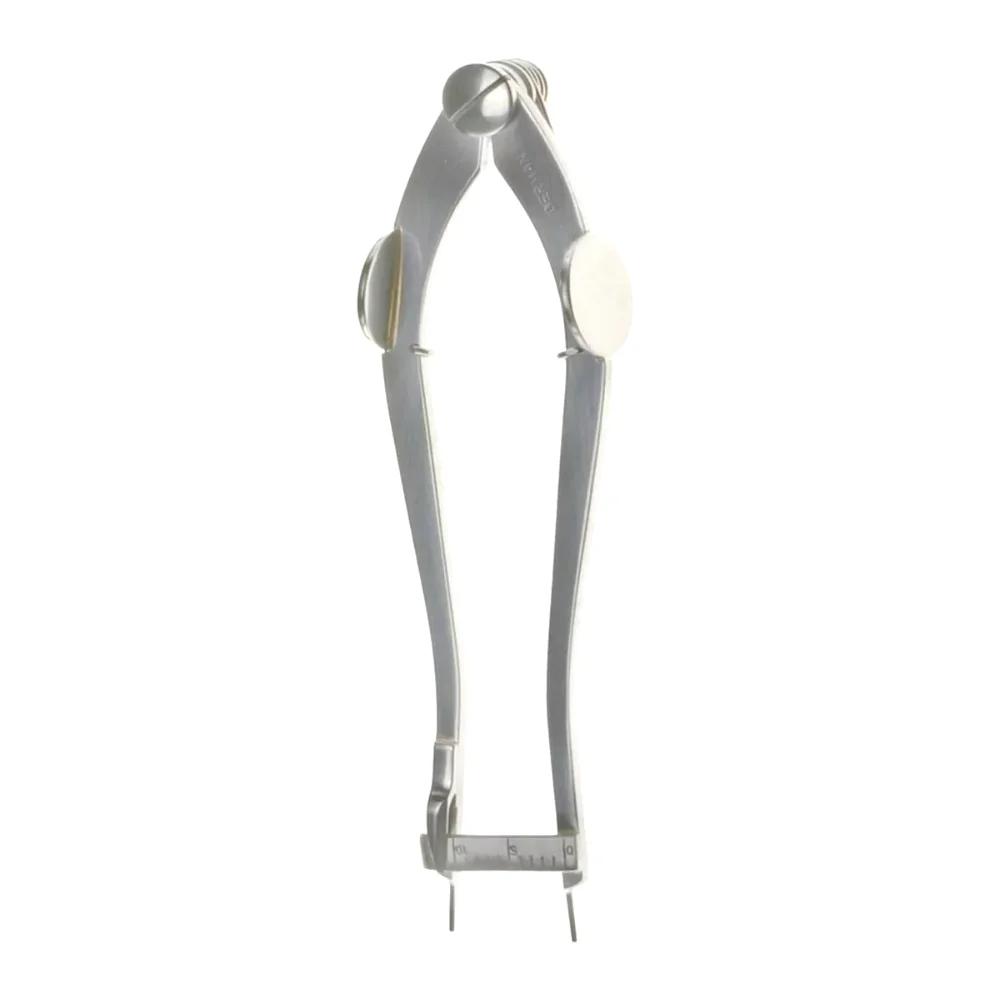
Osher Internal Caliper – Surgical Measuring Instrument
Direct Manufacturer Pricing • Tax Exclusive
The Osher Internal Caliper is a specialized surgical measuring instrument designed to assess internal distances or dimensions where its specific configuration is appropriate. Its design supports controlled handling and measurement during professional procedures. Confirm the instrument's intended application, measuring range, and material specifications before purchase.
All import duties, tariffs & taxes are 100% pre-paid for USA, UK, Canada, EUROPE & Australia (AUS). Zero surprise customs bills at delivery.
Hospital & Volume Procurement Pricing
The Osher Internal Caliper is a precision measuring instrument intended for specialized surgical applications requiring the assessment of internal distances or dimensions. Surgical calipers help qualified professionals obtain measurements that support procedural planning and instrument selection. The precise application of this model should be confirmed against the manufacturer's product documentation.
Internal calipers generally use two measuring tips or contact points to assess a distance between internal surfaces. Depending on the design, the instrument may include a mechanism for adjusting the tips and reading or retaining a measurement. However, the exact configuration, scale, and measurement method of the Osher Internal Caliper should be verified before use.
Instrument Design and Handling
A surgical caliper must allow controlled positioning of its measuring points at the intended measurement location. The design of the tips, adjustment mechanism, and handle can influence how the instrument is positioned and read. For the Osher Internal Caliper, specific details such as tip shape, scale markings, locking mechanism, and overall length are not provided in the product title.
These features should be assessed according to the intended clinical application. Trained healthcare professionals should follow the manufacturer's instructions for positioning the instrument, reading measurements, and handling it during a procedure. Accurate measurement also depends on appropriate technique, instrument condition, and the anatomical context.
Material and Construction
The product title does not specify the construction material. Surgical measuring instruments are often manufactured from materials selected for strength, dimensional stability, corrosion resistance, and compatibility with appropriate cleaning procedures. The exact material and any applicable grade or finish should be confirmed with the supplier.
Maintaining the condition of the measuring tips and adjustment mechanism is important for dependable use. Bending, wear, corrosion, or damage to the measurement components may affect instrument function. The caliper should be inspected before use and removed from service if its condition raises concerns.
Applications in Professional Healthcare Settings
Internal calipers are used when a procedure calls for measurement between internal surfaces or structures. The appropriate use of the Osher Internal Caliper depends on its exact design and the manufacturer's stated indication. It should not be assigned to a specific surgical specialty or procedure without product-specific confirmation.
Healthcare facilities should confirm the intended application, measurement range, scale units, and method of reading the instrument before incorporating it into a clinical workflow. Where measurement accuracy is important, the instrument should be used according to established clinical protocols and the manufacturer's instructions.
Cleaning, Sterilization, and Maintenance
Before clinical use, verify whether the instrument is reusable or intended for single use. If it is reusable, cleaning, inspection, and sterilization must follow the manufacturer's validated instructions and the facility's infection-prevention protocols. The product title alone does not establish a particular sterilization method.
During inspection, check the measuring tips, scale markings if present, and any adjustment or locking mechanism. The instrument should move and function as specified by the manufacturer. Appropriate handling, storage, and maintenance help preserve the instrument's condition.
The Osher Internal Caliper is a specialized option for professional settings that require surgical measurement. Confirming its intended use, material, measurement range, scale, and maintenance requirements will help determine whether it meets the needs of the intended application.
Key Features
Specialized surgical measuring instrument
Designed for internal measurement applications
Supports assessment of distances between internal surfaces
Measuring-tip configuration depends on the specific model
Scale and measurement range require confirmation
Adjustment or locking mechanism not specified
Material and finish should be verified with the supplier
Intended application should follow manufacturer documentation
Inspect measuring components before use
Cleaning and sterilization depend on the product designation and manufacturer instructions
Product Specifications
| Specification | Details |
|---|---|
| Product Name | Osher Internal Caliper |
| Instrument Category | Surgical measuring instrument |
| Primary Function | Internal distance or dimension measurement |
| Intended Specialty | Confirm with manufacturer |
| Measuring Range | Not specified |
| Scale Units | Not specified |
| Tip Design | Confirm with supplier |
| Adjustment Mechanism | Not specified |
| Locking Mechanism | Not specified |
| Overall Length | Not specified |
| Material | Not specified |
| Reusable or Single-Use | Confirm with manufacturer |
| Sterilization Requirements | Follow manufacturer instructions and product designation |
| Intended Users | Qualified healthcare professionals |
Frequently Asked Questions
1. What is an Osher Internal Caliper used for?
It is a specialized measuring instrument intended for internal measurement applications. Its exact purpose should be confirmed using the manufacturer's product information.
2. How does an internal caliper work?
Internal calipers generally use measuring tips or contact points to assess the distance between internal surfaces. The method of adjustment and reading depends on the particular instrument design.
3. What is the measuring range of the Osher Internal Caliper?
The measuring range is not specified in the product title. Confirm the minimum and maximum measurement values with the supplier.
4. Does this caliper have a measurement scale?
The title does not confirm whether the instrument has graduated markings, a numerical display, or another reading method. Check the product specifications.
5. What material is the Osher Internal Caliper made from?
The material is not identified in the title. Request the manufacturer's material and finish specifications before purchasing.
6. Is the Osher Internal Caliper suitable for every surgical specialty?
Suitability depends on the instrument's design and intended indication. Confirm the approved or specified application with the manufacturer.
7. Can the caliper be sterilized?
That depends on whether it is reusable and on its validated processing instructions. Follow the manufacturer's cleaning and sterilization guidance.
8. How should an internal caliper be maintained?
Inspect the measuring tips, markings, and any adjustment mechanism for damage or wear. Follow the manufacturer's instructions for cleaning, storage, and maintenance.
9. What information should I confirm before ordering?
Verify the intended application, measuring range, scale units, tip design, overall length, material, and reusable or single-use designation.