
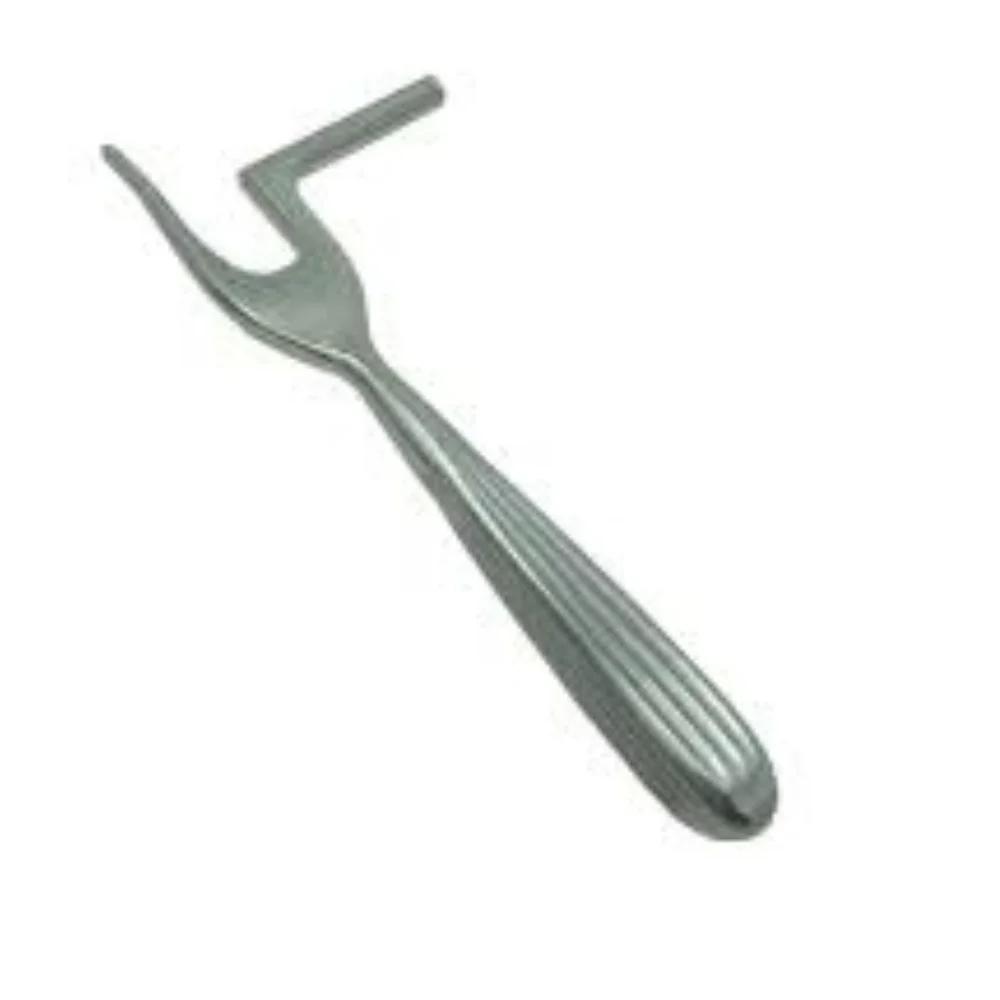
Quisling Intranasal Hammer
Direct Manufacturer Pricing • Tax Exclusive
The Quisling Intranasal Hammer is a specialized ENT surgical instrument intended for use during selected nasal surgical procedures that require controlled impact with a compatible surgical tool. Its design supports precise instrument handling by trained medical professionals. Confirm the hammer's dimensions, material, and intended applications with the supplier before ordering.
All import duties, tariffs & taxes are 100% pre-paid for USA, UK, Canada, EUROPE & Australia (AUS). Zero surprise customs bills at delivery.
Hospital & Volume Procurement Pricing
The Quisling Intranasal Hammer is a specialized instrument associated with ear, nose, and throat (ENT) surgical equipment. It is intended for selected nasal procedures in which controlled tapping or impact may be required when working with compatible surgical instruments. Its specific function depends on the instrument's construction and the procedure being performed.
Intranasal surgical instruments are selected according to the anatomical area, surgical technique, and requirements of the procedure. A dedicated hammer can form part of an ENT instrument collection where controlled force is needed. The Quisling name identifies the instrument style, but the exact design and manufacturer-specific characteristics should be verified before use.
Design and Handling
A surgical hammer generally incorporates a striking head and a handle that allows the operator to guide the instrument during use. The shape, weight, balance, and striking surface influence how the instrument is handled. However, the precise head profile, overall length, weight, and handle configuration of this Quisling Intranasal Hammer are not specified in the product title.
Before purchasing, confirm these details with the supplier to ensure the instrument is appropriate for the intended surgical technique and compatible with the associated instruments. The striking surface and handle should be free from visible damage, deformation, or looseness that could compromise handling.
Applications in ENT Surgery
The Quisling Intranasal Hammer may be included in specialized ENT instrument inventories for selected nasal surgical applications requiring a compatible impact instrument. Its use should be determined by the intended procedure, the manufacturer's instructions, and the judgment of a qualified surgical professional.
The instrument should not be assumed suitable for every nasal procedure or for use with every osteotome, chisel, or other surgical tool. Compatibility, striking technique, and the amount of force applied must be appropriate for the instrument and the clinical application.
Material and Construction
The product title does not specify the material or finish. Surgical hammers may be manufactured using different materials and construction methods, depending on their intended application. Confirm the material, corrosion resistance, surface finish, and compatibility with the required cleaning and reprocessing method before ordering.
A well-maintained instrument should have a stable handle and an intact striking surface. Inspect it before each use and remove it from service if cracks, deformation, corrosion, or other defects are identified.
Cleaning, Sterilization, and Maintenance
Cleaning and sterilization requirements depend on the hammer's materials, construction, and manufacturer-approved instructions. Do not assume that the instrument is supplied sterile or that it is compatible with a particular sterilization process. Follow the manufacturer's validated instructions for cleaning, disinfection, sterilization, inspection, and storage.
After processing, inspect the instrument for damage and ensure it is dry and stored appropriately. Proper handling and maintenance help preserve its condition and support reliable use in the intended clinical setting.
The Quisling Intranasal Hammer is a specialized instrument for selected ENT surgical applications. Before purchase, verify its exact design, dimensions, material, compatibility, and reprocessing requirements to ensure it meets the needs of the intended surgical environment.
Key Features
Specialized instrument for selected ENT surgical applications
Intended for controlled impact tasks with compatible surgical instruments
Suitable for inclusion in specialized nasal surgery instrument inventories
Design details should be confirmed with the supplier
Head profile and striking surface are not specified
Overall length and weight are not specified
Material and finish require verification
Compatibility with other surgical instruments should be confirmed
Inspect the handle and striking surface before use
Cleaning and sterilization must follow manufacturer instructions
Product Specifications
| Specification | Details |
|---|---|
| Product Name | Quisling Intranasal Hammer |
| Instrument Type | Surgical Hammer |
| Specialty | Ear, Nose, and Throat (ENT) |
| Intended Application | Selected nasal surgical procedures |
| Instrument Design | Not specified |
| Head Shape | Not specified |
| Striking Surface | Not specified |
| Overall Length | Not specified |
| Weight | Not specified |
| Material | Not specified |
| Finish | Not specified |
| Reusable Status | Confirm with supplier |
| Sterilization Compatibility | Follow manufacturer instructions |
| Packaging | Not specified |
Frequently Asked Questions
1. What is a Quisling Intranasal Hammer?
The Quisling Intranasal Hammer is a specialized surgical instrument associated with ENT equipment for selected nasal procedures requiring controlled impact with compatible instruments.
2. What is an intranasal hammer used for?
An intranasal hammer may be used for controlled tapping during specific nasal surgical techniques when appropriate for the procedure and compatible with the instrument being struck.
3. Which medical specialty uses this instrument?
It is associated with ear, nose, and throat (ENT) surgery, particularly selected nasal surgical applications.
4. What material is the Quisling Intranasal Hammer made from?
The material is not specified in the product title. Contact the supplier to confirm its construction and finish.
5. What are the dimensions of this hammer?
The overall length, head dimensions, and weight are not provided. Verify these measurements with the supplier before purchasing.
6. Can it be used with any surgical chisel or osteotome?
No universal compatibility should be assumed. Confirm that the hammer is suitable for the specific instrument and surgical technique.
7. Can the Quisling Intranasal Hammer be sterilized?
Sterilization compatibility depends on the instrument's materials and construction. Follow the manufacturer's approved cleaning and sterilization instructions.
8. Is the instrument supplied sterile?
Sterile supply status is not specified. Confirm the packaging and supply condition with the supplier.
9. How should the instrument be maintained?
Inspect the handle and striking surface for damage, follow manufacturer-approved reprocessing instructions, and store the instrument in an appropriate clean, dry environment.
10. What should be confirmed before ordering?
Verify the instrument's dimensions, weight, material, head design, intended application, compatibility with other instruments, and cleaning and sterilization requirements.