
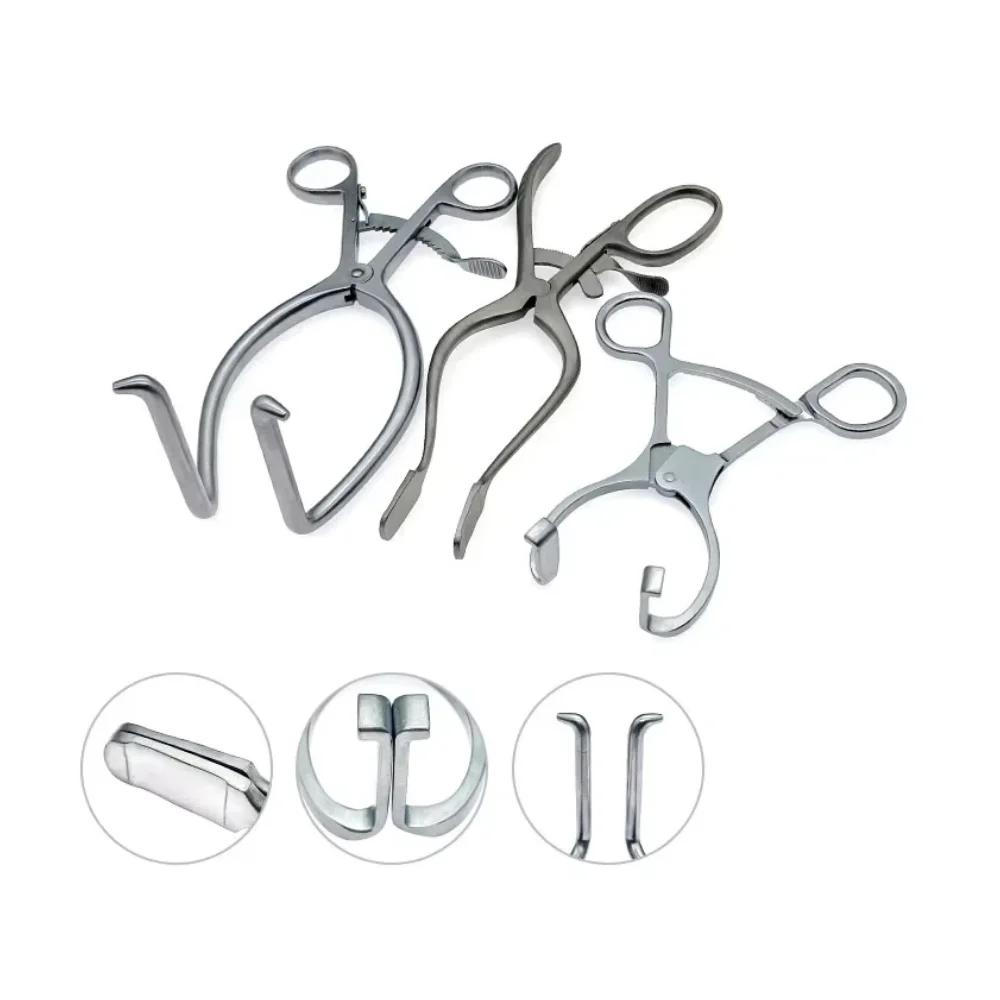
Spinal Retractor Self-Retaining Surgical Set
Direct Manufacturer Pricing • Tax Exclusive
The Spinal Retractor Self-Retaining Set is designed to help maintain surgical exposure during selected spinal procedures. Its self-retaining mechanism helps hold retractor components in position, allowing the surgical team to work within the operative field. Confirm the included components and specifications before purchase.
All import duties, tariffs & taxes are 100% pre-paid for USA, UK, Canada, EUROPE & Australia (AUS). Zero surprise customs bills at delivery.
Hospital & Volume Procurement Pricing
The Spinal Retractor Self-Retaining Set is a specialized surgical instrument set designed to support exposure of the operative field during selected spine procedures. Retractors are used to move and hold soft tissues away from the surgical site, helping provide visibility and access to the anatomical structures being treated. A self-retaining design can maintain the selected retraction position without requiring continuous manual holding, depending on the instrument's construction.
Spinal surgery requires careful management of the operative field because surgeons may work near vertebrae, intervertebral discs, nerves, and surrounding soft tissues. The appropriate retractor configuration depends on the surgical approach, anatomical area, incision, and procedure being performed. The exact applications of this set should be verified against the manufacturer's product information.
Self-Retaining Retraction Design
Self-retaining retractors generally use a locking, ratcheting, or other retaining mechanism to maintain blade positioning after adjustment. This design can help the surgical team maintain exposure while reducing the need for continuous manual retraction. The specific locking mechanism and adjustment range of this set are not provided in the product title and should be confirmed before ordering.
The blades and supporting components must be appropriate for the intended surgical site. Blade shape, width, depth, and curvature influence how a retractor engages with surrounding tissues and the available working space. Selecting the correct configuration helps support controlled placement and appropriate surgical access.
Applications in Spine Surgery
Spinal retractors may be used in selected procedures involving exposure of the spine, including certain lumbar or other spinal approaches. Their suitability depends on the retractor design and the operative technique. Not all self-retaining retractor sets are interchangeable, and a general spinal retractor set should not be assumed to support every spinal procedure.
Before purchase, review the instrument inventory and confirm whether the set is intended for the specific spinal region and approach required by the surgical team. The manufacturer should provide information about the included blades, frame or arms, adjustment mechanism, and any additional components.
Construction and Material
Reusable surgical retractors are commonly manufactured from stainless steel or other materials selected for mechanical strength, durability, and compatibility with the intended reprocessing method. However, the material grade and finish of this particular set are not specified in the product title.
The quality of the retractor mechanism, component alignment, locking function, and blade finish can affect handling and long-term performance. Buyers should obtain the official specifications to verify material composition, dimensions, and intended reusable status.
Cleaning, Sterilization, and Maintenance
Reusable self-retaining retractors require cleaning and reprocessing according to the manufacturer's validated instructions. Locking mechanisms, joints, and moving parts may require particular attention during cleaning and inspection. Residual soil or inadequate maintenance can affect instrument function and reprocessing effectiveness.
Before each use, inspect the blades for damage and check that the retaining mechanism engages and releases correctly. Follow the manufacturer's guidance for disassembly, cleaning, drying, lubrication where specified, packaging, and sterilization. Confirm that the set's case or tray, if included, is approved for the intended reprocessing method.
Selecting the Appropriate Spinal Retractor Set
When evaluating a Spinal Retractor Self-Retaining Set, verify the complete component list, blade dimensions, adjustment range, locking mechanism, material grade, and intended surgical applications. Confirm whether a storage case or sterilization tray is included, as this information is not stated in the product title.
Matching the set to the planned procedure helps ensure that its components meet the surgical team's requirements. Reviewing the manufacturer's documentation before purchase also supports appropriate handling, maintenance, and instrument lifecycle management.
Key Features
Self-retaining retractor set for selected spinal procedures
Designed to support surgical exposure
Retaining mechanism helps maintain retractor positioning
Blade configuration depends on the supplied components
Intended spinal region and surgical approach should be confirmed
Blade dimensions are not specified
Material grade and surface finish are not specified
Exact number of components is not provided
Reusable status should be confirmed with the manufacturer
Cleaning and sterilization must follow validated instructions
Storage case or tray inclusion should be verified
Product Specifications
Specification | Details |
|---|---|
Product Name | Spinal Retractor Self-Retaining Set |
Instrument Type | Surgical retractor set |
Specialty | Spine surgery |
Retraction Type | Self-retaining |
Mechanism | Not specified |
Blade Configuration | Not specified |
Blade Dimensions | Not specified |
Material | Not specified |
Number of Components | Not specified |
Storage Case / Tray | Not specified |
Reusable Status | Confirm with manufacturer |
Sterilization Compatibility | Follow manufacturer instructions |
Intended Application | Confirm based on set configuration |
Frequently Asked Questions
1. What is a spinal self-retaining retractor set used for?
It is designed to help maintain exposure of the operative field during selected spinal procedures by holding tissues away from the surgical site.
2. How does a self-retaining spinal retractor work?
A self-retaining retractor uses a retaining mechanism to maintain its adjusted position. The precise locking or adjustment design depends on the model.
3. Which spinal procedures can use this retractor set?
Potential applications depend on the included components and the surgical approach. Confirm suitability for the intended spinal region and procedure with the manufacturer.
4. What material is the Spinal Retractor Self-Retaining Set made from?
The product title does not specify the material. Request confirmation of the material grade and finish from the supplier.
5. Is the spinal retractor set reusable?
Reusable status is not confirmed by the title alone. Check the manufacturer's instructions for use and reprocessing requirements before clinical use.
6. Can a self-retaining spinal retractor set be autoclaved?
Sterilization compatibility depends on the materials, mechanism, and manufacturer-approved processing instructions. Follow the validated instructions for each component.
7. What should I check before buying a spinal retractor set?
Review the component inventory, blade sizes, adjustment mechanism, material specifications, intended applications, and whether a case or tray is included.