
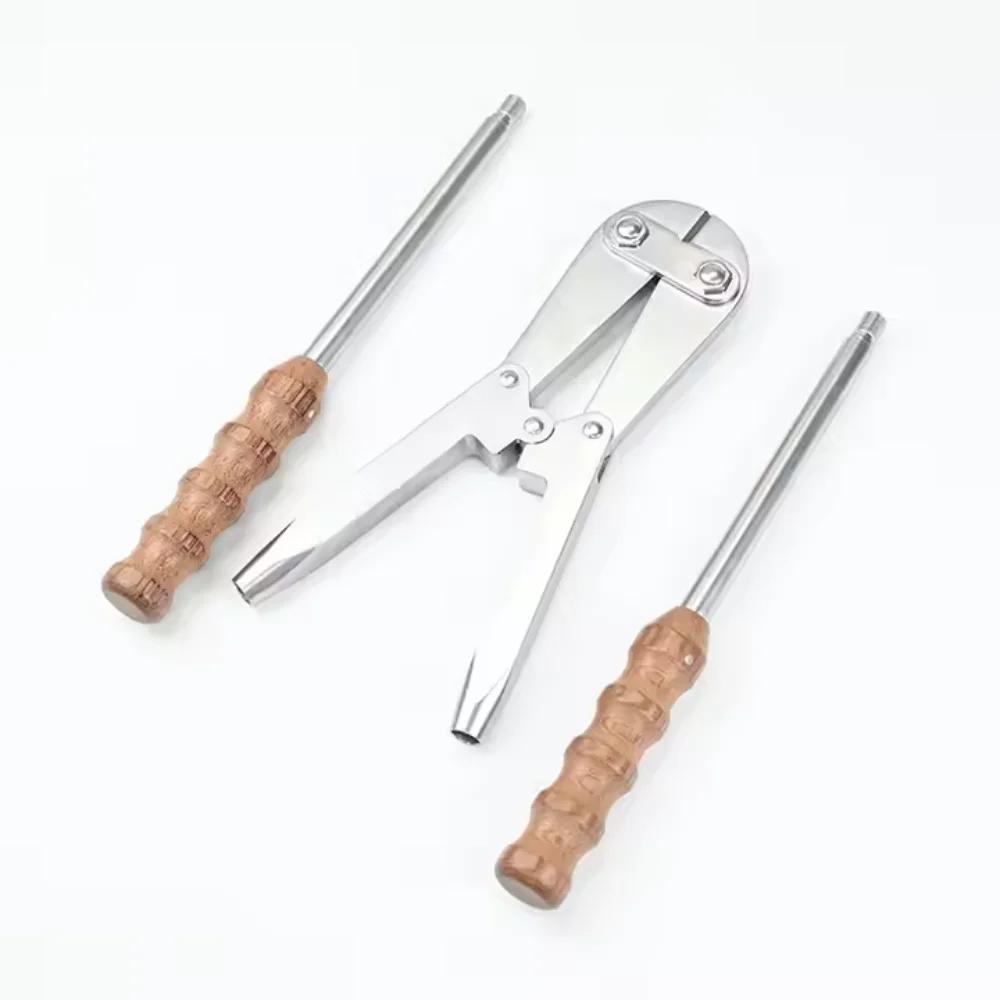
Stainless Steel Rod, Wire & Pin Cutter Pliers
Direct Manufacturer Pricing • Tax Exclusive
The Stainless Steel Cutter With Handle is designed for cutting suitable rods, wires, and pins in applications where a dedicated cutting tool is required. Manufactured in Pakistan, this instrument features a handled plier-style design for manual operation. Confirm its cutting capacity and intended material compatibility before use.
All import duties, tariffs & taxes are 100% pre-paid for USA, UK, Canada, EUROPE & Australia (AUS). Zero surprise customs bills at delivery.
Hospital & Volume Procurement Pricing
The Stainless Steel Cutter With Handle is a manually operated cutting instrument designed for suitable rods, wires, and pins. Its plier-style construction provides a familiar handle-operated mechanism for applying cutting force to compatible materials. Manufactured in Pakistan, this cutter may be considered for orthopedic instrument inventories, medical workshops, and other professional settings where the specified cutting function is required.
Cutting tools are important in orthopedic and surgical environments when working with compatible wires, pins, and other designated components. The correct cutter helps professionals perform controlled cutting tasks while maintaining appropriate handling of the material. The Stainless Steel Cutter With Handle is intended for use with materials and dimensions that fall within its specified cutting capacity. The exact applications should be confirmed using the manufacturer's product information.
The handled design allows the user to operate the instrument manually. Its performance depends on the cutting-edge geometry, handle construction, mechanical leverage, and compatibility between the cutter and the material being cut. Selecting a suitable tool is important because materials such as orthopedic pins, wires, and rods can vary considerably in diameter, hardness, and composition. Using a cutter beyond its rated capacity may damage the cutting edges or create an unsafe cutting condition.
Stainless steel construction is identified in the product title, making material verification an important part of the purchasing process. Buyers should confirm the exact stainless steel grade and determine whether the instrument is designed for the intended professional environment. Although stainless steel is used in many medical and surgical instruments, the material description alone does not establish the product's corrosion resistance, sterilization suitability, or medical-device classification.
Manufactured in Pakistan, this cutter can be considered by medical suppliers, orthopedic instrument distributors, and purchasing teams seeking a rod, wire, and pin cutting tool. Before adding it to an instrument set or workshop inventory, users should verify the overall length, cutting capacity, jaw design, handle style, and compatible materials. These specifications help determine whether the instrument is appropriate for the intended task.
Safe operation requires proper handling and material assessment. The workpiece should be secured appropriately, and users should follow established procedures for controlling cut material and preventing loose fragments from causing injury. Protective equipment should be used when required by the task and workplace safety procedures. The cutter should not be used on materials or components outside the manufacturer's stated limits.
Routine inspection helps maintain reliable function. Before use, check the cutting edges for chips, deformation, wear, or misalignment, and examine the handles and joints for looseness or damage. A cutter that does not close properly or shows signs of deterioration should be removed from service until it has been assessed. Cleaning and maintenance should follow the manufacturer's instructions, particularly if the instrument is intended for use in a medical environment.
The Stainless Steel Cutter With Handle offers a dedicated manual cutting format for compatible rods, wires, and pins. Its suitability depends on verified construction details, cutting capacity, and the intended application. Confirming these specifications before purchase helps professionals select an appropriate tool and supports consistent handling, maintenance, and workplace safety.
Key Features
Stainless steel cutter with handle
Designed for cutting compatible rods, wires, and pins
Manual plier-style operating design
Suitable for specified cutting tasks in professional environments
Manufactured in Pakistan
Cutting performance depends on material type and diameter
Cutting capacity should be confirmed before use
Stainless steel grade not specified
Requires regular inspection of cutting edges and joints
Cleaning and maintenance should follow manufacturer instructions
Product Specifications
Specification | Details |
|---|---|
Product Name | Stainless Steel Cutter With Handle |
Instrument Type | Rod, wire, and pin cutting pliers |
Primary Function | Cutting compatible rods, wires, and pins |
Material | Stainless steel; grade not specified |
Handle Design | Hand-operated plier style |
Cutting Capacity | Confirm with manufacturer |
Compatible Materials | Confirm material type and hardness with manufacturer |
Overall Length | Not specified |
Country of Manufacture | Pakistan |
Reusability | Confirm with manufacturer |
Sterilization Suitability | Confirm with manufacturer |
Maintenance | Follow manufacturer instructions |
Frequently Asked Questions
1. What is a stainless steel rod, wire, and pin cutter used for?
It is designed to cut compatible rods, wires, and pins within the tool's rated cutting capacity. Confirm the intended application and compatible materials before use.
2. Can this cutter be used for orthopedic wires and pins?
It may be suitable for compatible orthopedic wires or pins if the manufacturer specifies that application. Check the material type, diameter, hardness, and cutting capacity before use.
3. Is the Stainless Steel Cutter With Handle made in Pakistan?
Yes. The supplied product title identifies Pakistan as the country of manufacture.
4. What type of stainless steel is used?
The exact stainless steel grade is not provided. Request the material specification from the manufacturer or supplier before purchasing.
5. What is the cutting capacity of this instrument?
The maximum cutting diameter and material limits are not specified. These details should be confirmed with the manufacturer to avoid damaging the cutting edges.
6. Can this cutter be sterilized?
Sterilization suitability depends on the instrument's construction and intended use. Follow the manufacturer's validated cleaning and reprocessing instructions rather than assuming that stainless steel construction guarantees autoclave compatibility.
7. How should the cutter be maintained?
Inspect the cutting edges, handles, and joints for wear, damage, or misalignment. Clean and store the instrument according to the manufacturer's instructions, and discontinue use if its cutting function becomes unreliable.