
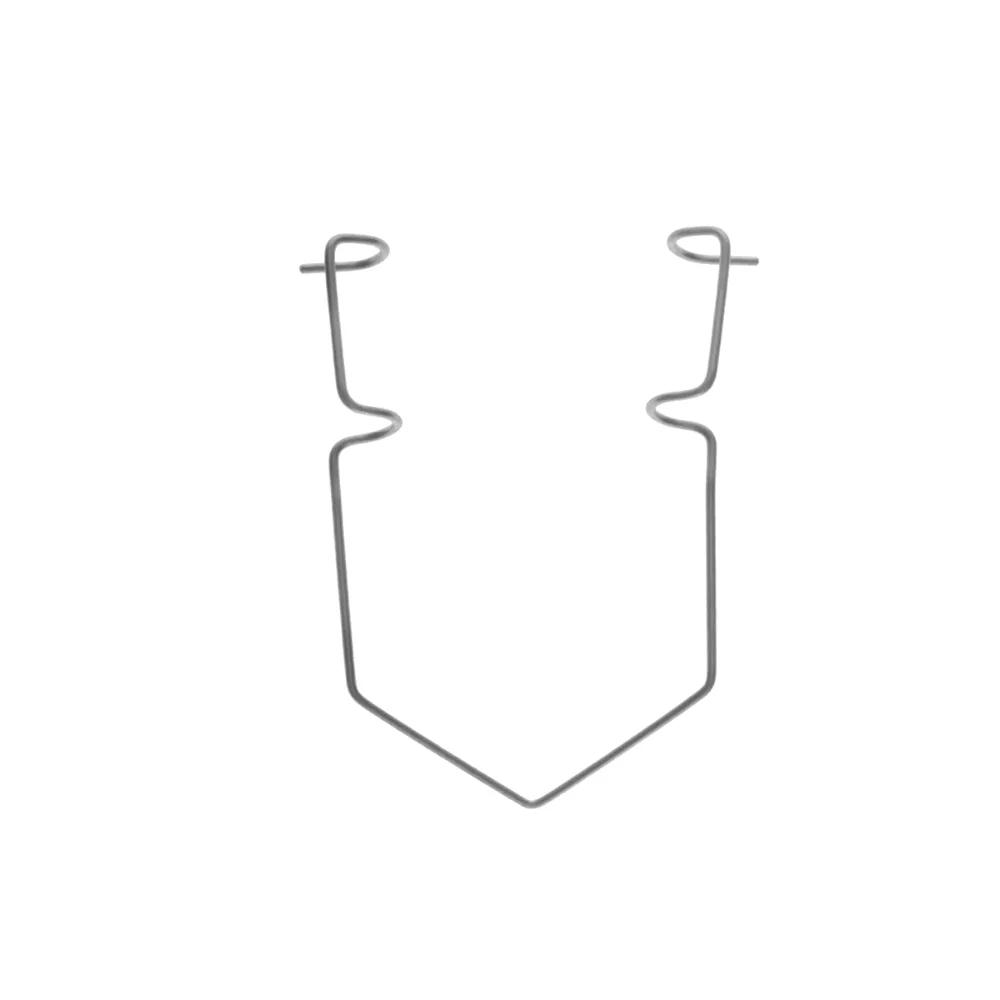
Temporal Wire Speculum Open for Surgical Use
Direct Manufacturer Pricing • Tax Exclusive
The Temporal Wire Speculum Open is a specialized surgical instrument identified by its open wire-style configuration. Its intended function and anatomical application should be confirmed with the manufacturer to ensure suitability for the planned procedure.
All import duties, tariffs & taxes are 100% pre-paid for USA, UK, Canada, EUROPE & Australia (AUS). Zero surprise customs bills at delivery.
Hospital & Volume Procurement Pricing
The Temporal Wire Speculum Open is a specialized instrument intended for use in clinical or surgical settings where access to a specific anatomical area is required. Its product name identifies an open wire-style speculum, distinguishing it by configuration from closed-design alternatives. However, the precise structure, dimensions, and intended anatomical application are not provided in the product title and should be verified before purchase.
Open Wire Design
The open configuration may provide a different access profile from a closed-frame design. Depending on the instrument's construction, an open structure can leave portions of the working area less obstructed while allowing the instrument to be positioned according to the requirements of the procedure. The actual function depends on the shape, rigidity, and working-end design of the specific model.
The term “temporal” may refer to a particular anatomical region or instrument classification, but the exact intended use cannot be established from the title alone. Buyers should request a technical description or product image to confirm the instrument's shape and application rather than assuming compatibility with a specific surgical specialty.
Intended Applications
Specula are generally designed to help provide access or maintain separation of tissues during selected examinations and procedures. Whether this Temporal Wire Speculum Open performs a particular retraction function depends on its design and manufacturer specifications.
Before clinical use, qualified healthcare professionals should verify the intended anatomical site, working-end dimensions, and appropriate handling technique. The instrument should be selected according to the planned procedure and the manufacturer's guidance.
Handling and Inspection
Inspect the instrument before use for deformation, cracks, rough edges, corrosion, or other visible defects. Pay particular attention to the wire structure and any tissue-contact surfaces to ensure that the instrument remains in suitable condition.
Use the instrument only for its intended application and according to established clinical protocols. Its open configuration should not be interpreted as evidence of a specific mechanism, adjustment feature, or clinical indication unless confirmed by the manufacturer.
Cleaning, Sterilization, and Maintenance
Cleaning and sterilization must follow the manufacturer's validated instructions for the specific model. If the instrument is reusable, remove visible contamination and process it using the approved method before sterilization. Inspect the instrument after processing to ensure that the wire structure remains intact and the surfaces are clean.
The material composition, reuse status, and approved sterilization method are not specified in the product title. Confirm these details before ordering or processing the instrument. Proper maintenance and storage help preserve the instrument's condition and support reliable handling in clinical environments.
Selecting the Correct Wire Speculum
When purchasing a Temporal Wire Speculum Open, confirm its exact design, dimensions, material, intended anatomical application, and compatibility with the facility's processing procedures. Comparing the open and closed versions using manufacturer specifications can help ensure that the selected configuration matches the requirements of the intended use.
Key Features
Temporal Wire Speculum Open configuration
Open wire-style instrument design
Intended for a specified clinical application, subject to confirmation
Open configuration distinguishes it from closed-design alternatives
Exact anatomical application requires verification
Material composition not specified
Overall dimensions not specified
Working-end design requires confirmation
Reusability status should be verified
Inspect for damage before use
Follow manufacturer instructions for cleaning and sterilization
Product Specifications
Specification | Details |
|---|---|
Product Name | Temporal Wire Speculum Open |
Instrument Type | Wire-style speculum |
Configuration | Open |
Primary Application | Confirm with manufacturer |
Material | Not specified |
Overall Length | Not specified |
Working-End Dimensions | Not specified |
Opening Mechanism | Not specified |
Reusability | Not specified |
Sterilization Compatibility | Follow manufacturer instructions |
Intended Users | Qualified healthcare professionals |
Frequently Asked Questions
1. What is a Temporal Wire Speculum Open?
It is a specialized instrument identified by its temporal wire speculum designation and open configuration. Its exact structure and intended clinical use should be confirmed with the supplier.
2. What does the open design mean?
The term describes an open configuration, but the precise structural details depend on the specific model. A product image or technical specification sheet can help verify its design.
3. What is the Temporal Wire Speculum Open used for?
Its exact anatomical application is not established by the product title alone. Consult the manufacturer to confirm its intended use and appropriate procedures.
4. How does the open version differ from the closed version?
The primary stated distinction is the configuration. The exact differences in shape, dimensions, and function should be verified using the manufacturer's specifications for both models.
5. What material is this instrument made from?
The material is not specified in the product title. Confirm the composition and material grade with the supplier.
6. Can the Temporal Wire Speculum Open be reused?
Reusability depends on the manufacturer's specifications. Confirm whether the instrument is reusable and follow the approved cleaning and sterilization instructions.
7. What should buyers check before purchasing?
Confirm the intended anatomical application, overall dimensions, working-end design, material, reusability, and sterilization compatibility before placing an order.