
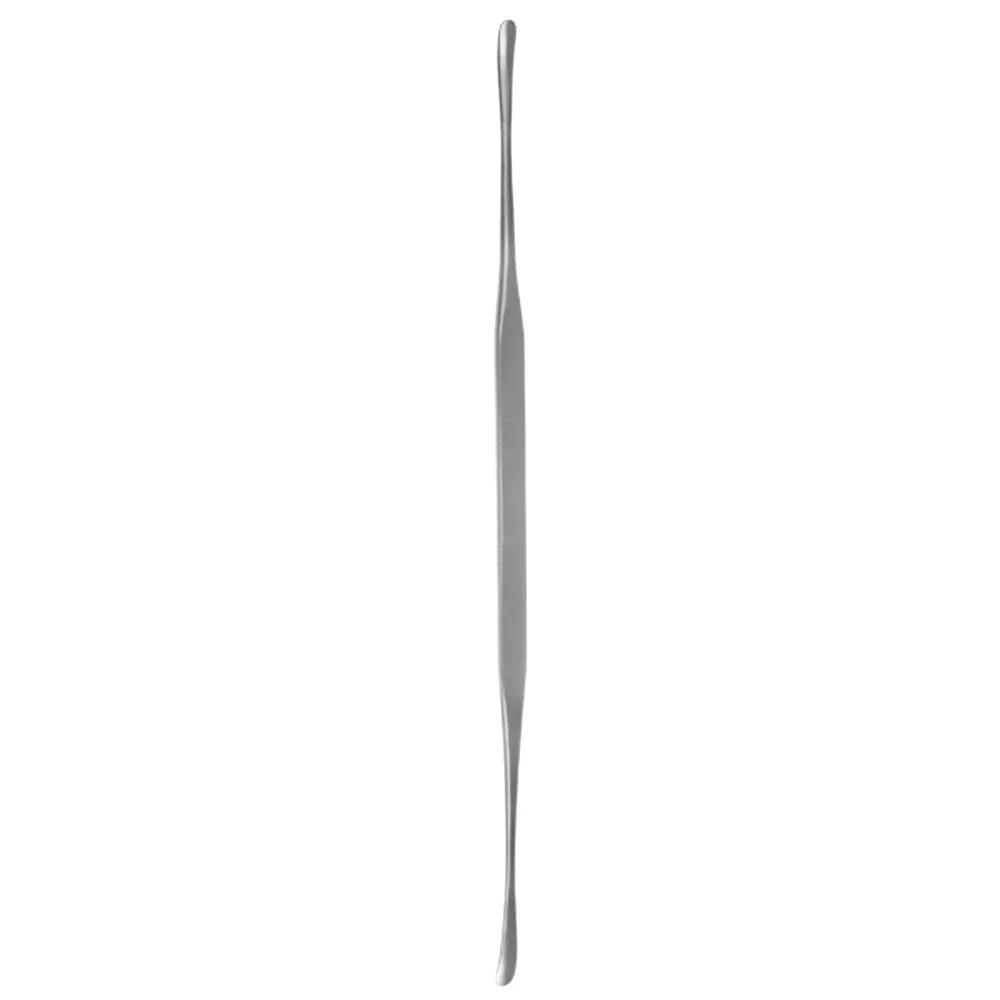
Toennis Grooved Dissector 9.5 Inch Blunt Tapered
Direct Manufacturer Pricing • Tax Exclusive
The Toennis Grooved Dissector 9 1/2″ Blunt Blunt Tapered is a surgical instrument designed to assist with controlled tissue separation and dissection. Its grooved construction and blunt, tapered ends support careful instrument positioning during appropriate surgical procedures.
All import duties, tariffs & taxes are 100% pre-paid for USA, UK, Canada, EUROPE & Australia (AUS). Zero surprise customs bills at delivery.
Hospital & Volume Procurement Pricing
The Toennis Grooved Dissector 9 1/2″ Blunt Blunt Tapered is designed for surgical dissection and controlled separation of tissue. Its 9.5-inch overall length provides reach for suitable operative applications, while the blunt, tapered ends are intended to support careful manipulation where a pointed cutting tip may not be appropriate. The grooved design is a defining feature of this instrument and should be evaluated according to the intended surgical technique.
Grooved Design and Blunt Tapered Ends
The grooved configuration provides a shaped working surface that may assist with instrument guidance and controlled tissue manipulation, depending on the exact design. The blunt ends are intended for applications where controlled separation is required rather than direct cutting with a sharp point. Their tapered profile allows the working ends to narrow gradually, supporting access to areas where the instrument's dimensions and shape are suitable.
The exact groove depth, end dimensions, shaft profile, and tip geometry are not specified in the product title. These details should be confirmed with the manufacturer to ensure the instrument matches the intended clinical application.
Length and Surgical Handling
With an overall length of 9 1/2 inches, equivalent to 9.5 inches, this dissector offers reach for appropriate surgical tasks. Instrument length can influence access, visibility, and control during a procedure. The correct size should be selected based on the operative site, the surgeon's technique, and the requirements of the surgical team.
The instrument should be handled with controlled movements and used only for its intended purpose. Excessive pressure, bending, or use beyond its specified function may damage the working ends or compromise instrument performance.
Applications in Surgical Procedures
A grooved dissector with blunt tapered ends may be considered for tissue separation and dissection where its specific design is appropriate. The product title does not identify a particular specialty or anatomical application, so suitability for general, specialty, or delicate surgical procedures should be confirmed through the manufacturer's documentation.
Choosing the correct dissector depends on the tissue involved, the required degree of control, the available operative space, and the intended technique. The instrument should not be assumed suitable for probing, cutting, retracting, or other specialized tasks unless these uses are supported by its verified design and instructions.
Inspection and Instrument Care
Before use, inspect the instrument for surface damage, deformation, corrosion, or irregularities at the blunt tapered ends. Confirm that the working surfaces are clean and that the instrument is in suitable condition for its intended application. Instruments showing damage or defects should be removed from service and evaluated according to facility procedures.
After use, follow the manufacturer's validated cleaning, disinfection, and sterilization instructions. Pay attention to the groove and other shaped surfaces, where residue may collect. Use compatible cleaning agents and approved methods, then dry and inspect the instrument thoroughly before storage. Material composition, sterilization compatibility, and reusable status must be verified with the manufacturer.
Selecting the Right Dissector
When purchasing the Toennis Grooved Dissector, verify its 9.5-inch length, grooved design, blunt tapered ends, material, and intended applications. Confirming these details helps ensure that the instrument meets the needs of the surgical team and the requirements of the intended procedure.
Its combination of a grooved profile, blunt tapered ends, and extended length makes it an instrument to evaluate for controlled dissection tasks where these features are appropriate. Final selection should be based on the verified specifications and manufacturer guidance.
Key Features
Toennis-style grooved dissector
Overall length of 9 1/2 inches
Equivalent length of 9.5 inches
Blunt-ended design
Tapered working ends
Intended for controlled tissue separation and dissection
Grooved construction for its designated surgical function
Provides reach for suitable operative applications
Requires inspection before each use
Cleaning and sterilization according to manufacturer instructions
Product Specifications
Specification | Details |
|---|---|
Product Name | Toennis Grooved Dissector |
Instrument Type | Surgical dissector |
Overall Length | 9 1/2 inches (9.5 inches) |
Working-End Design | Blunt, blunt tapered |
Surface Design | Grooved |
Primary Function | Tissue separation and dissection |
Material | Not specified |
Groove Dimensions | Not specified |
Tip Dimensions | Not specified |
Specialty | Not specified |
Sterilization Compatibility | Confirm with manufacturer |
Reusable Status | Confirm with manufacturer |
Frequently Asked Questions
1. What is a Toennis Grooved Dissector used for?
It is designed to assist with controlled tissue separation and dissection in appropriate surgical procedures. The exact application depends on the instrument's verified design and manufacturer instructions.
2. What is the length of this dissector?
The stated length is 9 1/2 inches, equivalent to 9.5 inches.
3. What does blunt tapered mean?
Blunt tapered describes working ends that narrow gradually but do not have a pointed cutting tip. This configuration may support controlled manipulation where the design is appropriate.
4. What is the purpose of the groove?
The groove is a defining feature of the instrument and may assist with guidance or tissue manipulation, depending on its exact construction. Its specific function should be confirmed with the manufacturer.
5. Which surgical specialties use this dissector?
The product title does not specify a particular specialty. Confirm its intended applications with the manufacturer before selecting it for a procedure.
6. What material is the Toennis Grooved Dissector made from?
The material is not identified in the product title. Contact the supplier for confirmed material and instrument-grade specifications.
7. How should this dissector be cleaned and sterilized?
Follow the manufacturer's validated reprocessing instructions and facility protocols. Carefully clean the groove and other shaped surfaces, and confirm sterilization compatibility before use.
8. What should be checked before using the instrument?
Inspect the groove, tapered ends, and overall surface for residue, deformation, corrosion, or damage. Confirm the instrument is clean and in suitable working condition before use.