
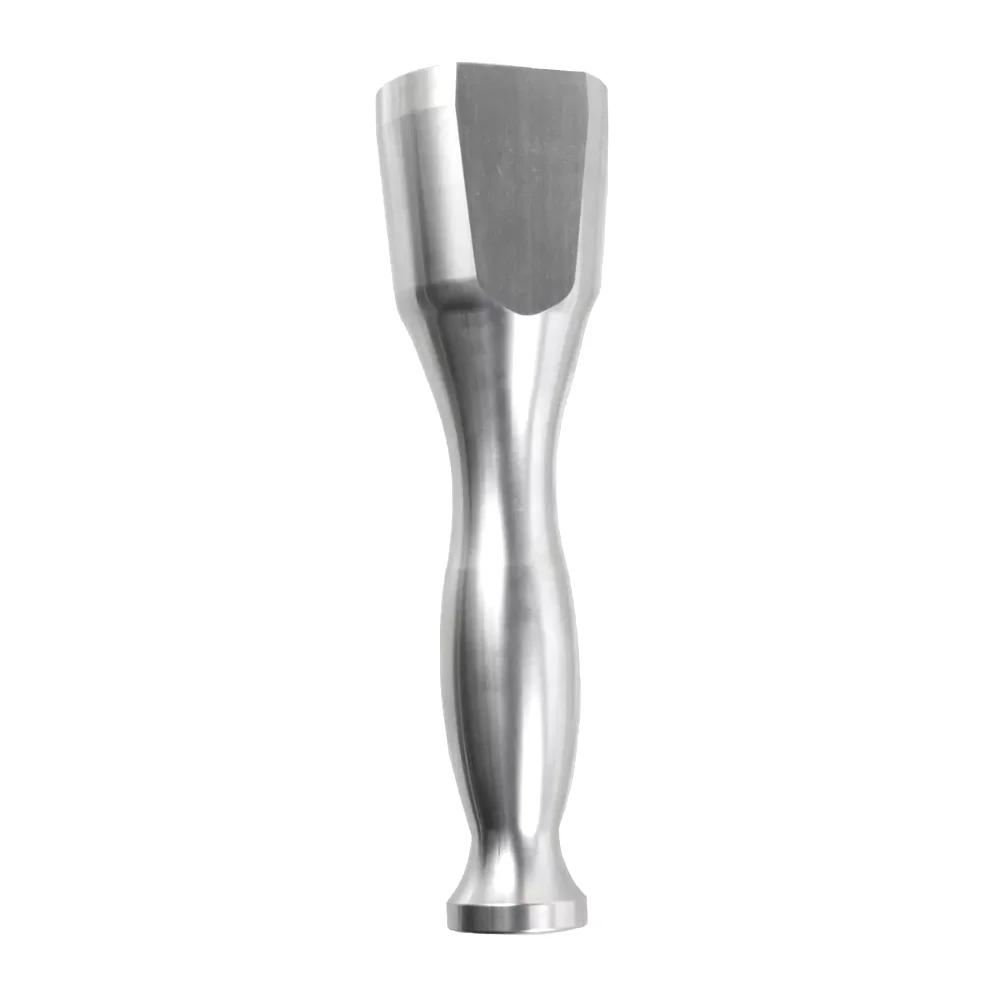
Toronto Bone Mallet Aluminum Orthopedic Instrument
Direct Manufacturer Pricing • Tax Exclusive
The Toronto Bone Mallet Aluminum is an orthopedic instrument designed for controlled striking during procedures involving compatible surgical tools. Its aluminum construction offers a lightweight alternative for professional instrument handling.
All import duties, tariffs & taxes are 100% pre-paid for USA, UK, Canada, EUROPE & Australia (AUS). Zero surprise customs bills at delivery.
Hospital & Volume Procurement Pricing
The Toronto Bone Mallet Aluminum is an orthopedic surgical instrument designed for procedures that require controlled impact when working with compatible surgical instruments. Bone mallets are commonly used by trained surgical professionals alongside tools such as osteotomes and bone chisels, where measured force and controlled handling are important. The Toronto pattern provides an option for surgical teams selecting instruments for appropriate orthopedic applications.
Aluminum Construction
The defining feature of this model is its aluminum construction. Aluminum is valued in instrument design for its relatively low weight compared with many traditional metals. A lightweight mallet may be easier for some users to handle during repeated instrument movements, although actual balance, weight, and handling characteristics depend on the specific product design.
The aluminum material should be verified for its intended surgical use, surface finish, and compatibility with the manufacturer's approved cleaning and reprocessing instructions. Not all aluminum instruments have the same construction or processing requirements, so product-specific guidance is important when purchasing instruments for a healthcare facility.
Design and Handling
The Toronto Bone Mallet is intended to deliver controlled strikes to compatible instruments rather than serve as a general-purpose hammer. Its performance depends on the design of the striking head, handle, and the instrument receiving the impact. The exact head dimensions, overall length, weight, and handle configuration are not specified in the product title and should be confirmed with the supplier.
For professional use, the mallet should be handled by trained personnel who understand the requirements of the procedure and the instruments being used. Before use, inspect the head and handle for damage, deformation, cracks, loose components, or other signs of deterioration. A damaged instrument should be removed from service and assessed according to facility procedures.
Orthopedic Surgical Applications
Bone mallets are commonly associated with orthopedic procedures involving bone chisels, osteotomes, and other compatible surgical tools. The Toronto pattern may be considered for suitable procedures requiring controlled instrument impact, provided the specific model is appropriate for the intended application. The product name alone does not establish suitability for every orthopedic or bone-related procedure.
When selecting a mallet for a surgical instrument set, consider the required striking characteristics, material compatibility, dimensions, and the recommendations of the instrument manufacturer. Confirming these details helps healthcare facilities maintain consistent equipment selection and inventory records.
Cleaning, Sterilization, and Maintenance
The aluminum Toronto Bone Mallet should be cleaned, disinfected, and sterilized only according to the manufacturer's instructions for the exact model. Aluminum instruments may have material-specific processing limitations, so do not assume that every cleaning chemical or sterilization method is suitable. Follow the healthcare facility's validated reprocessing procedures.
After use, process the instrument promptly using the approved cleaning method. Rinse and dry it as directed, inspect all surfaces for residual soil or damage, and store it in a designated instrument tray or protected storage area. Routine inspection and appropriate maintenance help support instrument condition and service life.
For procurement purposes, the key identifying details are the Toronto pattern and aluminum construction. Before ordering, confirm the overall length, weight, head design, finish, intended use, packaging, and approved reprocessing requirements with the supplier. These details help ensure that the instrument meets the practical requirements of the intended surgical setting.
Key Features
Toronto-pattern orthopedic bone mallet
Aluminum construction
Lightweight material compared with many traditional metals
Designed for controlled striking with compatible surgical instruments
Intended for appropriate orthopedic applications
Suitable for professional handling by trained surgical personnel
Head dimensions and overall length require confirmation
Inspect regularly for damage or deformation
Cleaning and sterilization must follow manufacturer instructions
Confirm material compatibility before selecting reprocessing methods
Product Specifications
Specification | Details |
|---|---|
Product Name | Toronto Bone Mallet Aluminum |
Instrument Type | Bone mallet |
Pattern | Toronto |
Material | Aluminum, as specified in the product title |
Primary Function | Controlled striking with compatible surgical instruments |
Specialty | Orthopedic surgery |
Overall Length | Not specified |
Head Design | Not specified |
Handle Design | Not specified |
Weight | Not specified |
Surface Finish | Not specified |
Reusable Status | Confirm with manufacturer |
Sterilization Method | Follow manufacturer instructions |
Packaging | Not specified |
Frequently Asked Questions
1. What is a Toronto Bone Mallet Aluminum used for?
It is an orthopedic instrument intended for controlled striking during appropriate procedures involving compatible surgical instruments, such as osteotomes or bone chisels.
2. What material is this Toronto Bone Mallet made from?
The product title specifies aluminum construction. The exact aluminum grade and any surface treatment should be confirmed with the supplier.
3. What are the benefits of an aluminum bone mallet?
Aluminum is relatively lightweight compared with many traditional instrument metals. The actual handling benefits depend on the mallet's design, balance, and weight.
4. Is the Toronto Bone Mallet Aluminum suitable for all orthopedic procedures?
No. Suitability depends on the specific instrument design, the procedure, and compatibility with the tools receiving the impact. Follow manufacturer guidance and clinical requirements.
5. How should an aluminum bone mallet be sterilized?
Use only the cleaning and sterilization methods approved by the manufacturer for the exact model. Aluminum instruments may have specific chemical and processing limitations.
6. What dimensions does this bone mallet have?
The product title does not provide its overall length, head dimensions, or weight. Confirm these specifications with the supplier before ordering.
7. How can the condition of a bone mallet be maintained?
Follow the manufacturer's cleaning and storage instructions, inspect the head and handle before use, and remove the instrument from service if damage or deterioration is detected.