
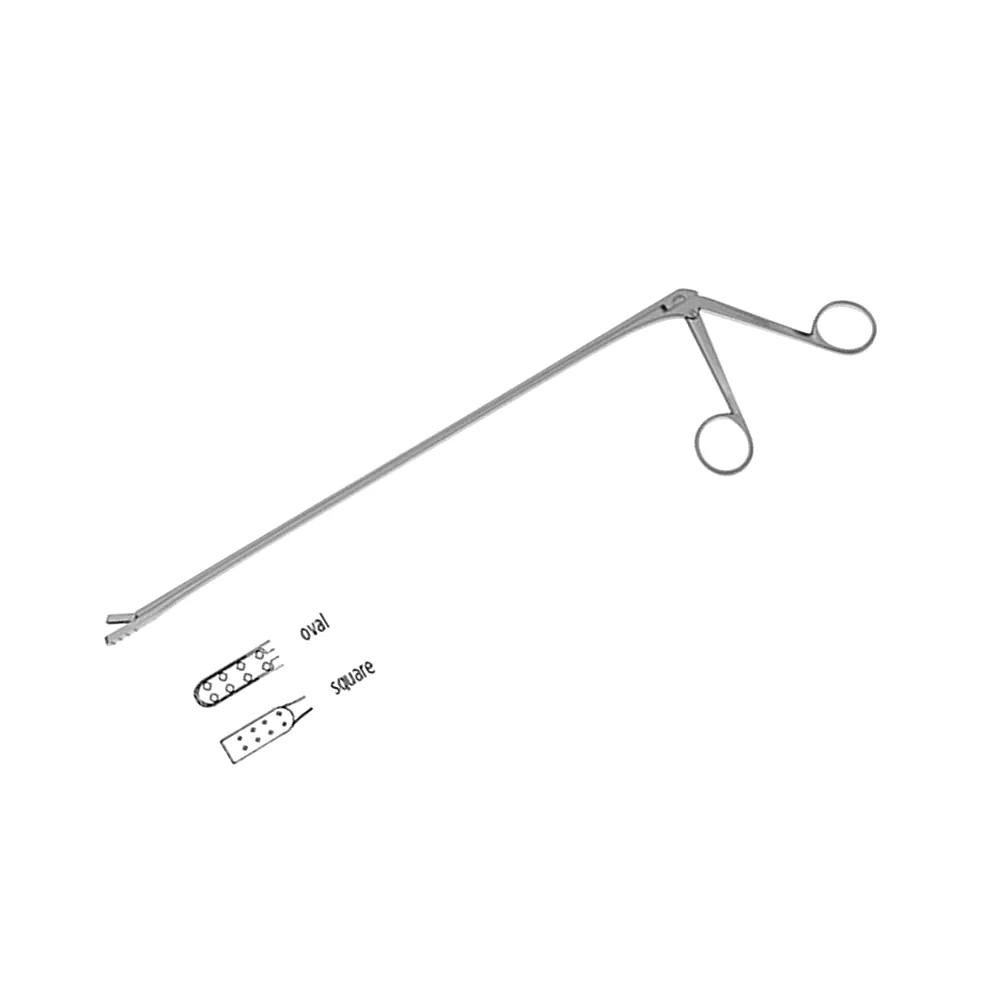
Yeoman Rectal Biopsy Forceps 4.0 x 11.0 mm Bite
Direct Manufacturer Pricing • Tax Exclusive
Yeoman Rectal Biopsy Forceps are specialized instruments designed for obtaining tissue samples during appropriate rectal and colorectal diagnostic procedures. The specified 4.0 mm x 11.0 mm bite dimensions help identify the working-end size for instrument selection and procedural planning.
All import duties, tariffs & taxes are 100% pre-paid for USA, UK, Canada, EUROPE & Australia (AUS). Zero surprise customs bills at delivery.
Hospital & Volume Procurement Pricing
Yeoman Rectal Biopsy Forceps are specialized surgical instruments used to obtain tissue samples from the rectal area during appropriate diagnostic procedures. This model is identified by a bite size of 4.0 mm x 11.0 mm, providing a reference for the dimensions of the tissue-engaging working end. The exact application and suitability depend on the instrument's construction and the procedure being performed.
Rectal biopsy forceps are used by trained healthcare professionals when tissue sampling is clinically indicated. Obtained specimens may be submitted for pathological examination according to the treating clinician's diagnostic plan. The instrument must be selected based on the intended procedure, the required sample characteristics, and the manufacturer's instructions.
Bite Dimensions and Tissue Sampling
The listed bite dimensions of 4.0 mm x 11.0 mm help distinguish this model from biopsy forceps with different working-end sizes. Bite dimensions can influence the size and shape of the tissue sample obtained, although actual specimen dimensions depend on the jaw design, tissue characteristics, and sampling technique.
The product title does not specify whether the measurements represent jaw width and length, the effective bite area, or another manufacturer-defined measurement. Buyers should confirm the measurement convention and working-end geometry before ordering, particularly when precise dimensions are required for clinical procurement.
Yeoman-Style Forceps Design
The Yeoman pattern identifies the instrument style, but the exact handle mechanism, shaft length, jaw orientation, and working-end configuration are not provided in the product title. These characteristics should be verified with the supplier to ensure the forceps meet the needs of the intended diagnostic setup.
The instrument should provide controlled handling appropriate to its verified design. Before use, trained personnel should inspect the jaws for alignment, damage, obstruction, or wear and confirm that any operating mechanism functions as intended. The forceps should only be used for applications supported by the manufacturer's instructions.
Clinical Applications
Yeoman Rectal Biopsy Forceps may be considered for appropriate rectal or colorectal tissue-sampling procedures when the instrument's verified design matches the clinical application. The title also describes the instrument as an intestinal surgical instrument, but this does not establish suitability for every intestinal procedure or anatomical site.
Selection should be based on the intended access method, tissue-sampling requirements, jaw dimensions, and the healthcare professional's clinical judgment. Confirm the manufacturer's intended-use statement before using the instrument for a specific procedure.
Material and Construction
The base material, surface finish, overall length, and reusable or single-use status are not specified in the product title. These details should be confirmed before purchase. Material information is important for determining appropriate handling, cleaning, and any required reprocessing.
Do not assume that the instrument is stainless steel, reusable, or compatible with a particular sterilization method without verified product information. If reusable, the instrument must be processed according to the manufacturer's validated instructions and the healthcare facility's applicable procedures.
Cleaning, Sterilization, and Maintenance
Follow the manufacturer's instructions for cleaning, inspection, drying, packaging, and sterilization when applicable. Pay particular attention to the jaw surfaces and any moving or jointed components, where tissue residue may remain. Inspect the working end before and after use for damage, corrosion, misalignment, or other defects.
If the instrument is designated for single use, do not reprocess or reuse it. Remove any damaged or malfunctioning instrument from service according to facility procedures.
Choosing the Right Rectal Biopsy Forceps
When selecting Yeoman Rectal Biopsy Forceps, verify the 4.0 mm x 11.0 mm bite specification, jaw geometry, overall length, material, intended application, and reprocessing requirements. Confirming these details helps ensure the instrument meets the requirements of the clinical team and the facility's instrument-processing protocols.
Key Features
Yeoman-style rectal biopsy forceps
Specified bite dimensions of 4.0 mm x 11.0 mm
Designed for tissue sampling in appropriate diagnostic procedures
Associated with rectal and colorectal applications
Working-end dimensions support instrument identification and selection
Exact jaw configuration should be confirmed
Overall length and base material are not specified
Handle mechanism and shaft design require verification
Intended use should follow manufacturer specifications
Cleaning and sterilization must follow manufacturer instructions when applicable
Product Specifications
| Specification | Details |
|---|---|
| Product Name | Yeoman Rectal Biopsy Forceps |
| Instrument Type | Biopsy forceps |
| Instrument Pattern | Yeoman |
| Bite Dimensions | 4.0 mm x 11.0 mm |
| Jaw Configuration | Not specified |
| Overall Length | Not specified |
| Shaft Design | Not specified |
| Handle Mechanism | Not specified |
| Base Material | Not specified |
| Surface Finish | Not specified |
| Intended Application | Appropriate rectal and colorectal tissue sampling; confirm with manufacturer |
| Reusable or Single-Use Status | Confirm with manufacturer |
| Sterilization Compatibility | Follow manufacturer-validated instructions |
| Packaging | Not specified |
Frequently Asked Questions
1. What are Yeoman Rectal Biopsy Forceps used for?
They are specialized instruments intended to obtain tissue samples during appropriate rectal and colorectal diagnostic procedures. The specific application depends on the instrument's verified design and intended use.
2. What does the 4.0 mm x 11.0 mm bite size mean?
It identifies the listed bite dimensions of the working end. Confirm with the manufacturer whether these measurements represent jaw width and length or another defined specification.
3. Are these forceps suitable for intestinal biopsy procedures?
They may be suitable for specific tissue-sampling applications when their design and intended use match the procedure. Confirm suitability with the manufacturer and the healthcare professional responsible for instrument selection.
4. What material are Yeoman Rectal Biopsy Forceps made from?
The product title does not specify the material. Confirm the base material and surface finish with the supplier before purchasing.
5. Are these biopsy forceps reusable?
Reusable status is not specified. Check the manufacturer's labeling and instructions before use, cleaning, or reprocessing.
6. How should the forceps be cleaned?
Follow the manufacturer's validated cleaning and reprocessing instructions. Pay attention to the jaw surfaces and any joints or moving components where tissue residue may remain.
7. What should be inspected before use?
Check the jaws for alignment, damage, obstruction, corrosion, and wear. Confirm that the operating mechanism functions correctly and that the instrument is appropriate for the intended procedure.
8. What should buyers confirm before ordering?
Verify the bite dimensions, jaw geometry, overall length, shaft and handle design, base material, intended use, reusable status, and reprocessing requirements.