

Neurosurgery relies on specialized surgical instruments to support precise, controlled procedures involving the brain and surrounding structures. Among the instruments associated with cerebrospinal fluid (CSF) diversion procedures is the ventriculoperitoneal (VP) shunt introducer, which may assist with the placement or passage of components used in a VP shunt system, depending on its design and intended application.
VP shunt procedures are commonly performed to manage hydrocephalus, a condition characterized by an abnormal accumulation of cerebrospinal fluid within the brain's ventricles. By directing excess fluid from the ventricles to another part of the body, typically the peritoneal cavity, a VP shunt helps manage fluid buildup and pressure.
Understanding the role of VP shunt introducers, their design considerations, and their relationship to other neurosurgical instruments helps healthcare professionals and medical procurement teams make informed decisions about surgical equipment.
What Is a VP Shunt Introducer?
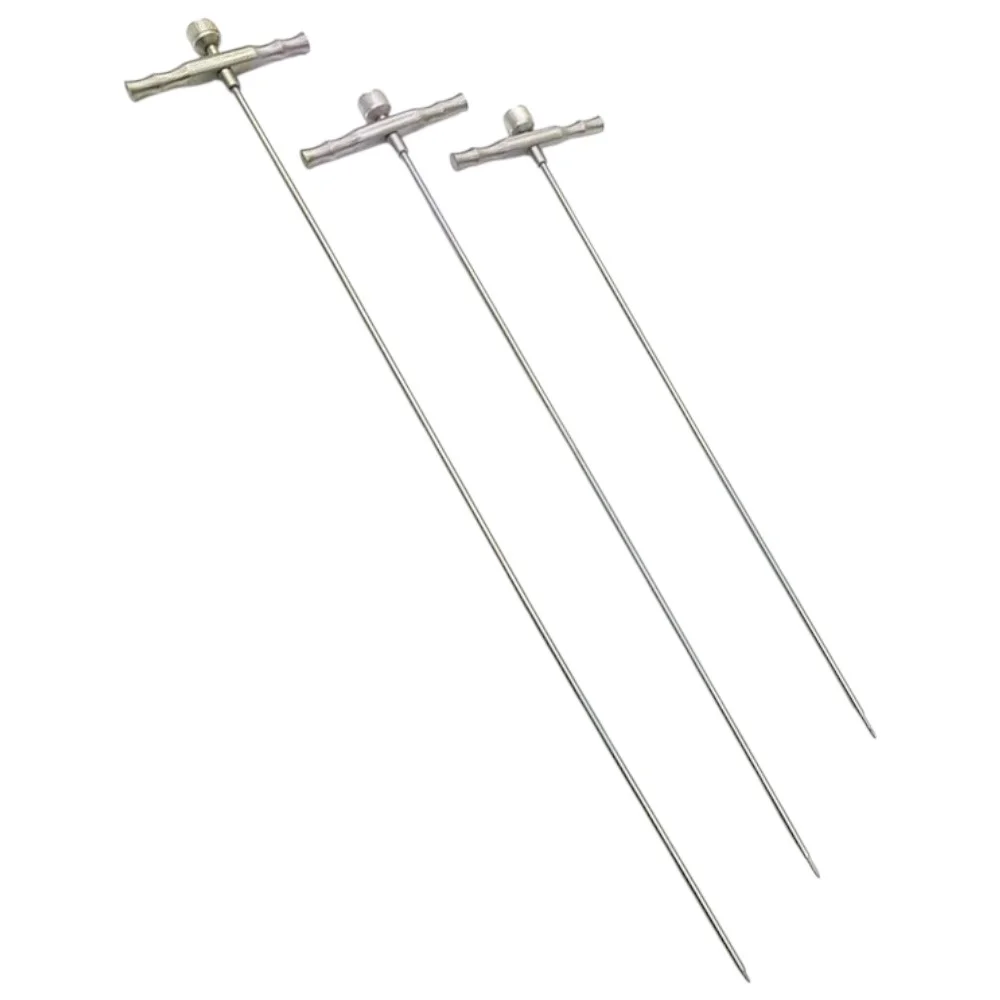
A VP shunt introducer is a specialized instrument associated with the placement or passage of components used during ventriculoperitoneal shunt procedures. Its precise function depends on the instrument's design and the manufacturer's intended use.
In neurosurgical practice, instruments used for shunt placement must support controlled handling and compatibility with the relevant shunt components. Depending on the system and surgical technique, an introducer or related passage instrument may help facilitate the positioning or routing of components during a procedure.
It is important to distinguish a VP shunt introducer from the shunt itself. The shunt is an implanted medical device consisting of components such as catheters and a valve, whereas an introducer is an instrument used during the procedure and is not ordinarily the implanted component.
Understanding Ventriculoperitoneal Shunt Systems
To understand the role of a VP shunt introducer, it is helpful to know the basic components and purpose of a VP shunt system.
A typical VP shunt system includes the following components:
Ventricular catheter: Positioned within a brain ventricle to collect cerebrospinal fluid.
Valve mechanism: Regulates the flow of CSF according to the design of the shunt system.
Distal catheter: Carries fluid toward the peritoneal cavity, where it can be absorbed by the body.
These components work together to divert excess cerebrospinal fluid away from the brain's ventricles.
The procedure involves specialized instruments and carefully planned surgical steps. Instruments used to establish access, position catheters, or route tubing have different purposes. The exact instruments required depend on the patient's anatomy, the selected shunt system, and the surgeon's preferred technique.
The Role of VP Shunt Introducers in Neurosurgery
VP shunt introducers and related instruments can contribute to specific stages of shunt placement when their design is appropriate for the task. Their role should be understood in the context of the complete surgical procedure rather than as a substitute for the shunt system or the surgeon's technique.
1. Supporting the Passage of Shunt Components
Certain introducer or tunneling instruments are designed to assist with the passage of shunt tubing through an appropriate tissue plane. In VP shunt procedures, subcutaneous tunneling may be required to route the distal catheter between surgical access sites.
A suitable instrument can help facilitate this process according to its intended design. The specific method of use depends on the instrument, the shunt system, and the surgical approach.
2. Supporting Controlled Instrument Handling
Neurosurgical procedures require careful instrument handling, particularly when working around delicate anatomical structures. Instruments should be designed to support appropriate control and maneuverability during their intended use.
The instrument's length, shape, working end, and compatibility with other components may affect its suitability for a particular procedure. These characteristics should be evaluated against the manufacturer's specifications and the clinical requirements.
3. Working Alongside Other Neurosurgical Instruments
A VP shunt introducer is only one part of the broader range of instruments that may be used during shunt surgery. Other equipment may include instruments for surgical access, catheter handling, tissue dissection, and wound closure.
Each instrument has a specific purpose. An introducer intended for tunneling or passage should not automatically be considered suitable for ventricular access or catheter insertion into the brain. Those functions require instruments specifically designed and indicated for the relevant task.
Important Design Considerations for VP Shunt Introducers
Selecting an appropriate VP shunt introducer involves evaluating its construction, intended use, and compatibility with the procedure.
Instrument Design and Dimensions
The length, diameter, curvature, and working-end configuration should match the manufacturer's intended application. These dimensions may influence handling and suitability for the planned surgical approach.
Healthcare professionals should review the product's technical specifications rather than assuming that instruments with similar names are interchangeable.
Material and Construction
Surgical instruments may be manufactured from medical-grade stainless steel or other materials suitable for their intended application. Material selection should account for the required mechanical properties, durability, and validated reprocessing requirements, where applicable.
Material claims should be confirmed through the manufacturer's documentation. A particular grade of stainless steel or a specific level of corrosion resistance should not be assumed without supporting product information.
Compatibility With Shunt Components
Compatibility is an important consideration when selecting instruments for neurosurgical procedures. An introducer or tunneling instrument should be appropriate for the dimensions and configuration of the components with which it is intended to be used.
Medical procurement teams should verify relevant measurements, product specifications, and manufacturer guidance before purchasing instruments for a particular shunt system.
Reusable or Single-Use Design
Some surgical instruments are designed for repeated use, while others are intended for single use. This distinction affects procurement, handling, sterilization, and inventory management.
Reusable instruments require validated cleaning, inspection, and sterilization procedures in accordance with the manufacturer's instructions. Single-use devices should be handled and discarded according to their labeling and applicable healthcare policies.
The Importance of Sterilization and Instrument Maintenance
Appropriate infection prevention practices are essential in neurosurgery. Instruments used in VP shunt procedures must be processed according to their intended use and the manufacturer's validated instructions.
For reusable instruments, the recommended process may include cleaning, inspection, packaging, and sterilization using a validated method compatible with the device. Instruments should be inspected for damage, corrosion, deformation, or other defects that could affect their performance.
Single-use devices must not be reused unless the device is specifically authorized for such use under applicable requirements. Healthcare facilities should follow their infection prevention policies and relevant regulatory guidance.
Proper instrument processing supports safe clinical practice, but it does not eliminate all risks associated with shunt surgery. Infection prevention also depends on appropriate surgical technique, patient management, and care of the implanted shunt system.
Factors to Consider When Purchasing VP Shunt Introducers
Hospitals, surgical centers, and medical procurement teams should evaluate several factors when sourcing VP shunt introducers and related neurosurgical instruments.
1. Intended application: Confirm the exact function of the instrument and whether it is designed for tunneling, passage, or another specific task.
2. Technical specifications: Review dimensions, material details, working-end design, and any relevant compatibility information.
3. Manufacturer documentation: Check product labeling, instructions for use, cleaning requirements, and applicable conformity documentation.
4. Reprocessing requirements: Establish whether the device is reusable or single-use and confirm the applicable processing instructions.
5. Supplier reliability: Choose suppliers that can provide accurate product descriptions, traceable documentation, and consistent product information.
6. Inventory requirements: Ensure that the selected instrument meets the needs of the clinical department and is compatible with the equipment used at the facility.
These considerations help procurement teams evaluate products based on documented specifications rather than relying solely on product names or general marketing claims.
VP Shunt Introducers and the Management of Hydrocephalus
Hydrocephalus can occur for several reasons, including impaired CSF circulation or absorption. In selected cases, a VP shunt may be used to divert excess fluid and help manage the condition.
The shunt introducer does not independently treat hydrocephalus. Instead, it is a procedural instrument that may support a particular aspect of shunt placement when appropriate to its design.
The clinical outcome depends on multiple factors, including patient selection, surgical technique, the performance of the implanted shunt system, and postoperative monitoring. VP shunts may also develop complications such as obstruction, infection, or mechanical failure, requiring clinical assessment and sometimes further intervention.
Understanding the difference between the implanted device and the instruments used during placement is important for both healthcare professionals and medical equipment buyers.
Conclusion
VP shunt introducers are specialized instruments associated with ventriculoperitoneal shunt procedures, with their precise function determined by their design and intended use. Depending on the instrument, they may assist with the passage or routing of shunt components as part of a broader neurosurgical procedure.
Understanding their applications, construction, compatibility, and reprocessing requirements helps healthcare facilities select suitable instruments for their needs. For medical procurement teams, verifying manufacturer specifications and intended-use documentation is essential when sourcing a VP shunt introducer.
By focusing on accurate product information, appropriate instrument selection, and established infection prevention practices, healthcare facilities can better support the requirements of neurosurgical services.
Frequently Asked Questions
1. What is a VP shunt introducer used for?
A VP shunt introducer is an instrument associated with ventriculoperitoneal shunt placement. Depending on its design, it may help facilitate the passage or routing of shunt components during a procedure.
2. What is a ventriculoperitoneal shunt?
A ventriculoperitoneal shunt is an implanted medical device that diverts cerebrospinal fluid from the brain's ventricles to the peritoneal cavity to help manage hydrocephalus.
3. Is a VP shunt introducer the same as a VP shunt catheter?
No. A VP shunt catheter is part of the implanted drainage system, while an introducer is a procedural instrument used for a specific task during surgery. Their functions are different.
4. What features should be considered when selecting a VP shunt introducer?
Important considerations include intended use, dimensions, working-end design, material specifications, compatibility with the relevant shunt components, and manufacturer instructions.
5. Are VP shunt introducers reusable?
Reusability depends on the specific device. Some instruments are designed for repeated use, while others are single-use. Always follow the manufacturer's labeling and validated reprocessing instructions.
6. Why is sterilization important for neurosurgical instruments?
Appropriate cleaning and sterilization help reduce the risk of introducing microorganisms during surgery. Instruments must be processed using methods compatible with their design and the manufacturer's instructions.
7. What condition is commonly treated with a VP shunt?
VP shunts are commonly used to manage hydrocephalus, a condition involving abnormal accumulation of cerebrospinal fluid within the brain's ventricles.
8. How can hospitals choose a reliable VP shunt introducer supplier?
Hospitals should evaluate documented product specifications, intended-use information, material claims, traceability, reprocessing instructions, and the supplier's ability to provide consistent technical documentation.