

Distal radius fractures are among the most common fractures of the wrist and can occur after falls, sports injuries, road accidents, or other traumatic events. When a fracture is unstable, significantly displaced, or involves the joint surface, surgical fixation may be required to restore alignment and support bone healing. Orthopedic plates and screws are important tools used in these procedures.
Dorsal locking distal radius plates are orthopedic implants designed for fixation of selected fractures of the distal radius, the portion of the radius bone closest to the wrist. These plates are positioned on the dorsal, or back, side of the radius and secured with compatible screws. Depending on the fracture pattern and implant design, they can help stabilize bone fragments and maintain their position during healing.
Understanding what dorsal locking distal radius plates are used for, how they work, and how they differ from other fixation systems helps healthcare professionals and orthopedic implant buyers make informed decisions.
What Are Dorsal Locking Distal Radius Plates?
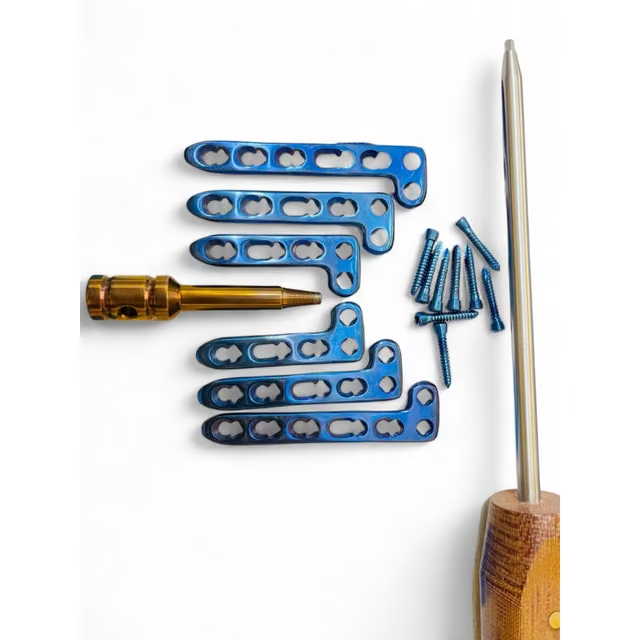
Dorsal locking distal radius plates are metal orthopedic implants used to stabilize certain fractures near the wrist. They are designed to be placed on the back of the distal radius, providing fixation from the dorsal side when the fracture pattern and surgical plan make this approach appropriate.
A typical system consists of a metal plate and compatible screws. The plate is positioned along the bone, and the screws secure it to the relevant bone fragments. In a locking plate system, compatible screw heads engage with threaded holes in the plate, creating a fixed-angle connection between the plate and screws.
Some systems incorporate variable-angle locking technology, which permits the surgeon to select a screw trajectory within a manufacturer-defined range. This feature can help accommodate particular fracture patterns and anatomical requirements when used according to the implant's instructions.
The precise design, available sizes, screw options, and approved indications vary by manufacturer and implant system.
What Are Dorsal Locking Distal Radius Plates Used For?
Dorsal locking distal radius plates are used primarily for surgical stabilization of selected distal radius fractures. Their suitability depends on the fracture configuration, bone quality, soft-tissue condition, and the surgeon's assessment.
1. Fixation of Unstable Distal Radius Fractures
Some distal radius fractures are difficult to maintain in an acceptable position with casting alone. Fracture fragments may shift because of the injury pattern, instability, or other clinical factors.
When surgery is indicated, a dorsal locking plate can help hold the bone fragments in the intended alignment. The plate and screws provide mechanical stabilization while the bone heals.
2. Management of Selected Intra-Articular Fractures
An intra-articular fracture extends into the joint surface. These injuries may involve multiple fragments and can require careful restoration of the wrist's joint alignment.
Depending on the fracture pattern, a dorsal plate may provide access and fixation options for selected fragments. The objective is to achieve appropriate reduction and stable fixation while minimizing disruption to surrounding structures.
Not every intra-articular fracture requires dorsal plating. The surgical approach and implant selection depend on the specific anatomy and clinical circumstances.
3. Fixation of Dorsal Fracture Fragments
Certain distal radius fractures involve dorsal displacement, dorsal comminution, or fragments that may be difficult to control using another fixation approach.
In selected cases, dorsal plate placement can provide direct support for these fragments. The plate configuration and screw direction must be appropriate for the fracture anatomy and the manufacturer's design specifications.
4. Support for Fractures With Multiple Bone Fragments
Comminuted fractures involve several bone fragments rather than a single fracture line. These injuries can present challenges because the fragments may be difficult to align and stabilize.
A suitable dorsal locking plate system may help secure selected fragments and maintain fracture reduction. However, the appropriate fixation strategy depends on the number, size, location, and stability of the fragments, as well as bone quality.
5. Selected Fractures Requiring Dorsal Surgical Access
The dorsal approach may be considered when the location and configuration of the fracture make dorsal access advantageous. Implant selection should be based on the fracture pattern rather than on the plate's position alone.
Dorsal plates are not universally preferable to volar plates. Each approach has specific benefits, limitations, and potential complications that the treating surgeon must consider.
How Do Dorsal Locking Plates Work?
Dorsal locking plates work by creating a stable mechanical connection between the plate and the bone fragments.
The process generally involves several stages:
Fracture assessment: The surgeon evaluates the fracture using clinical examination and appropriate imaging.
Fracture reduction: The bone fragments are repositioned to achieve the intended alignment.
Plate positioning: A suitable dorsal plate is placed on the radius according to the selected surgical technique.
Screw fixation: Compatible screws secure the plate to the bone. In a locking system, the screw heads engage with the plate's threaded holes.
Postoperative management: The patient receives follow-up care and rehabilitation according to the fracture, fixation stability, and clinical plan.
The plate helps maintain fracture alignment during healing. It does not replace the biological healing process, and successful outcomes depend on multiple factors, including the injury, bone quality, fixation, and postoperative care.
Key Features of Dorsal Locking Distal Radius Plates
The design of a dorsal locking plate system can influence its suitability for particular fractures.
Locking Screw Compatibility
Locking screws engage with specially designed plate holes to form a fixed-angle construct. Only screws approved for the specific plate system should be used, following the manufacturer's instructions.
Variable-Angle Technology
Some dorsal locking plates feature variable-angle holes that allow screw placement within a defined angular range. This can offer flexibility when addressing selected fracture fragments. The permitted angles and screw options are system-specific.
Plate Shape and Size
Plate dimensions and contour influence how the implant fits the dorsal surface of the radius. The appropriate size depends on patient anatomy, fracture configuration, and the implant manufacturer's guidance.
Material and Construction
Orthopedic plates are manufactured from materials suitable for implant use, commonly specified grades of titanium alloy or stainless steel. The exact material should be confirmed from the product documentation rather than assumed from its appearance.
Compatible Screw Options
A complete plate system may offer screws in different lengths or configurations. Correct selection requires consideration of the plate design, bone anatomy, fracture pattern, and manufacturer specifications.
Dorsal Locking Plates vs. Volar Locking Plates
Dorsal and volar locking plates are both used for selected distal radius fractures, but they differ in their placement and potential applications.
| Feature | Dorsal locking plate | Volar locking plate |
|---|---|---|
| Placement | Back of the distal radius | Palm-side surface of the distal radius |
| Potential application | Selected fractures with dorsal fragments or patterns suited to dorsal access | Many distal radius fractures, depending on fracture configuration |
| Fixation approach | Supports fixation from the dorsal side | Supports fixation from the volar side |
| Important considerations | Extensor tendons and dorsal soft tissues | Flexor tendons and the position of the plate relative to the volar rim |
| Selection factors | Fracture anatomy, fragment location, and implant design | Fracture anatomy, fragment location, and implant design |
Neither approach is suitable for every fracture. Dorsal plating can be associated with extensor tendon irritation or injury, while volar plating can present risks to flexor tendons if plate positioning is inappropriate. The surgeon evaluates these risks when selecting the fixation method.
Benefits and Limitations of Dorsal Locking Distal Radius Plates
When appropriately selected, dorsal locking plates offer several potential advantages:
Provide stabilization for selected distal radius fractures.
Allow fixation from the dorsal side of the radius.
Offer options for supporting certain dorsal fracture fragments.
May provide variable-angle screw placement when the system includes this feature.
Help maintain fracture reduction while healing takes place.
However, dorsal plates also have limitations. Their suitability depends on the fracture pattern, bone quality, soft-tissue condition, and implant design. Potential complications include infection, loss of reduction, hardware irritation, tendon irritation or injury, and the need for additional surgery.
The benefits and risks must be assessed for each patient. The choice of implant should be guided by clinical evaluation and the manufacturer's approved indications.
How to Select a Dorsal Locking Distal Radius Plate System
Hospitals, orthopedic surgeons, and medical procurement teams should consider the following factors when evaluating dorsal locking plates and compatible screws.
1. Intended indication: Confirm that the implant is designed and approved for the fracture pattern being treated.
2. Plate dimensions: Review the available sizes, contours, and configuration options.
3. Locking technology: Determine whether the system uses fixed-angle or variable-angle locking holes and confirm the relevant specifications.
4. Screw compatibility: Verify approved screw types, diameters, lengths, and permitted trajectories.
5. Material documentation: Confirm the implant material and applicable technical specifications.
6. Regulatory and quality documentation: Review the manufacturer's labeling, traceability information, and relevant regulatory documentation for the intended market.
7. Complete system compatibility: Ensure that the plate, screws, and associated instruments are compatible with one another.
These checks help ensure that purchasing decisions are based on documented product specifications rather than assumptions about similar-looking implants.
Conclusion
Dorsal locking distal radius plates are orthopedic implants used to stabilize selected fractures near the wrist by securing bone fragments from the dorsal side of the radius. They may be particularly useful for fracture patterns involving dorsal fragments or other configurations for which dorsal fixation is appropriate.
Locking screw technology and, in some systems, variable-angle options provide fixation choices tailored to specific fracture patterns. Nevertheless, dorsal plates are not appropriate for every distal radius fracture, and their use requires careful consideration of anatomy, implant design, and potential complications.
For orthopedic professionals and medical procurement teams, understanding the intended applications, screw compatibility, material specifications, and limitations of dorsal locking plate systems supports informed implant selection and appropriate clinical use.
Frequently Asked Questions
1. What are dorsal locking distal radius plates used for?
They are used to stabilize selected fractures of the distal radius, the end of the radius bone near the wrist. They secure fracture fragments from the dorsal, or back, side of the bone.
2. What is the difference between dorsal and volar distal radius plates?
Dorsal plates are positioned on the back of the radius, while volar plates are placed on its palm-side surface. The appropriate option depends on the fracture pattern, anatomy, surgical approach, and implant design.
3. What is a variable-angle locking plate?
A variable-angle locking plate is an implant system that permits compatible locking screws to be inserted at different trajectories within a manufacturer-defined range. This can provide additional flexibility in selected fracture patterns.
4. What types of fractures may require dorsal locking plates?
Selected unstable, comminuted, or intra-articular distal radius fractures may be treated with dorsal fixation when the fracture anatomy and clinical assessment support this approach.
5. What materials are used to manufacture dorsal locking plates?
Depending on the product, orthopedic plates may be made from implant-grade titanium alloys or stainless steel. The exact material should be verified using the manufacturer's documentation.
6. Are dorsal locking plates suitable for all wrist fractures?
No. They are designed for particular distal radius fracture indications and are not suitable for every wrist fracture. Implant selection depends on the injury, anatomy, patient factors, and clinical judgment.
7. Why is screw compatibility important in dorsal locking plate systems?
The screws must match the plate's locking mechanism and technical specifications. Using incompatible screws can compromise the intended fixation construct.
8. What should buyers check before purchasing dorsal locking distal radius plates?
Buyers should review the implant's intended use, available sizes, locking technology, material specifications, compatible screws, manufacturer documentation, and relevant regulatory requirements.