

When it comes to ensuring the success and safety of medical procedures, the quality of surgical instruments plays a vital role. Hospitals and clinics require reliable, durable, and precise tools for effective surgeries, whether for routine procedures or complex operations.
In this blog post, we’ll explore some of the best surgical instruments for hospitals and clinics, highlighting essential tools that every medical facility should invest in to deliver excellent care to patients.
1. Surgical Scissors
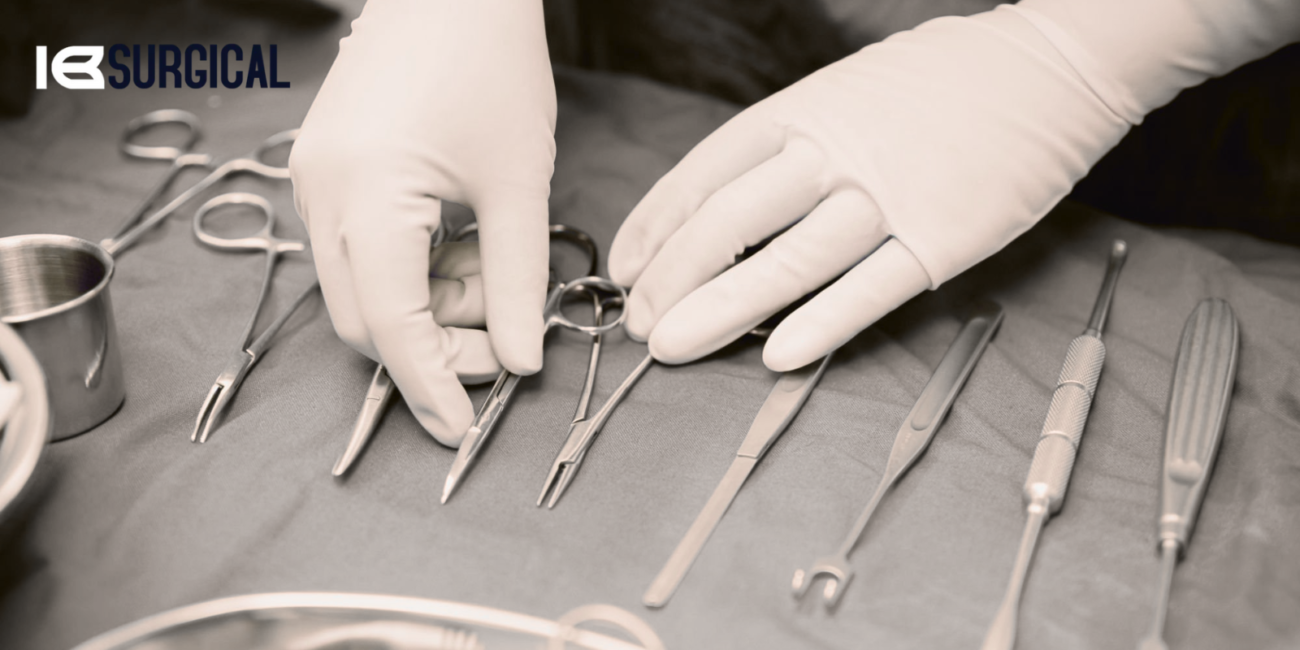
Surgical scissors are one of the most essential tools in any operating room. They are used for cutting tissues, sutures, and other materials during various surgical procedures. Surgical scissors come in different types, including straight, curved, fine, and blunt-tipped, each designed for specific tasks. Hospitals and clinics should invest in high-quality stainless steel surgical scissors, as they are durable and maintain sharpness for long periods.
Key Features:
- Precision cutting
- Comfortable handles for prolonged use
- Stainless steel construction for durability
2. Surgical Forceps
Forceps are used to hold, grasp, or clamp tissues, blood vessels, or other organs during surgery. They are critical for minimizing tissue damage and ensuring the surgeon has a steady grip during delicate operations. Forceps come in a variety of shapes and sizes, from fine-tipped to heavy-duty, depending on the procedure. Hospitals should have a complete set of forceps, including tissue forceps, hemostatic forceps, and biopsy forceps, to cater to different surgical needs.
Key Features:
- Variety of shapes and sizes
- Lightweight and ergonomic design
- Non-slip grip for maximum control
3. Scalpels
A scalpel is a small, extremely sharp knife used for making incisions in the skin and other tissues. Surgical scalpels are essential for making precise, clean cuts during surgery, which helps reduce patient recovery time and minimizes the risk of complications. Hospitals should stock a variety of scalpel blades, with disposable and reusable options. High-quality scalpel handles and blades should be chosen for their sharpness and ease of use.
Key Features:
- Precision blades for clean incisions
- Available in various sizes for different procedures
- Option for disposable or reusable blades
4. Needle Holders
Needle holders are essential tools for holding needles while suturing tissues. They ensure that the needle is held securely and allow the surgeon to focus on sewing the tissues together without worrying about needle slippage. High-quality needle holders should have a firm grip, an ergonomic design, and a secure locking mechanism to prevent accidental release during procedures. Hospitals and clinics should invest in a variety of needle holders to match different suture sizes and materials.
Key Features:
- Secure grip for precise suturing
- Locking mechanism for added safety
- Ergonomic design for comfort during prolonged use
5. Hemostats
Hemostats are clamp-like instruments used to stop the flow of blood by constricting blood vessels or tissues. They are essential for managing bleeding during surgery and ensuring the area remains clear for better visibility. Hemostats come in a range of sizes, from small to large, for different areas of the body. Hospitals and clinics must invest in high-quality hemostats made from stainless steel to ensure their reliability and long-term use.
Key Features:
- Strong clamping force to control bleeding
- Available in various sizes for different procedures
- Easy-to-use locking mechanism
6. Surgical Drills and Saw Blades
Surgical Instruments In orthopedic surgeries and other specialized procedures, surgical drills and saw blades are essential for cutting through bone and other hard tissues. These instruments should be durable, precise, and easy to handle. High-quality surgical drills and saws should come with different attachments to cater to various types of bone procedures. Hospitals must ensure that they are investing in tools from reputable suppliers to guarantee both performance and safety.
Key Features:
- Precision drilling and cutting action
- Ergonomic handles for easy control
- Interchangeable attachments for different surgeries
7. Surgical Sponges and Towels
While not instruments in the traditional sense, surgical sponges and towels are necessary for every surgery. They are used to absorb fluids, keep the surgical area clean, and provide sterile coverage during operations. Hospitals should always stock a variety of sterile sponges and towels to prevent infection and ensure a clean surgical field.
Key Features:
- Absorbent and durable
- Sterile packaging to maintain hygiene
- Available in different sizes for different procedures
8. Surgical Drapes and Covers
Surgical drapes and covers are essential for maintaining a sterile environment during surgery. They are used to cover the patient and surrounding areas, helping to prevent infections. High-quality, breathable, and sterile drapes and covers should be used to protect the patient and the surgical team from contamination. Hospitals and clinics should stock a range of sizes and types of drapes to ensure they are prepared for various procedures.
Key Features:
- Sterile to maintain a clean environment
- Breathable material to prevent overheating
- Available in different sizes for various surgeries
Conclusion: Investing in Quality Surgical Instruments
Surgical Instruments For hospitals and clinics, investing in high-quality surgical instruments is essential to ensure patient safety and improve surgical outcomes. From precision instruments like surgical scissors and scalpels to essential tools like forceps and hemostats, each instrument plays a crucial role in a successful surgical procedure.
At IB Surgical, we offer a wide range of premium surgical instruments designed to meet the highest medical standards. Whether you’re outfitting a hospital or a clinic, we provide reliable, durable, and precise surgical tools to meet the needs of every surgery. With a focus on quality and performance, our surgical instruments ensure that healthcare professionals can deliver the best care possible.
For more information or to order your surgical instruments, visit our website and explore our comprehensive selection of tools, all designed to help improve surgical success rates and patient safety. Invest in the best surgical instruments today and ensure your medical facility has the right tools for every procedure. Visit facebook.com.