

Choice of Materials Used in Cardiovascular Devices is One of the most challenging areas in contemporary medicine is cardiovascular surgery. Surgical operations on the heart and blood vessels must be extremely precise, reliable, and controlled. All the surgical tools applied in these procedures should work perfectly, as even the slightest variations can affect patient safety and surgical outcomes. Among the most significant aspects of instrument performance is material selection.
The components of cardiovascular surgical instruments have a direct impact on their strength, accuracy, durability, biocompatibility, and resistance to corrosion. The selection of the appropriate material is not only a manufacturing choice but a clinical requirement. Here you can read The Reason Behind the Choice of Materials Used in Cardiovascular Devices.
Choice of Materials Used in Cardiovascular Devices and Surgery
Cardiovascular instruments are exposed to extreme surgical conditions. They must withstand constant contact with blood, body fluids, sterilization chemicals, and high temperatures. Instruments such as vascular clamps, forceps, needle holders, scissors, and retractors are used in sensitive anatomical areas where precision and reliability are critical.
The choice of material defines how well an instrument performs under these demanding conditions. Substandard materials may lead to corrosion, wear, or contamination risks. High-quality materials ensure that instruments remain safe, effective, and consistent even after repeated use. visit single use instruments.
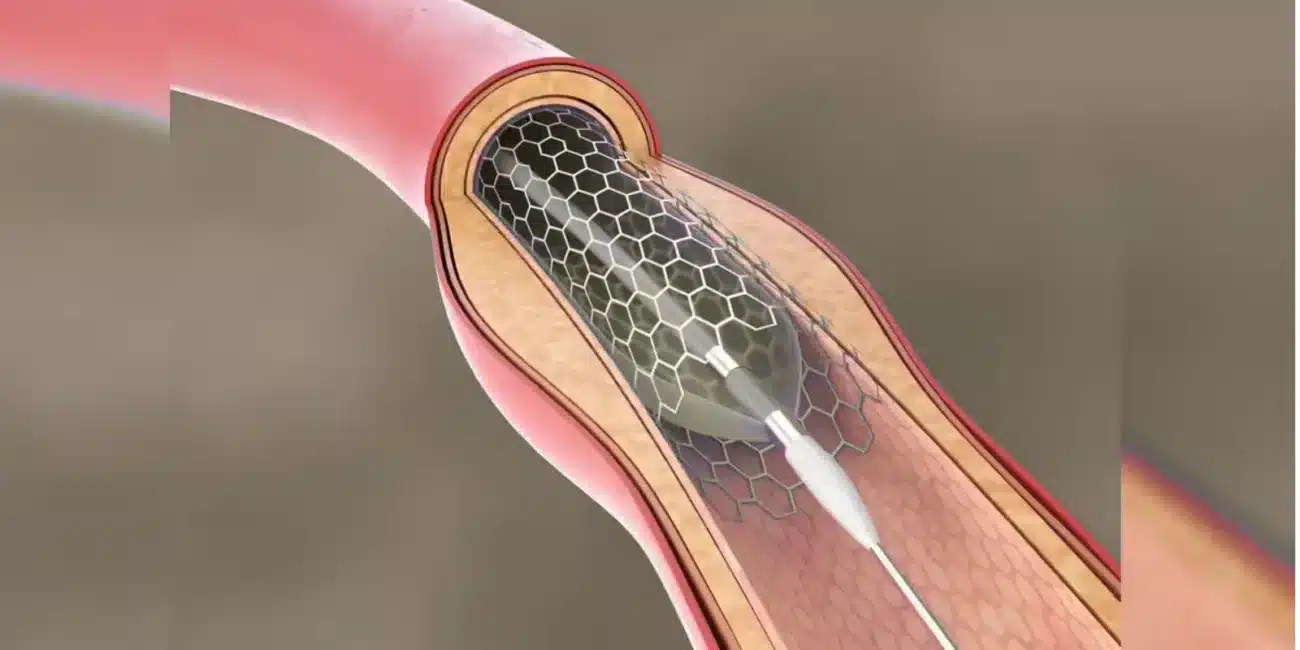
Stainless Steel: The Foundation of Cardiovascular Instruments
High-grade surgical stainless steel is the most commonly used material in cardiovascular instruments. It offers an ideal balance of strength, corrosion resistance, and durability.
Premium stainless steel resists rust and surface pitting even after repeated sterilization cycles. It supports the fine instrument designs required in delicate cardiovascular procedures. This is particularly important for instruments used in vessel manipulation, suturing, and clamping, where consistent performance is essential.
Choice of Materials Used in Cardiovascular Devices are Proper selection of stainless steel also ensures that instruments retain their shape and alignment over time, reducing the risk of instrument failure during surgery.
Corrosion Resistance and Its Significance
Choice of Materials Used in Cardiovascular Devices frequently come into contact with blood, saline solutions, and disinfectants. If materials lack corrosion resistance, surface damage may occur, compromising sterility and safety.
Corrosion can create microscopic surface defects where bacteria may accumulate, increasing infection risks. Choice of Materials Used in Cardiovascular Devices of High-quality materials help prevent these issues by maintaining smooth surfaces that are easy to clean and sterilize. Corrosion-resistant materials also extend the lifespan of instruments, providing long-term value for hospitals and surgical centers while maintaining patient safety.
Choice of Materials Used in Cardiovascular Devices Biocompatibility and Patient Safety
Biocompatibility is a critical requirement for cardiovascular instruments. Materials must be safe for direct contact with blood and tissues without causing adverse reactions.
High-quality surgical materials are designed to be non-reactive, preventing allergic responses or tissue irritation. This is especially important in cardiovascular procedures where instruments interact closely with heart tissue and blood vessels. The use of biocompatible materials supports proper healing and reduces postoperative complications, contributing to improved patient outcomes.
Precision and Control Through Material Quality
Material selection directly influences how precisely an instrument can be manufactured. Cardiovascular surgery requires instruments with fine tips, accurate alignment, and controlled tension.
Inferior materials may bend, flex, or wear out over time, reducing accuracy and surgeon control. High-grade materials allow manufacturers to produce instruments with exact tolerances, ensuring stable grip, smooth movement, and consistent performance. This level of precision is essential during vessel suturing, clamping, and dissection, where even minimal instability can affect surgical success.
Durability and Reusability
Cardiovascular instruments represent a significant investment for healthcare facilities. They must endure repeated use and sterilization without compromising performance.
High-quality materials help instruments retain their strength, sharpness, and functionality over time. Durable instruments reduce replacement costs and minimize the risk of unexpected failure during procedures. Reusability is especially important for hospitals and clinics seeking to balance cost efficiency with high surgical standards.
Ergonomics and Surgeon Comfort
Material choice also affects instrument weight and balance. Cardiovascular procedures are often lengthy, requiring surgeons to maintain steady control for extended periods.
Well-selected materials allow instruments to be strong yet lightweight, reducing hand fatigue and improving maneuverability. Proper balance enhances precision and surgeon comfort during complex procedures. Ergonomically refined instruments contribute to smoother workflows and improved overall surgical performance.
Compliance With Surgical Standards
High-quality materials support compliance with international surgical and safety standards. Instruments manufactured using approved materials are more likely to meet regulatory requirements and institutional quality controls. This compliance reassures healthcare providers that their instruments are safe, reliable, and suitable for critical cardiovascular procedures.
Selecting the Right Cardiovascular Instruments
Material quality should be a top priority when selecting cardiovascular instruments. Key considerations include corrosion resistance, durability, precision, biocompatibility, and ease of sterilization.
Investing in well-manufactured instruments made from premium materials ensures consistent performance and long-term reliability, supporting both patient safety and operational efficiency.
Quality Cardiovascular Instruments at IB Surgical
Choice of Materials Used in Cardiovascular Devices At IB Surgical, we understand the importance of material selection in cardiovascular instruments. Our products are manufactured using carefully selected, high-quality materials designed to meet the demanding requirements of cardiovascular surgery.
Each instrument is crafted with precision, durability, and performance in mind. Our commitment to quality ensures that hospitals, clinics, and surgical centers receive reliable tools they can trust in critical procedures. We focus on delivering instruments that support surgical accuracy, patient safety, and long-term value for healthcare professionals worldwide.
Final Thoughts
Choice of Materials Used in Cardiovascular Devices selection plays a vital role in the safety, effectiveness, and longevity of cardiovascular surgical instruments. Corrosion resistance, biocompatibility, precision, and durability are essential to ensure reliable performance in demanding surgical environments.
Choice of Materials Used in Cardiovascular Devices high-quality cardiovascular instruments from a trusted supplier, healthcare professionals can enhance surgical outcomes, protect patient safety, and maintain confidence in every procedure. Investing in superior materials is an investment in precision, reliability, and excellence in cardiovascular surgery. Visit pinterest.com.