

Sterilization is one of the most critical and non-negotiable responsibilities in any medical, dental, or veterinary facility. Every surgical procedure no matter how minor carries a risk of infection if instruments are not properly sterilized. Effective sterilization protects patients, surgeons, nurses, veterinarians, technicians, and support staff from harmful microorganisms such as bacteria, viruses, fungi, mycobacteria, and resistant spores.
The Sterilization of Surgical Instrumentation (autoclaving) is widely recognized as the gold standard, it is not always suitable. Modern surgical practice increasingly relies on heat-sensitive, moisture-sensitive, and delicate instruments that can be damaged by high temperatures or pressure. In such situations, chemical sterilization of surgical instruments becomes an essential and reliable alternative.
This detailed Sterilization of Surgical Instrumentation, human-written guide explains chemical sterilization in depth what it is, how it works, which chemical agents are commonly used, step-by-step procedures, advantages, limitations, safety precautions, quality control measures, and best practices. Whether you manage a hospital, clinic, dental office, veterinary practice, or surgical instrument manufacturing business, this guide will help you understand chemical sterilization and implement it correctly.
1. What Is Chemical Sterilization of Surgical Instrumentation?
Chemical Sterilization of Surgical Instrumentation is a sterilization method that uses liquid or gaseous chemical agents to destroy all forms of microbial life present on surgical instruments and medical devices. When performed correctly, chemical sterilization is capable of eliminating:
- Gram-positive and gram-negative bacteria
- Viruses (enveloped and non-enveloped)
- Fungi and yeasts
- Mycobacteria (including tuberculosis organisms)
- Bacterial spores
Unlike physical sterilization methods such as steam or dry heat, chemical sterilization does not rely on high temperatures. This makes it particularly suitable for instruments that may be damaged, warped, or degraded by heat or pressure. Visit contact us.
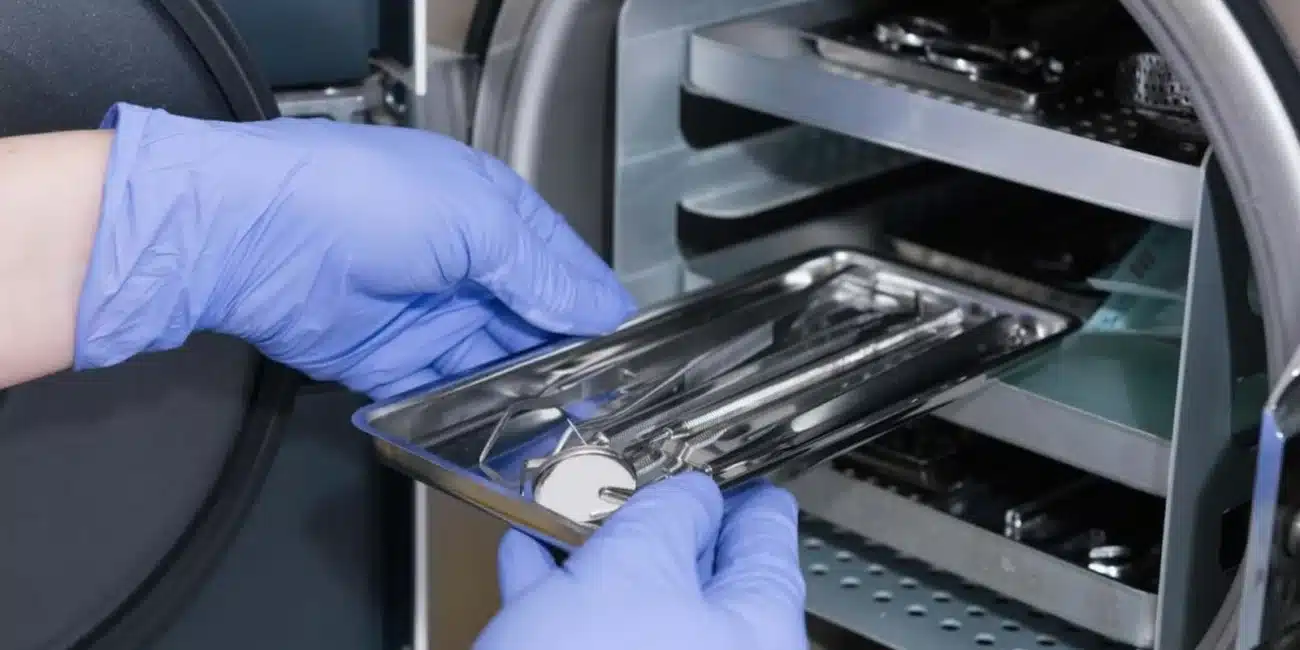
Instruments Commonly Sterilized Using Chemical Methods
- Flexible and rigid endoscopes
- Plastic or polymer surgical instruments
- Optical and fiber-optic devices
- Rubber and silicone components
- Powered or electronic surgical tools
- Instruments with adhesives or special coatings
Types of Chemical Sterilization of Surgical Instrumentation
Chemical Sterilization of Surgical Instrumentation generally falls into two main categories:
1. Liquid Chemical Sterilization
Instruments are fully immersed in a chemical solution for a specific period of time.
2. Gaseous Chemical Sterilization
Instruments are placed in sealed chambers and exposed to sterilizing gases under controlled conditions.
2. Importance of Chemical Sterilization of Surgical Instrumentation in Modern Surgery
Surgical instruments used today are far more complex than those used in the past. Many modern devices contain:
- Plastic or composite materials
- Fiber-optic and optical systems
- Electronic and battery-operated components
- Heat-sensitive adhesives, seals, and coatings
Repeated exposure to steam autoclaves can cause cracking, corrosion, loss of sharpness, malfunction, or complete instrument failure. Chemical sterilization provides a safe and effective alternative that maintains infection control standards while protecting instrument integrity.
Key Reasons for Using Chemical Sterilization
- Protects delicate and heat-sensitive instruments
- Preserves fine surfaces and coatings
- Prevents corrosion caused by repeated steam exposure
- Extends the functional lifespan of instruments
- Ensures sterility when other methods are not feasible
3. Commonly Used Chemical Sterilizing Agents
Several chemical sterilants are used worldwide. Each has unique properties, advantages, and limitations.
3.1 Glutaraldehyde
Glutaraldehyde is one of the most widely used liquid chemical sterilants in healthcare settings.
Key Characteristics
- Typically used in a 2% solution
- Works by cross-linking microbial proteins
- Effective against bacteria, viruses, fungi, mycobacteria, and spores
Required Exposure Time
- High-level disinfection: ~20 minutes
- Complete sterilization: 8–10 hours
Common Applications
- Endoscopes
- Bronchoscopes
- Plastic and rubber surgical instruments
Limitations and Risks
- Toxic fumes
- Skin, eye, and respiratory irritation
- Requires proper ventilation and PPE
3.2 Ortho-Phthalaldehyde (OPA)
OPA is considered a safer and more user-friendly alternative to glutaraldehyde.
Key Characteristics
- Used at lower concentrations
- Strong antimicrobial activity
- Minimal odor
Exposure Time
- High-level disinfection: ~12 minutes
Advantages
- Less irritating to staff
- No activation required
- Stable solution
Limitations
- Higher cost
- Can stain skin, clothing, and some materials
3.3 Hydrogen Peroxide
Hydrogen peroxide is used in both liquid form and as vaporized hydrogen peroxide (VHP).
Key Characteristics
- Strong oxidizing agent
- Breaks down into water and oxygen
Applications
- Endoscopes
- Optical instruments
- Powered surgical tools
Advantages
- Environmentally friendly
- No toxic residues
Limitations
- Material compatibility concerns
- Requires precise concentration control
3.4 Peracetic Acid
Peracetic acid is a fast-acting and highly effective chemical sterilant.
Key Characteristics
- Remains effective even in the presence of organic matter
- Works at low temperatures
Advantages
- Rapid antimicrobial action
- Broad-spectrum effectiveness
Limitations
- Corrosive at high concentrations
- Requires careful handling and training
3.5 Ethylene Oxide (EtO) Gas
Ethylene oxide is a gaseous chemical sterilant commonly used in industrial and hospital environments.
Key Characteristics
- Excellent penetration into complex instrument designs
- Effective at low temperatures
Common Applications
- Complex surgical kits
- Plastic and electronic medical devices
Limitations
- Toxic and flammable
- Long aeration times required
- Strict regulatory controls
4. Step-by-Step Process of Chemical Sterilization
Chemical Sterilization of Surgical Instrumentation must follow strict protocols to ensure effectiveness and safety.
Step 1: Pre-Cleaning
Before sterilization, instruments must be thoroughly cleaned.
- Remove blood, tissue, and organic debris
- Use approved enzymatic detergents
- Rinse thoroughly with clean water
Pre-cleaning is essential because organic matter can significantly reduce chemical effectiveness.
Step 2: Disassembly
- Disassemble multi-component instruments
- Open hinges, joints, and lumens
This ensures the sterilant contacts all surfaces.
Step 3: Immersion or Gas Exposure
- Fully immerse instruments in liquid sterilant or
- Place instruments in controlled gas sterilization chambers
- Maintain required exposure time strictly
Never shorten exposure time, as this compromises sterility.
Step 4: Rinsing
- Rinse instruments with sterile or filtered water
- Remove all chemical residues
Inadequate rinsing may cause tissue irritation or chemical burns.
Step 5: Drying and Storage
- Dry instruments using sterile towels or air drying
- Store in sterile trays, containers, or packaging
5. Advantages of Chemical Sterilization
Chemical sterilization offers several important benefits:
- Suitable for heat- and moisture-sensitive instruments
- Minimal physical damage
- Effective against a wide range of microorganisms
- Flexible application methods
6. Limitations and Challenges
Despite its advantages, chemical sterilization has limitations:
- Toxicity risks to staff
- Longer processing times
- Potential chemical residue
- Higher operational costs
- Environmental concerns
Chemical sterilization should be used selectively and responsibly.
7. Safety Precautions and Handling Guidelines
To ensure safety:
- Wear appropriate personal protective equipment (PPE)
- Work in well-ventilated areas
- Follow manufacturer instructions strictly
- Monitor and record chemical concentrations
- Provide regular staff training
8. Quality Control and Monitoring
Quality assurance is essential for effective sterilization.
- Use chemical indicators
- Maintain detailed sterilization records
- Perform routine audits
- Validate exposure times regularly
9. Chemical Sterilization in Veterinary Practice
Veterinary clinics commonly use chemical sterilization for:
- Endoscopic instruments
- Small animal surgical tools
- Dental equipment
This ensures safe reuse while protecting animal patients.
10. Regulatory Guidelines and Standards
Chemical sterilization must comply with:
- FDA guidelines
- CDC recommendations
- ISO standards
- Local healthcare regulations
Always follow regional compliance requirements.
11. Best Practices for Long-Term Instrument Care
- Rotate sterilization methods when possible
- Inspect instruments regularly
- Replace worn or corroded tools promptly
- Document all sterilization cycles
12. Conclusion
Chemical sterilization of surgical instruments is a vital component of modern infection control. When used correctly, it provides a safe and effective solution for sterilizing heat-sensitive and delicate instruments without compromising patient safety or instrument integrity. Sterilization of Surgical Instrumentation A clear understanding of chemical agents, proper procedures, safety precautions, and regulatory standards ensures consistent, reliable outcomes.
When integrated into a comprehensive sterilization strategy, chemical sterilization helps healthcare providers achieve the highest levels of hygiene, safety, and clinical excellence. Visit Facebook.com.