

Manual and Power Orthopedic Instruments is a specialized field that demands a high level of precision, control, and reliability. Surgical instruments play a vital role in determining surgical outcomes, operating time, and overall procedural safety.
Among the most commonly used tools in orthopedic procedures are Manual and Power Orthopedic Instruments. While Manual and Power Orthopedic Instruments are essential, understanding their differences helps surgeons, hospitals, and clinics choose the most suitable instruments for each surgical application.
What Are Manual Orthopedic Instruments?
Manual orthopedic instruments are hand-operated tools that rely entirely on the surgeon’s skill, strength, and control. These instruments have been used for decades and remain indispensable in many orthopedic procedures today.
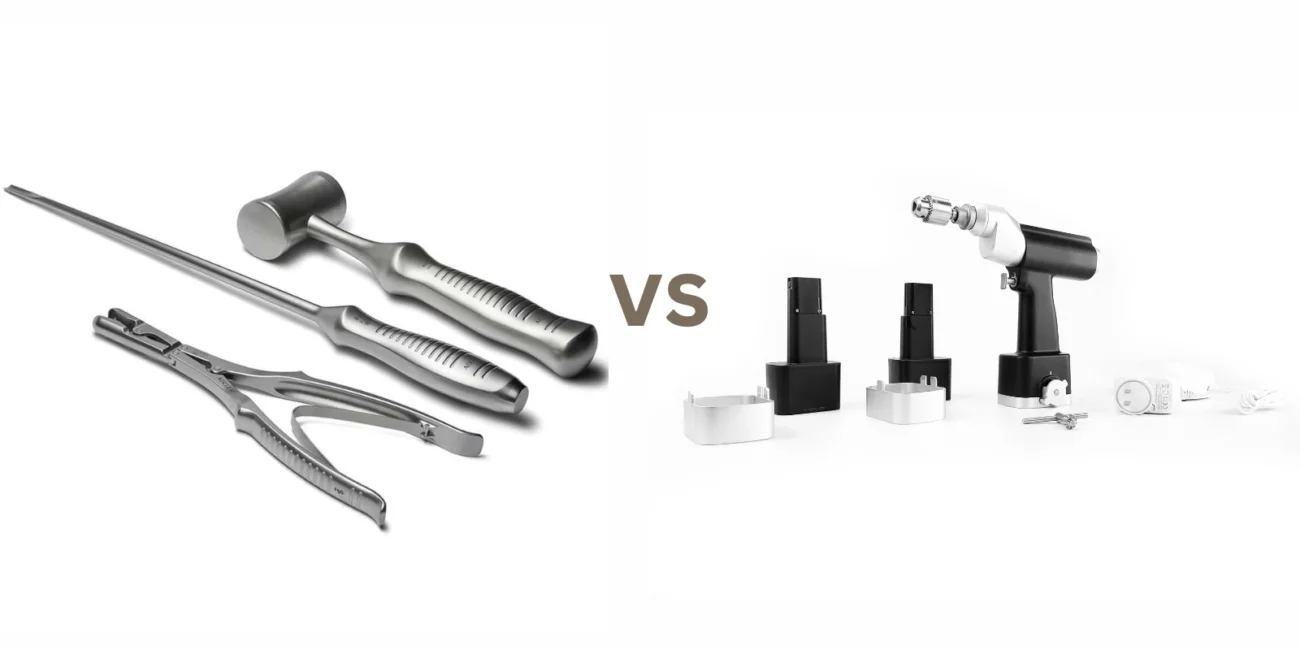
Common Examples of Manual Orthopedic Instruments
Typical manual instruments include bone holding forceps, osteotomes, chisels, curettes, rasps, manual reamers, mallets, and screwdrivers. These tools allow surgeons to directly feel bone resistance, providing excellent tactile feedback during procedures.
Advantages of Manual Orthopedic Instruments
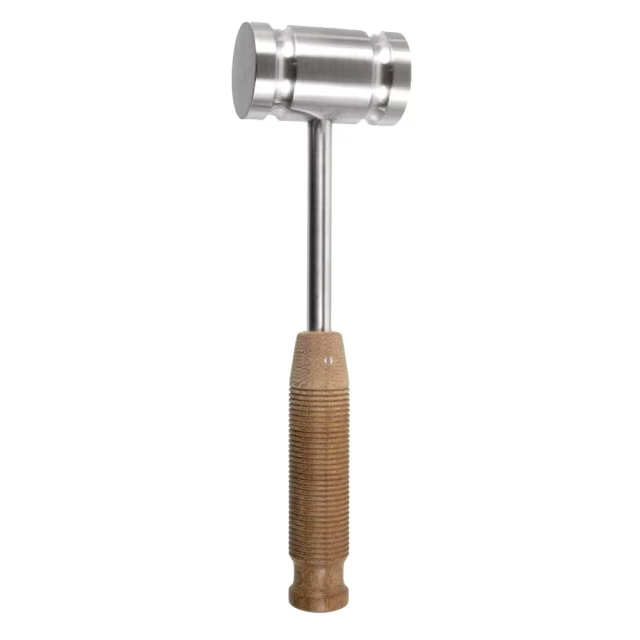
The direct tactile sensation makes manual instruments ideal for delicate surgeries, revision procedures, and cases requiring highly controlled bone manipulation. Additionally, manual instruments are known for their durability and simplicity. With fewer mechanical components, they are easier to clean, sterilize, and maintain. Since they do not require a power source, they remain reliable in any surgical environment.
What Are Power Orthopedic Instruments?
Power orthopedic instruments are motor-driven tools designed to perform high-force and repetitive surgical tasks efficiently. These instruments are commonly powered by electric or battery-operated systems and are widely used in modern orthopedic surgeries.
Common Types of Power Orthopedic Instruments
Examples include orthopedic drills, saws, reamers, burr systems, and oscillating or reciprocating saws. These tools deliver consistent speed and torque while significantly reducing physical strain on the surgeon.
Benefits of Power Orthopedic Instruments
Power instruments are especially useful in trauma cases, joint replacement surgeries, and high-volume surgical settings. By automating demanding tasks, they help reduce operating time and improve workflow efficiency in the operating room.
Key Differences Between Manual and Power Orthopedic Instruments
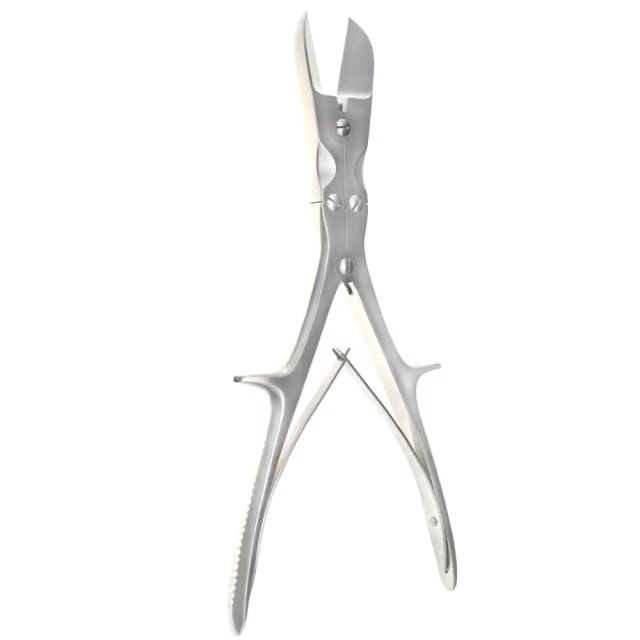
The primary difference between manual and power orthopedic instruments lies in control versus efficiency.
Control and Precision
Manual instruments provide superior tactile feedback, allowing surgeons to feel variations in bone density and resistance. This makes them ideal for precision-focused procedures.
Speed and Efficiency
Power instruments prioritize speed, power, and consistency. Although they generate noise and vibration, they compensate by reducing surgeon fatigue and enabling faster surgical performance.
Maintenance and Longevity
Manual instruments require minimal maintenance and typically have a longer service life. Power instruments, however, require regular inspection, battery management, and technical servicing to ensure optimal performance.
Indications for Using Manual Orthopedic Instruments
Manual orthopedic instruments are most suitable for:
- Precision-focused procedures
- Small bone surgeries
- Revision and corrective operations
- Surgical environments without power equipment
- Surgeons who prefer tactile feedback and direct control
These instruments continue to be essential in orthopedic practice and are often used alongside power tools for safe and effective procedures.
Indications for Using Power Orthopedic Instruments
Power orthopedic instruments are ideal for:
- Trauma and emergency surgeries
- Joint replacement procedures
- High-volume operating rooms
- Procedures involving rapid bone cutting or drilling
- Cases where reduced operating time is critical
Due to their efficiency, power instruments have become standard in modern orthopedic operating theaters.
Selecting the Right Tools for Your Practice
Choosing between manual and power orthopedic instruments depends on surgical requirements, surgeon preference, and facility capabilities. Many orthopedic teams rely on a combination of both to ensure flexibility and optimal performance across various procedures.
At IB Surgical, we offer a comprehensive range of manual and power-compatible orthopedic surgical instruments, designed with precision, durability, and performance in mind. Our instruments meet the demanding needs of hospitals, clinics, and surgical centers worldwide. Visit pinterest.com.
Final Thoughts
Both Manual and power orthopedic instruments play a crucial role in successful orthopedic surgeries. Understanding their differences enables medical professionals to make informed decisions, improve surgical efficiency, and enhance patient outcomes. Selecting high-quality instruments from a trusted supplier ensures reliability, safety, and long-term value in every procedure.