

Kidney surgery, also known as renal surgery, is a complex medical procedure that requires a wide range of specialized instruments. These tools help surgeons perform delicate tasks with precision, control bleeding, and ensure the safety of the patient. Depending on the type of surgery whether open surgery, laparoscopic (minimally invasive), or robotic-assisted—the instruments used may vary. However, there are several common categories of surgical tools that are essential in most kidney procedures.
Understanding Kidney Surgery
Kidney surgeries are performed for various reasons, including removing kidney stones, treating cancer, repairing damage, or performing a kidney transplant. Because the kidneys are located deep within the body and are connected to major blood vessels, surgeons need highly precise instruments to access and operate on them safely.
Basic Surgical Instruments
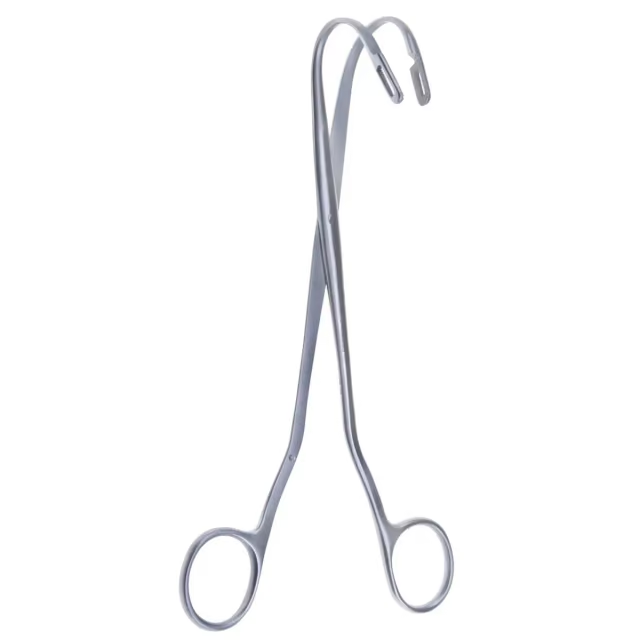
Every kidney surgery begins with a set of standard surgical tools that are used in nearly all operations. These include scalpels, scissors, forceps, and needle holders. A scalpel is used to make incisions in the skin and tissues, while surgical scissors help cut tissues or sutures. Forceps act like tweezers, allowing surgeons to grasp and manipulate tissues carefully. Needle holders are used to hold suturing needles when stitching tissues back together.
Hemostats, or surgical clamps, are also critical at this stage. They help control bleeding by clamping blood vessels, ensuring that the surgical field remains clear and safe.
Retractors and Exposure Instruments
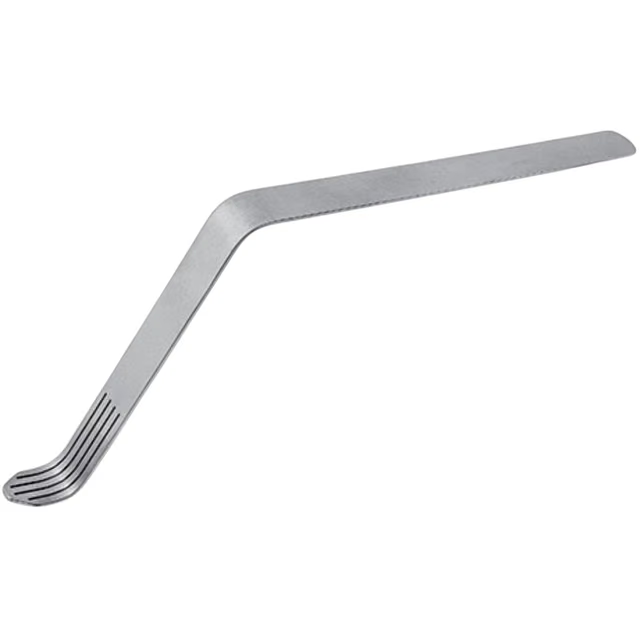
Because the kidneys are located in the back of the abdominal cavity, surgeons must carefully move muscles and tissues aside to access them. Retractors are used for this purpose. These instruments hold tissues open, giving the surgeon a clear view of the surgical site.
Some retractors are handheld, while others are self-retaining, meaning they can stay in place without being held. Proper exposure is essential in kidney surgery, as it reduces the risk of accidental injury to surrounding organs and structures.
Laparoscopic Instruments
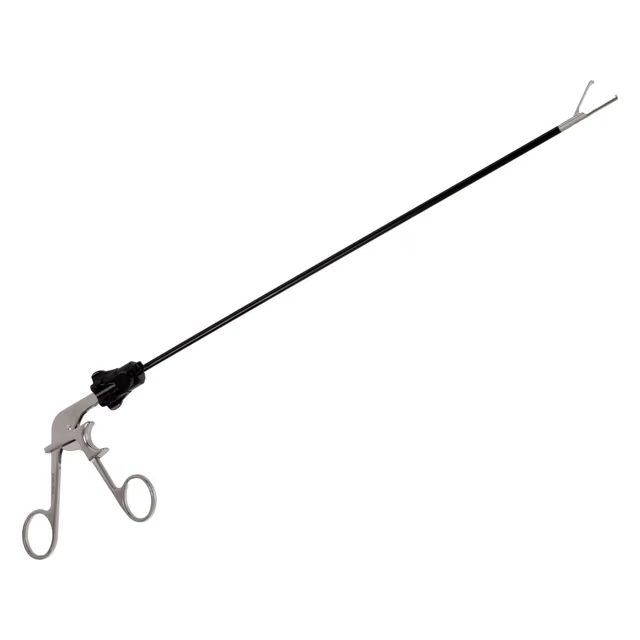
In modern medicine, many kidney surgeries are performed using laparoscopic techniques. This minimally invasive approach involves making small incisions instead of one large cut. Through these small openings, surgeons insert specialized instruments.
One of the most important tools in laparoscopic surgery is the laparoscope—a thin tube with a camera and light source. It allows the surgeon to see inside the body on a monitor. Trocars are also used; these are ports that allow instruments to pass through the abdominal wall.
Other laparoscopic instruments include graspers, scissors, dissectors, and clip appliers. These tools are long and slender, designed to work inside the body with minimal disruption. An insufflator is also used to pump carbon dioxide gas into the abdomen, creating space for the surgeon to operate.
Robotic-Assisted Surgical Instruments
In advanced healthcare settings, robotic-assisted surgery has become increasingly popular for kidney procedures. Systems like robotic surgical platforms allow surgeons to control robotic arms equipped with tiny instruments.
These instruments offer enhanced precision and flexibility. They can rotate and move in ways that human hands cannot, making them ideal for delicate procedures such as partial kidney removal or tumor excision. A high-definition 3D camera provides a detailed view of the surgical area, improving accuracy and outcomes.
Specialized Instruments for Kidney Surgery
Certain instruments are specifically designed for kidney operations. For example, bulldog clamps are used to temporarily block blood flow in the renal artery during surgery. This helps reduce bleeding and allows the surgeon to work more safely.
Energy devices such as electrocautery tools and ultrasonic scalpels are also commonly used. These instruments can cut tissue while simultaneously sealing blood vessels, reducing blood loss and shortening operation time.
Suction and irrigation devices are essential for maintaining a clear surgical field. They remove blood and fluids while also allowing saline solution to be introduced for cleaning the area.
Suturing and Closure Tools
Once the procedure is complete, the surgeon must close the incision. Sutures (stitches) are commonly used to close internal tissues and skin. In some cases, surgical staplers or adhesives may be used for faster and more efficient closure.
Absorbable sutures are often preferred for internal stitching, as they dissolve naturally over time and do not require removal. Proper closure is vital to prevent infection and ensure proper healing.
Importance of These Instruments
Each instrument used in kidney surgery has a specific role, and together they ensure that the procedure is performed safely and effectively. The combination of traditional tools and advanced technologies allows surgeons to handle even the most complex cases with confidence.
Advancements in surgical instruments have significantly improved patient outcomes. Minimally invasive and robotic techniques have reduced recovery time, minimized pain, and lowered the risk of complications.
Conclusion
Kidney surgery relies on a diverse set of surgical instruments, ranging from basic tools like scalpels and forceps to advanced devices used in laparoscopic and robotic procedures. Each instrument plays a crucial role in ensuring precision, safety, and successful outcomes.
As medical technology continues to evolve, these instruments will become even more sophisticated, further improving the quality of care for patients undergoing kidney surgery. Understanding these tools highlights the skill and precision required in modern surgical practice and the importance of innovation in healthcare.