

Operative dentistry is one of the most fundamental and practical branches of dental science. It focuses on the diagnosis, prevention, and treatment of defects in teeth caused by dental caries, trauma, tooth wear, erosion, and developmental abnormalities. The ultimate goal of operative dentistry is to preserve natural teeth for as long as possible while restoring their normal function, form, and aesthetics.
At the core of operative dentistry lies the effective and skillful use of dental instruments. These instruments enable dentists to work with precision in a confined oral environment, perform delicate procedures safely, and achieve predictable long-term results. Without properly designed and purpose-specific dental instruments, modern operative dental care would not be possible.
This comprehensive, human-written guide explains The Reason Behind the Use of Dental Instruments in Operative, their importance, functions, classifications, and the critical role they play in accuracy, patient safety, efficiency, and long-term treatment success.
1. Understanding Operative Dentistry
Operative dentistry primarily deals with procedures that aim to conserve natural tooth structure and restore teeth affected by disease or damage. Unlike prosthodontics or oral surgery, operative dentistry emphasizes minimal intervention and maximum preservation. visit Retractors.
Common Operative Dentistry Procedures Include:
- Removal of dental caries
- Cavity preparation
- Placement of dental restorations (fillings)
- Management of fractured or cracked teeth
- Replacement of defective or failed restorations
- Preventive treatments such as pit and fissure sealants
These procedures are extremely delicate because dentists work within a small, moist, and sensitive oral cavity, often requiring millimeter-level accuracy. Dental instruments are specially engineered to meet these demanding clinical requirements.
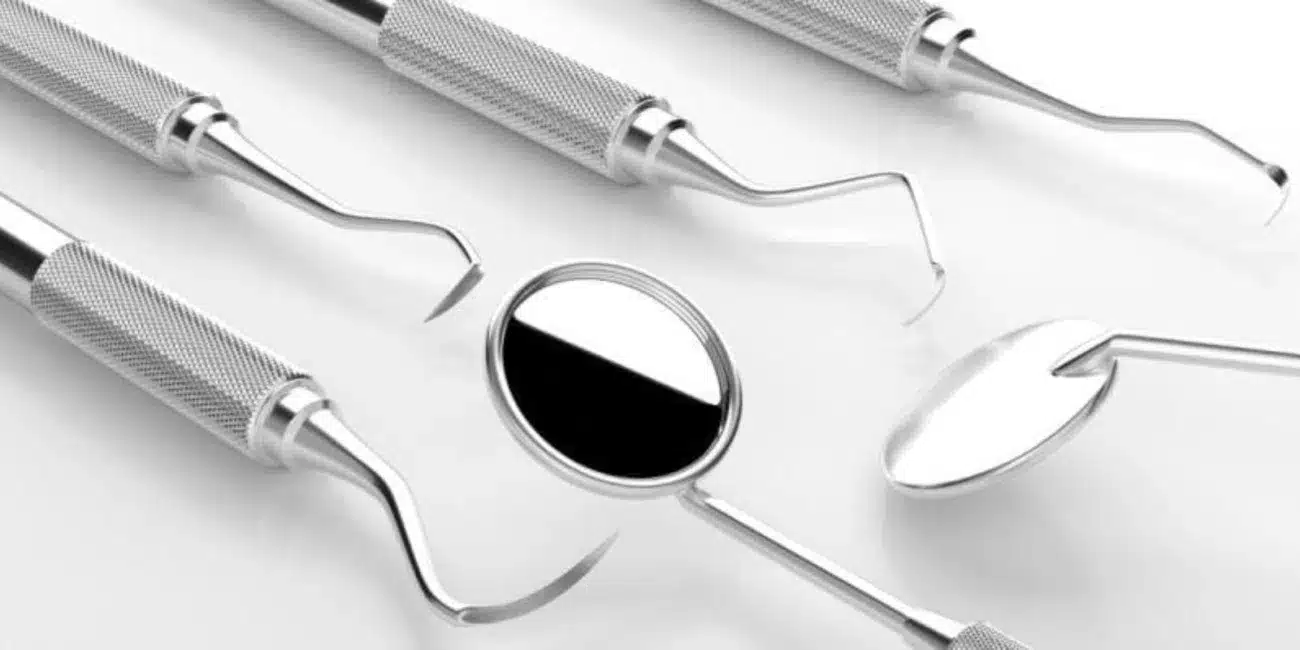
2. Importance of Dental Instruments in Operative Dentistry
Dental instruments are essential in operative dentistry for several important reasons. Each instrument is designed to perform a specific function, allowing the dentist to work efficiently and predictably.
Key Reasons Dental Instruments Are Essential:
- Enable precise removal of diseased tooth structure
- Help preserve healthy enamel and dentin
- Allow accurate placement and adaptation of restorative materials
- Improve access and visibility in difficult-to-reach areas
- Enhance patient safety and comfort
The correct selection and use of instruments directly influence the quality, durability, and success of dental restorations.
3. Accuracy and Precision in Dental Procedures
Precision is one of the most critical requirements in operative dentistry. Dental instruments are carefully designed to provide maximum control and tactile feedback.
Design Features That Support Precision:
- Ergonomically designed handles for controlled grip
- Fine, sharp working ends for detailed manipulation
- Balanced weight to reduce hand fatigue
For example, spoon excavators allow selective removal of infected dentin without damaging healthy tooth structure, while dental explorers help detect early caries and evaluate the margins of restorations. This level of accuracy cannot be achieved with fingers or non-specialized tools.
4. Conservation of Natural Tooth Structure
One of the core principles of operative dentistry is minimal intervention. The aim is to remove only diseased tissue while preserving as much healthy tooth structure as possible.
Dental instruments support this philosophy by enabling:
- Selective and controlled caries removal
- Conservative cavity designs
- Preservation of natural tooth anatomy
Hand instruments such as chisels, hatchets, and excavators provide greater control compared to aggressive rotary instruments, minimizing unnecessary tooth loss and reducing the risk of pulp damage.
5. Role of Dental Instruments in Infection Control
Infection control is a critical aspect of operative dentistry. Proper dental instruments help prevent the transmission of infectious agents between patients and dental staff.
How Dental Instruments Support Infection Control:
- Sterile instruments prevent cross-contamination
- Autoclavable and disposable instruments reduce microbial spread
- Smooth instrument surfaces allow thorough cleaning and sterilization
The use of high-quality dental instruments is essential for maintaining a safe and hygienic clinical environment.
6. Classification of Dental Instruments Used in Operative Dentistry
Dental instruments used in operative dentistry can be broadly classified according to their function.
6.1 Examination Instruments
These instruments assist in diagnosis and treatment planning.
- Mouth mirrors
- Dental explorers
- Periodontal probes
They improve visualization, help detect caries, and assess restoration margins.
6.2 Cutting Instruments
Cutting instruments are used to remove tooth structure and shape cavities.
- Hand cutting instruments (chisels, hatchets, hoes)
- Rotary cutting instruments (burs)
Hand instruments provide tactile sensation and precise control, especially in sensitive areas near the pulp.
6.3 Excavating Instruments
Excavators are used to remove carious dentin.
- Spoon excavators
- Discoid-cleoid instruments
They allow controlled removal of infected tissue while preserving healthy dentin.
6.4 Restorative Instruments
These instruments are used to place, shape, and adapt restorative materials.
- Amalgam carriers
- Condensers
- Burnishers
- Plastic filling instruments
Proper use ensures optimal adaptation, reduced voids, and long-lasting restorations.
6.5 Finishing and Polishing Instruments
Finishing instruments enhance the surface quality of restorations.
- Carvers
- Finishing burs
- Polishing discs and strips
Smooth restorations reduce plaque accumulation, improve comfort, and enhance aesthetics.
7. Patient Safety and Comfort
Dental instruments are designed to minimize patient discomfort and procedural trauma.
They help by:
- Allowing faster and more efficient procedures
- Reducing excessive force during treatment
- Providing controlled and predictable movements
Well-designed instruments shorten chair time and improve the overall patient experience.
8. Ergonomics and Operator Efficiency
Operative dentistry involves repetitive hand movements and prolonged procedures. Modern dental instruments are ergonomically designed to:
- Reduce hand, wrist, and shoulder strain
- Improve grip stability and control
- Increase procedural efficiency
This reduces the risk of occupational injuries among dental professionals and improves long-term clinical performance.
9. Role in Functional and Aesthetic Outcomes
Dental instruments play a vital role in achieving restorations that are both functional and aesthetically pleasing.
- Carvers recreate natural tooth anatomy
- Burnishers enhance surface smoothness
- Finishing instruments refine contours and margins
Proper instrumentation directly affects restoration durability, oral hygiene maintenance, and patient satisfaction.
10. Technological Advancements in Dental Instruments
Modern operative dentistry benefits from continuous advancements in instrument design.
Innovations Include:
- High-grade stainless steel and titanium alloys
- Anti-slip, lightweight handles
- Magnification- and microscope-compatible instruments
These advancements enhance precision, durability, and overall treatment outcomes.
11. Importance of Dental Instruments in Education and Training
Dental instruments are fundamental to dental education and skill development.
They help students:
- Develop tactile sensitivity
- Learn proper cavity preparation techniques
- Improve hand-eye coordination
Mastery of dental instruments is essential for achieving clinical competence and professional confidence.
12. Conclusion
Dental instruments are indispensable in operative dentistry because they enable precision, safety, efficiency, and conservation of natural tooth structure. From diagnosis and cavity preparation to restoration placement and final polishing, every stage of operative dental care relies on specialized instruments designed for specific clinical tasks.
Through the skilled use of appropriate dental instruments, dentists can deliver high-quality, long-lasting restorations while ensuring patient comfort and safety. As operative dentistry continues to evolve, dental instruments will remain the foundation of effective, ethical, and patient-centered dental practice. Visit pinterest.com.